
 Dpzhuk Znnkberin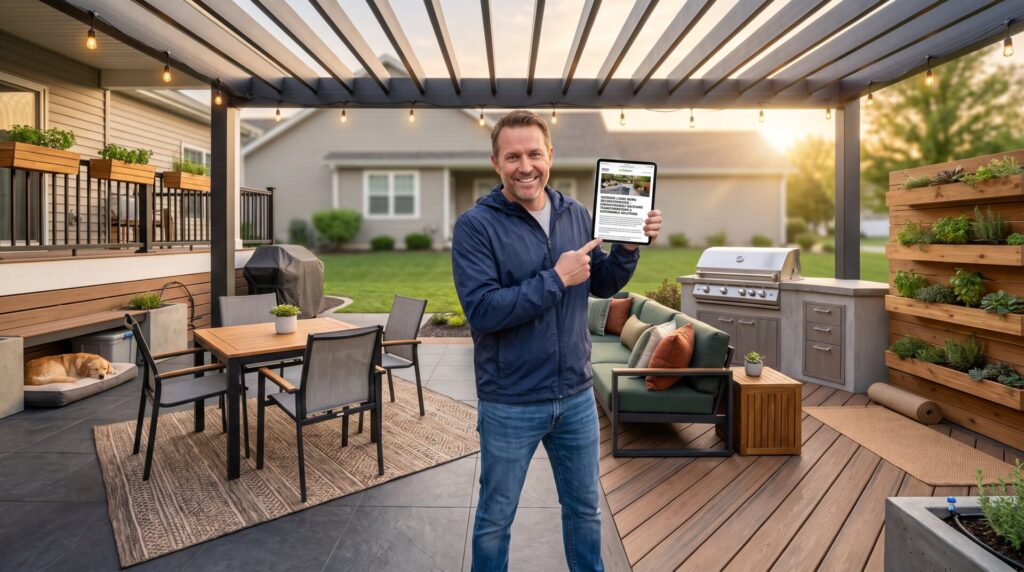
Outdoor Living News From DecoratorAdvice.com arrives with a clear message: outdoor spaces are becoming high-contrast, multi-zone, and built to last. This 2026 guide outlines what’s changing, how to plan and build smarter, and which budget-friendly moves deliver the biggest payoff. It highlights durable materials, small-space hacks, and step-by-step maintenance routines so homeowners can act with confidence.
Key Takeaways
- Outdoor living trends for 2026 emphasize high-contrast designs, multi-zone layouts, and sustainable, durable materials like powder-coated aluminum and composite decking.
- Planning outdoor spaces should start with defining the primary function, then allocating roughly 50% of the area to furniture and 3 feet for circulation to ensure comfort and ease of movement.
- Multi-zone outdoor areas—such as dining, lounging, cooking, and wellness spots—increase functionality and property appeal while supporting everyday use.
- Budget-friendly makeovers with items like stepping stones, accent lighting, and outdoor rugs can transform small patios or balconies for as little as $200 to $600.
- Maintenance routines including regular inspections, use of weather-resistant fabrics like Sunbrella, and choosing rot-resistant materials extend the life and enjoyment of outdoor living spaces.
- Front-of-home outdoor living areas such as porches and stoops are making a comeback, enhancing curb appeal and offering excellent return on investment when designed thoughtfully.
Top 2026 Trends: Design, Materials, And Sustainability
High-contrast palettes, multi-zone layouts, and sustainable choices are the dominant trends for 2026. Designers now favor deeper tones, black accents, charcoal frames, and contrast trims, replacing the neutral gray era. This shift shows up in furniture frames, pergola beams, and even matte outdoor tiles, giving yards a sharper, curated look.
Material choices matter more than ever. Homeowners choose powder-coated aluminum for lightweight, rust-free frames: composite decking for low upkeep: and teak or sealed concrete for long service life. These materials reduce repaint cycles and often extend useful life by 5–15 years compared with untreated wood in many climates. Pet-friendly finishes and easy-drain fabrics are rising because 41% of surveyed buyers list pet safety as a top factor when choosing outdoor surfaces.
Weatherproof lighting, speakers and irrigation controls provide outdoor examples for DecoratorAdvice coverage of connected-home technology. Designers recommend allocating furniture to about 50% of the footprint and leaving roughly 3 feet for circulation paths to keep movement easy and comfortable.
Front-of-home outdoor living is also returning. Stoops and porches are used daily again, boosting curb appeal and measured ROI when staged correctly.
Sustainability threads through every choice: longer-lived materials, reduced maintenance, and designs that let homeowners replace parts instead of full systems. Industry coverage on 2026 garden trends supports these points with examples of compact layered outdoor rooms and durable finishes. The move toward durable, low-maintenance solutions helps families reduce recurring costs and enjoy outdoor time more often.
Links: The DecoratorAdvice ultimate guide explains how multi-zone plans translate to daily use. For regional case studies, the site’s Florida outdoor living trend shows front-porch transformation. External reporting on garden trends also supports the compact-room shift and layered spaces in 2026.
Step-By-Step Guides For Planning, Building, And Maintaining Outdoor Spaces
Function and layout come first in kitchen and bath inspiration with technical limits. Plumbing, electrical and structural decisions still require qualified guidance. That single fact directs layout, materials, and budget. Planning means measuring, defining functions, and planning circulation.
Planning: Measure the usable area and sketch zones. The rule of thumb used by experts is to let furniture occupy about half of the surface and leave 3 feet for walkways. For example, on a 12-by-14-foot patio, set the dining area on a 6-by-8-foot zone and keep 3 feet clear for flow. Use the DecoratorAdvice cozy entertaining guide for specific furniture layouts that prioritize comfort and traffic.
Building: Create zones using rugs, lighting, and levels. Solid bases for paths reduce future weeds: options include compacted gravel with stepping stones or partially buried pavers with edged borders. For practical, low-cost pathways and edging techniques, reference the site’s decoradyard tips which give stepwise approaches for laying paths and planting beds.
Maintenance: Use furniture covers, stackable storage bins, or an outdoor storage shed to keep tools, cushions, and seasonal items protected from the elements. Choose durable outdoor fabrics rated for UV and mildew. Replace mulch or gravel every 2–3 years, and inspect weed barriers annually. When cushions begin to fade, opt for weather-resistant fabric and increase shade with an umbrella or sail.
Practical warning: mixing untreated wood near damp soil accelerates rot. Choose sealed or composite materials for ground-contact zones. The DecoratorAdvice visual clutter article explains how decluttering simplifies maintenance and extends the perceived life of furnishings.
Budget-Friendly Makeovers, Small-Space Solutions, And DIY Projects
A quick fact: small investments can change perception dramatically. For about $200–$600, homeowners can add stepping stones, an outdoor rug, accent lighting, and a painted focal wall to transform a tiny patio.
Low-cost upgrades: Gravel, mulch, stepping stones, and string or solar accent lights offer immediate impact for modest budgets. A 10-by-10-foot balcony needs only a $120 outdoor rug, $60 fairy lights, and $80 in potted plants to feel intentional. For concrete examples and step-by-step lists, the DecoratorAdvice decoradhouse garden tips lays out specific, low-cost actions that save time and money.
Small-space solutions: Vertical planters, tiered boxes, compact seating, and mirrors that reflect depth are proven tactics. On an upstairs balcony, a trio of 18-inch potted trees creates canopy and privacy without heavy planting. The site’s outdoor summer decor guide shows small-scale layouts that maximize light and airflow while keeping furniture compact.
DIY projects with measurable results work best: repainting metal frames with powder-coat spray can extend life by several years: re-cushioning seat pads saves the cost of new chairs: and a dollar-store planter tower can support 12 herbs in under two hours. A common vulnerability: homeowners underestimate time. A simple path can take one weekend but often expands to two when edging and soil prep are added.
Privacy and screening are inexpensive wins. The DecoratorAdvice privacy article details fencing and screen options and shows how a $350 screen system can turn a balcony into a restful nook. Practical caution: choose rot-resistant materials for base rails or the screen will need replacement sooner than expected.
Conclusion
DecoratorAdvice’s 2026 outdoor living coverage centers on durable, multi-functional, and sustainably chosen spaces that fit budgets and small footprints. Durability and careful planning run through DecoratorAdvice ideas connecting rooms, gardens and practical projects, both indoors and out.

 Abbukkhar Kangharnnia


 Avedyn Phytes



 Gary Cripps
