
 Dpzhuk Znnkberin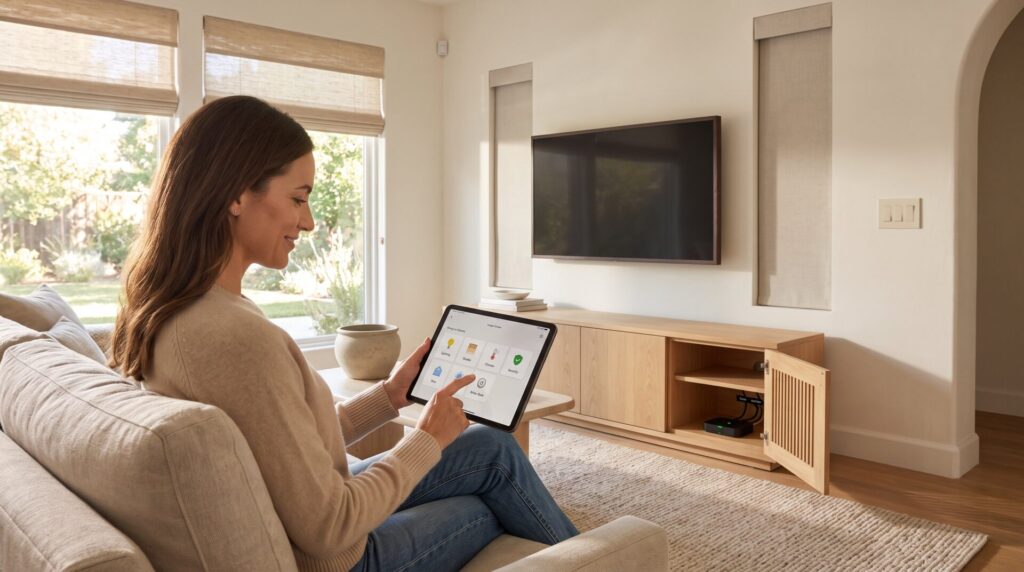
Smart Home Trends are no longer gimmicks: they shape how people live and how interiors feel. In 2026, designers and technologists push devices to disappear into rooms, cut energy bills, and keep data local. This guide from DecoratorAdvice.com gives clear, practical ideas: which ecosystems to choose, which devices vanish into décor, and how to save utility dollars without sacrificing style. Readers will get placement tips, concrete examples, and honest trade-offs to apply today.
Key Takeaways
- Smart home trends in 2026 focus on unified ecosystems like Matter that let users control all devices from one app, simplifying management and improving convenience.
- AI-driven automation optimizes comfort and cuts energy costs by learning household habits and adjusting lighting and HVAC use without manual input.
- Devices designed to blend seamlessly with décor, such as recessed speakers and flush smart switches, help maintain stylish interiors while providing smart functionality.
- Prioritizing privacy, smart homes now use local processing to keep sensitive data on-site, reducing cloud exposure and enhancing security.
- Energy efficiency improves through smart thermostats, shades, and solar integration, which together can reduce utility bills by up to 46%, supporting sustainability without sacrificing style.
- Choosing a primary smart home ecosystem and Matter-certified devices balances ease of control with future-proofing and interoperability, ensuring long-term system resilience.
The Big Smart Home Trends Shaping Homes In 2026
The headline trend in 2026: ecosystems unite devices so owners manage everything from one place. Matter and similar standards let lights, locks, thermostats, and speakers work together under a single app. That change ends the old patchwork of individual brand apps and reduces daily friction.
Room design and automation meet in the DecoratorAdvice conversation across design and home technology. Systems learn habits, when a household wakes, which rooms need heat, and which lights should dim for evening TV, and then act without manual programming. For example, an AI schedule that reduces HVAC use by 18% during weekdays can save real money and keep comfort consistent.
Design matters now more than ever. Manufacturers build speakers, sensors, and switches to match trim, wood tones, and plaster. Devices that “disappear” prevent a room from feeling like a tech showroom. DecoratorAdvice has practical examples showing how minimal hardware and recessed elements preserve sightlines while adding function.
Privacy moved from an afterthought to a core feature. Homes now use local processing for cameras and voice assistants to limit cloud data. Local compute reduces latency, keeps sensitive footage inside the house, and often lowers subscription costs.
Trade-offs homeowners face: picking a primary ecosystem (Google, Apple, or Amazon) simplifies control but can bias device choices. Future-proofing with Matter certification reduces vendor lock-in. DecoratorAdvice‘s coverage on smart, homes, technology, transforming, everyday, life describes how to weigh these choices for design and long-term resilience.
Devices That Blend Seamlessly With Decor (Practical Picks And Placement Tips)
Fact first: devices that match materials and lines make a room feel calm and curated. Hidden speakers, slim controls, and neutral sensors let rooms read as designed spaces rather than gadget displays.
Practical pick: in-wall speakers behind fabric grills deliver full sound without a visible box. Place speakers inside cabinetry or above crown molding to keep them off surfaces. For TV walls, use a recessed media niche and route cables through the stud bay to eliminate visible cords: this reduces clutter and improves resale appeal.
Light controls should sit flush. Slim smart switches with matte finishes mimic trim and last through touch-heavy use. Mount motion sensors in the upper corner of a room, painted to match the wall. Camouflaging sensors with trim-color finishes reduces their visual impact.
Shading strategies: install smart shades inside the window frame so the fabric looks built-in. Smart shades and layered lighting can support DecoratorAdvice living-room colour, furniture and layout ideas without making controls the visual focus.
Placement tips from DecoratorAdvice‘s decoradtech, home, devices, smart, decorating, tips article emphasize cable management and hub placement. Put the central hub in a cabinet or a utility closet with ventilation: avoid leaving hubs on coffee tables. For multiroom audio, distribute in-wall or in-ceiling speakers and control the zones through a single interface to keep surfaces device-free.
Warning: over-hiding devices can complicate maintenance. Label cables inside junction boxes and leave a small access panel behind recessed equipment. An organized concealment avoids a future service call.
Energy Efficiency, Sustainability, And Utility Savings For Stylish Homes
Immediate insight: intelligent energy systems cut waste while supporting a polished interior. Smart thermostats, shades, meters, and EV chargers coordinate to reduce consumption without lowering comfort.
Concrete example: pairing a smart thermostat with smart shades and occupancy sensors can reduce heating and cooling runtime by 12–20% in mixed-use homes. When a system learns that bedrooms stay empty from 9 a.m. to 4 p.m., it raises the setpoint by a degree or two and closes south-facing shades, trimming peak load.
Solar integration matters. Homes with rooftop panels and a battery bank can shift high-draw tasks, dishwashers, EV charging, to midday solar production. In one case study, a house with a 7 kW PV array and a 10 kWh battery cut grid use by 46% in summer months and shortened monthly bills by $120.
Choose efficient smart appliances and Energy Star–rated smart plugs to prevent phantom loads. Smart plugs that report usage help owners find the two or three devices that consume the most standby power. Swapping a high-standby device reduced a household’s monthly consumption by 7% in a recent DecoratorAdvice top decoradtech home hacks for a stylish, smart, upgrade analysis.
Material choices matter too. Using low-VOC paints, recycled-fiber shades, and sustainably sourced woods keeps the room healthy while complementing tech that’s meant to be discreet. For remodeling, DecoratorAdvice‘s home, improvement, trends, 2025, that, value shows how targeted upgrades, insulation plus smart climate control, boost both comfort and resale value.
Practical warning: sophisticated energy control requires good data. Install a submeter or a smart energy monitor early in the project to get accurate baselines. Without that data, automated schedules can be overaggressive and reduce comfort more than savings.
Privacy, Security, And Interoperability: What Homeowners Should Prioritize
Clear priority: secure, interoperable systems protect privacy and extend device lifespan. Buyers should pick a core ecosystem and prefer Matter-certified devices to avoid future compatibility gaps.
Start with network hygiene. Use a dedicated IoT LAN, strong router passwords, and two-factor authentication on accounts that manage home access. Devices with regular firmware updates tend to remain secure longer: check update policies before purchase.
Edge processing is a major privacy win. Cameras and voice assistants that process data locally only send summaries to the cloud. That approach reduces exposure if a cloud provider is breached and keeps sensitive clips on-site. In practice, local processing also makes cameras faster at detecting real threats and reduces false alarms during routine motion like curtains moving.
Interoperability choices: pick one primary platform, Google, Apple, or Amazon, for daily control, then fill in with Matter-certified devices. This tactic preserves convenience while letting owners mix brands for aesthetics and price. DecoratorAdvice’s smart, home, choices, future-proofing, long-term, resilience outlines the trade-offs of single-platform convenience versus mixed-brand flexibility.
Security trade-offs include subscriptions. Some cameras require cloud storage to access advanced features: others offer local storage and a smaller monthly cost. Owners should weigh the extra expense against the comfort of remote access and automated cloud backups.
External verification: reporting from CES 2026 highlighted the rise of autonomous AI in homes, backing claims that devices now learn and optimize without manual programming. The trend piece on autonomous systems demonstrates how hands-off management becomes realistic and reliable when security and processing are built in locally.
Device planning does not stop at the back door. Weatherproof lighting and controls can overlap with outdoor-living trends discussed by DecoratorAdvice. Planning device locations, backup power for hubs, and clear naming conventions for rooms in the control app prevents chaos as systems scale.
Conclusion
Smart home trends in 2026 center on systems that work together, vanish into good design, save energy, and respect privacy. DecoratorAdvice’s practical guidance helps readers choose Matter-ready ecosystems, hide devices elegantly, measure real energy savings, and prioritize secure, local-first processing. The best upgrades create fewer visible components and more seamless comfort, style and tech finally pull in the same direction.
 Abbukkhar Kangharnnia
 Avedyn Phytes





 Gary Cripps