Nophyn Tesil
The layout of a bingo hall plays a crucial role in shaping the overall experience for players. While many people may focus on the game itself, the physical environment can significantly affect comfort, social interaction, and gameplay efficiency. A thoughtfully designed bingo hall enhances the enjoyment of the game, encourages community engagement, and ensures that operations run smoothly for both staff and players.
Creating an Inviting Atmosphere
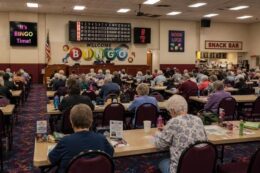
The first consideration in any bingo hall layout is creating an inviting atmosphere. Comfortable seating, well lit areas, and clear sightlines to number displays and caller stages contribute to a welcoming environment. Spacious seating arrangements allow players to move freely without disturbing others, while accessible walkways ensure that everyone, including those with mobility challenges, can navigate the hall safely.
The use of colours, lighting, and decor can also influence the mood of the room. Warm tones and ambient lighting create a relaxed, friendly setting, while clear, bright displays ensure that players can easily follow the game. In many halls, the layout integrates themed sections or decorative touches to enhance visual interest, which helps create a memorable and engaging experience.
Maximising Visibility and Accessibility
Visibility is a key factor in bingo hall design. Players need an unobstructed view of number displays, screens, or call sheets to follow the game accurately. Elevated stages for the caller, large display boards, and digital screens strategically placed throughout the hall ensure that everyone can participate fully.
Accessibility is equally important. Well placed entrances and exits, ramps for wheelchair access, and ample space between tables allow all players to enjoy the game comfortably. A thoughtful layout reduces congestion during high attendance events and promotes a smooth flow of movement throughout the venue.
Encouraging Social Interaction
Bingo has long been celebrated as a social game. The layout of the hall can enhance this aspect by arranging tables and seating in a way that encourages conversation and community building. Grouped seating allows friends and families to sit together, while communal areas or refreshment zones give players opportunities to socialise between rounds.
Incorporating spaces for casual interaction helps replicate the sense of camaraderie found in traditional bingo halls, which is one of the reasons the game remains popular. Designers often consider how the positioning of tables, stages, and amenities can foster engagement while maintaining enough space for personal comfort.
Supporting Efficient Operations
A planned layout benefits not only players but also staff and operational efficiency. Clear pathways, service points for refreshments, and designated areas for ticket sales or prize collection streamline the flow of activities. Staff can monitor the hall effectively, respond to player needs quickly, and manage large crowds during busy sessions.
Additionally, the layout can be optimised to accommodate technology such as electronic number displays, automated card readers, and digital announcement systems. This integration enhances the player experience without disrupting the social and interactive nature of the game.
Safety and Comfort Considerations
Safety and comfort are essential in any bingo hall design. Seating should be ergonomic for long periods of play, and tables should provide enough space for cards, drinks, and personal items. Fire exits clearly marked pathways, and appropriate lighting ensure that safety standards are met without compromising the hall’s atmosphere.
Climate control, ventilation, and noise management also contribute to a comfortable environment. Proper acoustics prevent excessive noise from interfering with gameplay, while air circulation ensures a pleasant experience for all attendees.
The Role of Themed and Modern Designs
Modern bingo halls often incorporate themes or interactive design elements to enhance the experience. From subtle decorative touches to fully themed rooms, these design choices make the hall more engaging and visually appealing. Themed areas can also provide branding opportunities for venues while offering players a unique environment that complements the game.
The layout of a bingo hall is far more than a matter of aesthetics. It directly influences player comfort, social interaction, and the smooth operation of games. Thoughtful design enhances visibility, accessibility, and engagement while supporting staff efficiency and safety. By carefully considering seating arrangements, pathways, technology integration, and thematic elements, bingo halls can provide a welcoming and enjoyable environment that keeps players returning for a memorable experience.

 Abbukkhar Kangharnnia
 Avedyn Phytes