Nophyn Tesil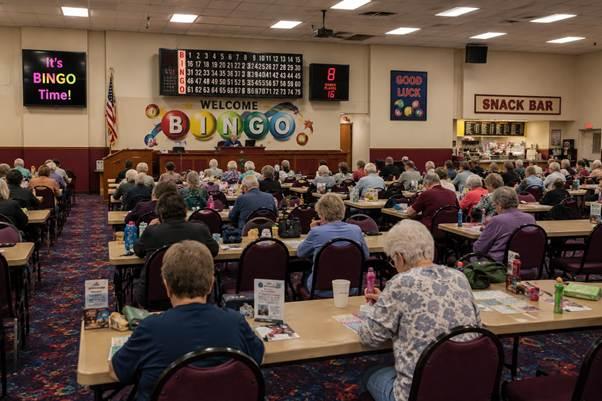
Bingo halls have always been more than just places to play a game. They are social spaces where atmosphere, comfort, and familiarity all play a crucial role in shaping the overall experience. While the rules of bingo remain relatively simple, the environment in which the game is played can significantly influence how enjoyable, welcoming, and memorable a session feels. Good design turns a functional venue into a destination that players want to return to regularly.
From layout and lighting to seating and sound, every design choice within a bingo hall serves a purpose. When done thoughtfully, design enhances the core values of bingo: community, ease, and shared enjoyment.
Design Shapes the Bingo Experience
A well‑designed bingo hall supports how people actually play bingo. Unlike fast‑paced entertainment venues, bingo halls need to balance focus and relaxation while encouraging social interaction. Poor design can lead to distraction, discomfort, or confusion, whereas effective design puts players at ease the moment they walk in.
Design influences how players:
- Feel when entering the hall
- Move through the space
- Interact with others
- Stay comfortable during long sessions
The environment sets the tone before the first number is even called.
Clear Layout Supports Ease of Play
One of the most important design factors in a bingo hall is layout. Players should be able to find seating, facilities, and staff assistance easily without disrupting gameplay.
An effective layout includes:
- Clearly defined seating areas
- Easy access to entrances and exits
- Unobstructed views of screens and callers
- Logical placement of amenities
A clean, intuitive layout reduces stress and allows players to focus on the game and social elements rather than navigating the space.
Comfortable Seating Encourages Longer Visits
Bingo sessions often last for extended periods, making seating comfort essential. Chairs that offer adequate support and spacing help players relax and enjoy the experience without physical discomfort.
Good seating design considers:
- Ergonomic support
- Adequate personal space
- Easy access between rows
- Clear sightlines
Comfort directly impacts how long players choose to stay and how often they return.
Lighting Sets Mood Without Distraction
Lighting plays a subtle but powerful role in bingo hall design. The goal is to provide sufficient brightness for reading cards and screens without creating glare or eye strain.
Effective lighting design:
- Keeps the room evenly lit
- Avoids harsh overhead glare
- Highlights calling areas and screens
- Creates a warm, welcoming atmosphere
Balanced lighting helps maintain focus while preserving a relaxed mood.
Acoustic Design Matters More Than People Realise
Sound is central to bingo. Numbers must be heard clearly, and communication should feel effortless. Poor acoustics can make games frustrating, especially in busy halls.
Strong acoustic design includes:
- Clear speaker placement
- Controlled echo and background noise
- Comfortable sound levels
Good sound design ensures that players never miss a call while still being able to chat socially.
Design Encourages Social Interaction
Social connection is a core reason people enjoy bingo. The physical environment should make interaction easy and comfortable without overwhelming players.
Social‑friendly design features might include:
- Tables arranged to support conversation
- Communal areas for breaks
- Clearly defined chat‑friendly zones
Design that supports social interaction reinforces bingo’s communal appeal.
Colour and Décor Influence Emotional Comfort
Interior décor plays a key role in how relaxed and engaged players feel. Colours that are too bold or busy can be distracting, while overly plain designs may feel unwelcoming.
Effective décor choices:
- Use calming, neutral tones with highlights
- Reflect warmth rather than intensity
- Avoid cluttered visual elements
A visually balanced space helps players feel at home.
Accessibility and Inclusivity Through Design
Good bingo hall design ensures that everyone feels welcome. Accessibility considerations are essential for creating inclusive environments.
Design elements that support inclusion include:
- Clear signage
- Wide, unobstructed walkways
- Accessible seating options
- Easy‑to‑use ticket or card areas
Inclusive design demonstrates respect for all players and enhances overall experience quality.
Flow and Movement Reduce Disruption
Design affects how people move within a bingo hall. Poorly planned circulation can lead to unnecessary interruptions during games.
Effective flow design:
- Minimises cross‑traffic during sessions
- Separates service areas from play areas
- Supports smooth entry and exit
This keeps gameplay uninterrupted and enjoyable.
Design Builds Familiarity and Routine
Many bingo players value routine. A consistent, recognisable environment helps create a sense of comfort and belonging.
Design contributes to this by:
- Maintaining consistent layouts
- Using familiar visual cues
- Avoiding unnecessary reconfiguration
Consistency helps players feel confident and relaxed.
Modern Design Reflects Contemporary Expectations
While tradition matters, bingo halls also need to feel current. Modern design signals that a venue is well‑maintained and responsive to changing expectations.
Modern touches might include:
- Digital screens integrated seamlessly
- Clean, updated furnishings
- Contemporary colour accents
These elements help keep bingo relevant without losing its classic charm.
Why Design Impacts Long‑Term Loyalty
A well‑designed bingo hall does more than look good—it encourages loyalty. Players who feel comfortable, welcomed, and supported are more likely to return regularly.
Good design:
- Enhances enjoyment
- Reduces fatigue
- Encourages social bonds
- Builds trust and familiarity
Over time, the environment becomes part of the bingo experience itself.
Design is fundamental to the success of a bingo hall because it shapes how players feel, interact, and engage throughout their visit. From layout and seating to lighting, sound, and décor, every design choice plays a role in supporting the relaxed, social nature of bingo. A thoughtfully designed hall enhances comfort, clarity, and community—ensuring that bingo remains not just a game, but an enjoyable and welcoming experience people want to return to again and again.

 Avedyn Phytes
 Abbukkhar Kangharnnia
 Gary Cripps
 Dpzhuk Znnkberin