The Return of Warm Metals: How Antique Brass Shapes Characterful Interiors and Entryways
 Nophyn Tesil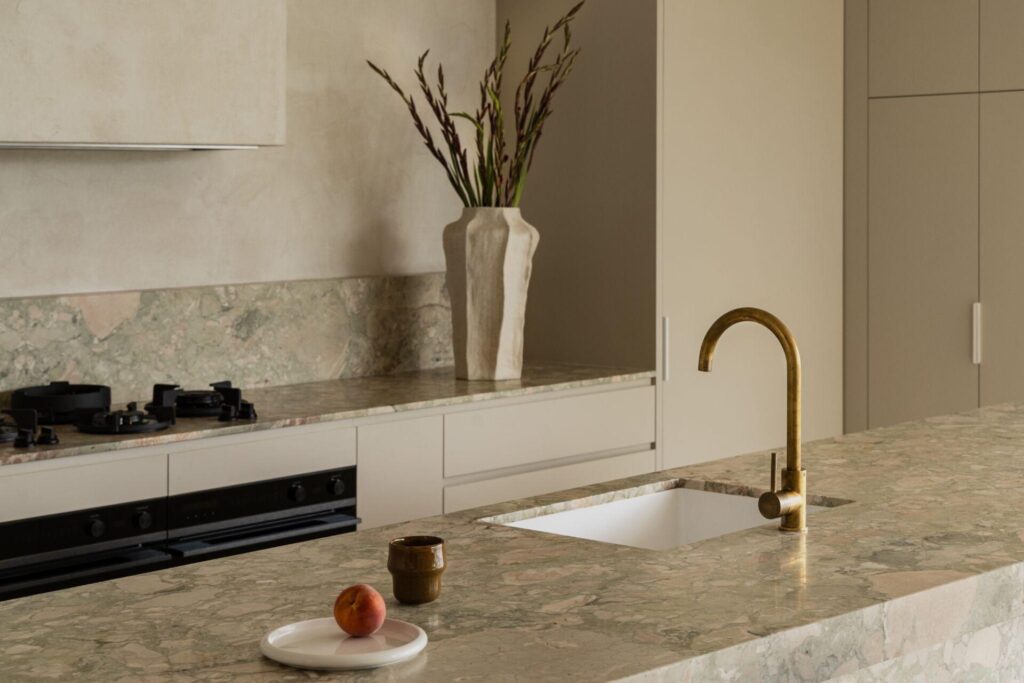
For years, cool-toned metals dominated interior spaces. Chrome, brushed nickel, and matte black became the default for hardware and fixtures. Clean, restrained, and easy to pair with the grey-on-white palettes that defined much of the period.
That preference is shifting. Interiors are moving toward materials that feel warmer, more tactile, and less uniform. Surfaces carry more texture, colour palettes are softer, and there is a growing interest in finishes that age rather than remain static. Antique brass sits within this shift.
Why Antique Brass Feels Different
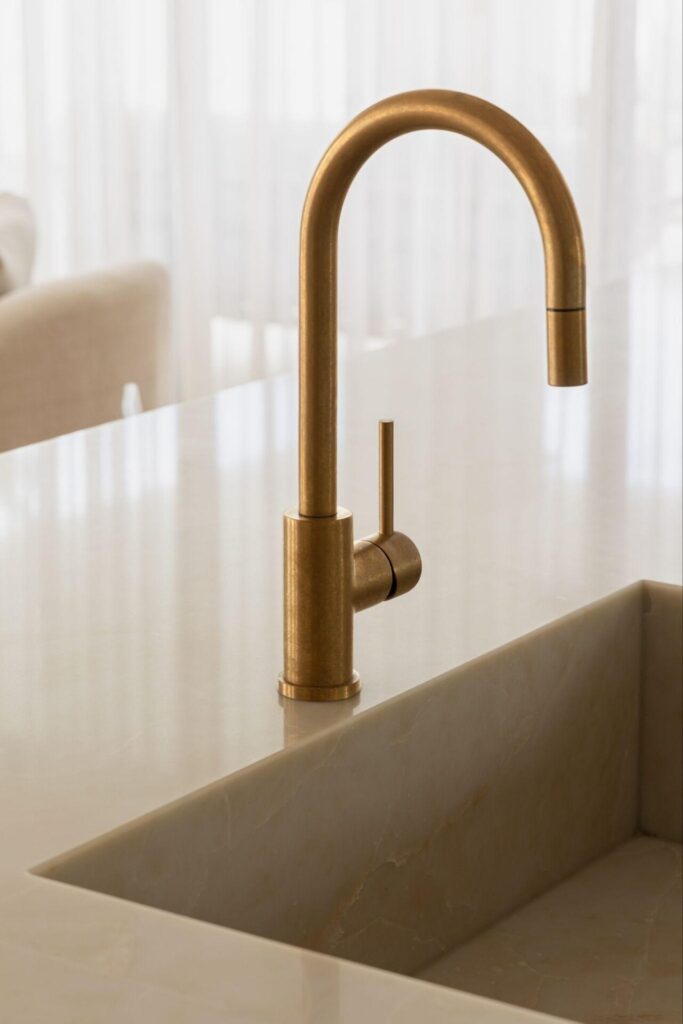
While polished brass can feel flashy, and chrome reads as functional and conventional, antique brass occupies a distinct space. Its tone is muted and complex, somewhere between gold and bronze, with a surface that carries subtle variation rather than uniform shine. Unlike standard brushed brass, which has a clean, uniform finish, antique brass has a warmer, more textured appearance with a lived-in quality that adds depth to any space.
What sets it apart is how it’s made and how it changes. Quality antique brass undergoes a tumbling process that produces a distinctive, organic surface rather than a manufactured-looking coating. And over time, the natural patina continues to develop, gradually deepening in tone depending on its environment and use. It’s a material that evolves with your home rather than fighting against it. That character is what makes it feel less like a trend and more like a return to something lasting.
Entryways as a Design Statement
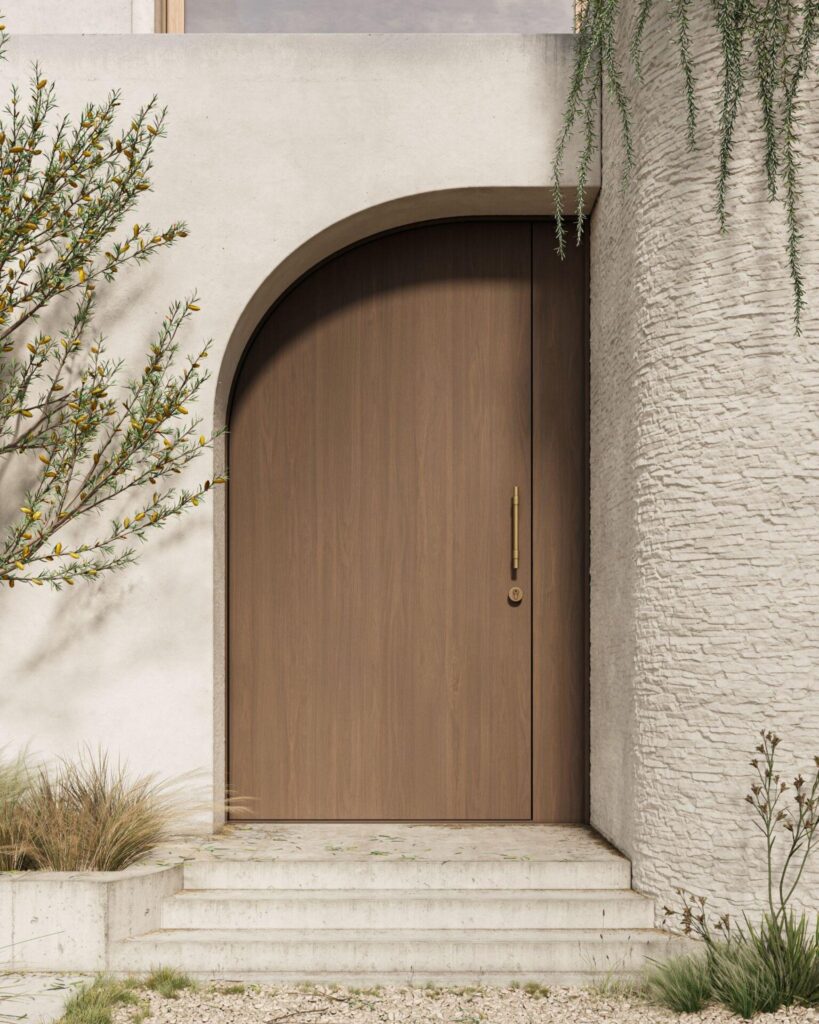
The front door is the first design decision a visitor encounters and one of the most overlooked. We invest in paint colours, landscaping, and lighting, but hardware often gets unfairly neglected. Carefully selected door handles, pull handles, and house numbers can strengthen your curb appeal, setting the tone before anyone steps inside. When those elements are considered, they create a sense of intention that carries through the rest of the home.
Elements such as antique brass door hardware can quietly establish a sense of continuity from the exterior into the home’s interior palette. A brass handle on the front door that echoes the tapware or cabinetry pulls in the kitchen brings a sense of cohesion, making separate rooms feel like one home.
Pairing Antique Brass with Materials
One of the reasons antique brass works across so many styles is its aesthetic versatility. Against hard, cool surfaces like polished concrete or natural stone benchtops, it introduces warmth without competing, softening architectural edges and adding a layer of refinement.
Alongside timber, the combination feels equally natural. The warmth of wood grain, paired with the distinctive, organic finish of aged brass, creates interiors that feel grounded and considered, especially in cabinetry, where brass handles against oak or walnut joinery become a quiet focal point. It also pairs beautifully with painted finishes. Creams and taupes feel classic, while deep greens and navy blues bring out the golden undertone.
Where It Works Beyond the Entry
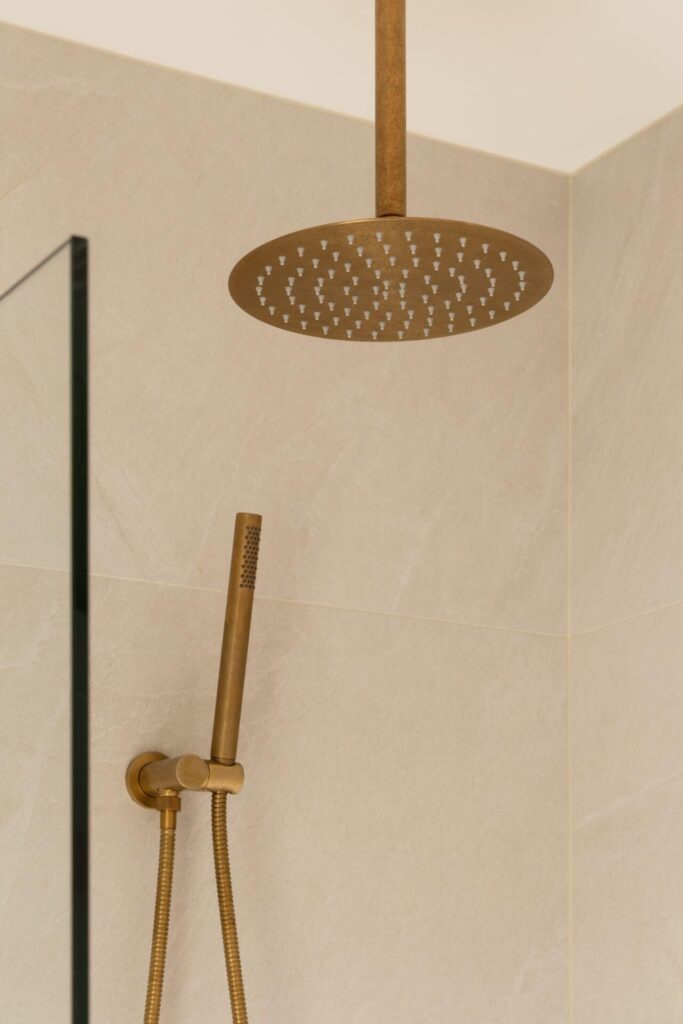
While entryways are the natural starting point, antique brass has applications throughout the home. Internal door handles and hinges can carry the material language from room to room. Cabinetry knobs and pulls bring warmth into kitchens and bathrooms. Transitional spaces like hallways and mudrooms benefit from the sense of continuity that a consistent hardware finish provides. Outdoor applications work too. Gate latches, secondary entrance handles, and even house numbers in antique brass help connect the exterior of a home to its interior material palette.
Creating Cohesion Across the Home
Material cohesion does not require uniform application. Most interiors rely on a dominant finish supported by variation in secondary elements. Antique brass may lead in hardware, while lighting or decorative fittings introduce complementary warm tones. Repeating the finish across key touchpoints, such as door hardware, cabinetry, and tapware, helps create a sense of continuity between spaces.
The goal is consistency without rigidity, enough cohesion to feel intentional, without every element matching.
Longevity and Material Integrity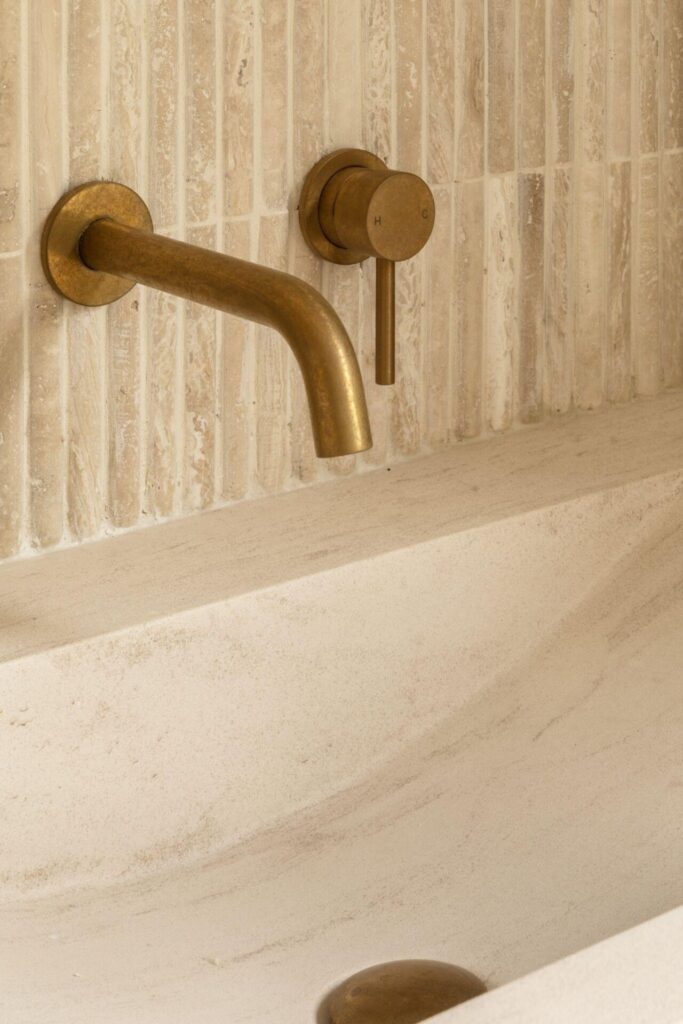
Part of the appeal of antique brass is its compelling longevity. Unlike trend-driven finishes that look dated within a few years, brass ages gracefully. The patina it develops over time isn’t a flaw, it’s a feature, one that makes the material more interesting the longer it’s in place.
There’s a sustainability argument here too. Choosing materials that last, and don’t need replacing when tastes shift, is one of the simplest ways to design more responsibly. Brass is durable and inherently long-lasting, which makes it a sound investment beyond its aesthetic appeal.
The most memorable homes aren’t defined by one grand gesture, they’re shaped by the accumulation of small, considered decisions: a handle that catches the afternoon light, a material that connects the front door to the kitchen, and a finish that looks better with every passing year. Antique brass is not a statement piece but quietly gives a home its sense of character.

 Abbukkhar Kangharnnia

 Avedyn Phytes