
 Avedyn Phytes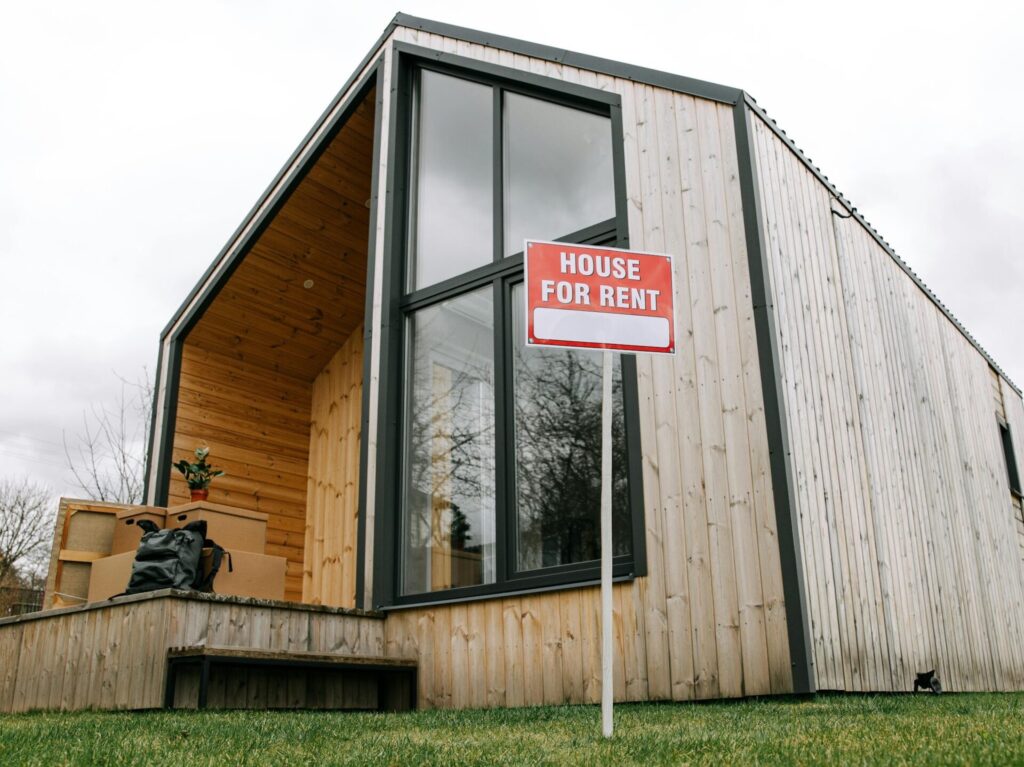
Thinking about turning your home into a rental? Before you start ripping out walls or picking out new tile, there are a few things you should know so you can renovate wisely, attract good tenants and handle your taxes without getting lost in the details.
There’s something really satisfying about giving a space a new look; new floors, fresh paint and better lighting. But if you’re renovating because you want to rent out your place, it’s a different ballgame. It’s not just about what you like anymore. Now it’s about what works for someone else.
A lot of homeowners are looking to convert primary residence to rental for extra income these days, especially since having more options matters a lot right now. Whether you’re planning on converting your home to a rental property, or just testing the waters, the choices you make now will shape your rental income and your finances for years down the road.
So, before you start ordering paint samples or planning to tear out half the house, let’s talk about what actually makes a rental more valuable, and what you really need to know about the money side, especially taxes and depreciation.
Renovations that actually add rental value
It’s easy to go overboard with fancy finishes or chasing trends during rental property conversion. But renters tend to care more about the basics than anything flashy. Focus on kitchens and bathrooms first. They’re still the big draw for tenants. You don’t need to go all out with marble, but clean, modern surfaces matter. Quartz works better than laminate, and classic subway tile beats whatever trendy pattern might look dated next year.
Flooring counts, too. Go for something durable like luxury vinyl plank or hardwood alternatives. They’re better than carpet for high-traffic spots, are easier to clean and hold up longer. Lighting doesn’t get enough credit, but just swapping out fixtures can take a place from dim and dreary to warm and inviting. Renters definitely notice.
Don’t forget storage. Most people underestimate how much it matters. Adding shelves or making closets roomier can make a small space feel a lot more livable. And curb appeal? Don’t skip it. First impressions are huge, even for rentals. Atidy yard, a fresh coat of paint and some low-maintenance landscaping will get your place noticed before anyone even steps inside.
Designing for durability, not just style
Fixing up your own home, you probably focus on style. But as a rental, durability needs attention, too. Choose materials that can take some punishment. Matte finishes hide scuffs better than shiny ones.
Neutrals are easier to touch up. Install sturdy fixtures, not the cheapest options you can find. It’s not about making things boring. It’s about making them last.
Easy rule: If you look at something and already think you’ll have to replace it soon, you’re probably right, and all those replacements eat into your profit.
The financial pivot and what happens when it becomes a rental
Here’s where things get a little more interesting. When your home officially becomes a rental, you get access to home renovation tax benefits most folks don’t understand. Depreciation on rental property is the big one.
Depreciation just means you’re allowed to write off part of your property’s value every single year. For residential rentals, you spread out the cost of the building over 27.5 years. Every year, you get to deduct a portion, which lowers your taxable income.
But here’s what people often miss: Not everything you fix or improve has to follow that slow 27.5-year rule.
Breaking it down as not all renovations are created equally
Some of your upgrades, like appliances, flooring, lighting and even certain cabinets, can qualify for much shorter depreciation periods. That’s really good news.
Some improvements can be written off way faster, not over decades. That’s called accelerated depreciation for real estate, and it gives you a tax break much sooner.
And with 100% bonus depreciation back on the table, thanks to new laws, a lot of those short-lived improvements can be written off in the first year. That’s a serious cash flow boost.
Where cost segregation comes into play
This is where companies like R.E. Cost Seg comes in. They’re experts at cost segregation studies. They basically break your property down into all its parts and figure out which ones you can depreciate quicker. If you’re making your home a rental, hiring them can be a game changer.
They work directly with homeowners and investors to help cut tax bills by classifying assets more effectively. Instead of treating your property as one lump, they pick out the pieces you can write off sooner.
A simple example, because this stuff can get abstract
Say you spend $100,000 on renovations before you put your home up for rent. If you skip cost segregation, that whole amount gets written off slowly, over 27.5 years. That’s about $3,600 a year. Running the numbers through a cost segregation calculator can give you a quick estimate of how much might qualify for faster write-offs before committing to a full study.
But if a cost segregation study finds $30,000 of short-term items, you can write those off in year one, thanks to 100% bonus depreciation. The remaining $70,000 sticks with the slower schedule.
So now your first-year deduction jumps from $3,600 to something much higher. Of course, it all depends on your property and renovations, but you see the point, timing is everything.
Balancing design choices with financial strategy
This is really where design decisions meet financial planning. High-end finishes could attract better tenants, sure, but they also might affect how you can depreciate things. Same goes for how you plan out each part of your renovation.
This doesn’t mean your renovation should only be about taxes. But knowing the tax impact of every choice you make helps you be more deliberate and smarter.

 Abbukkhar Kangharnnia






 Gary Cripps

