Abbukkhar Kangharnnia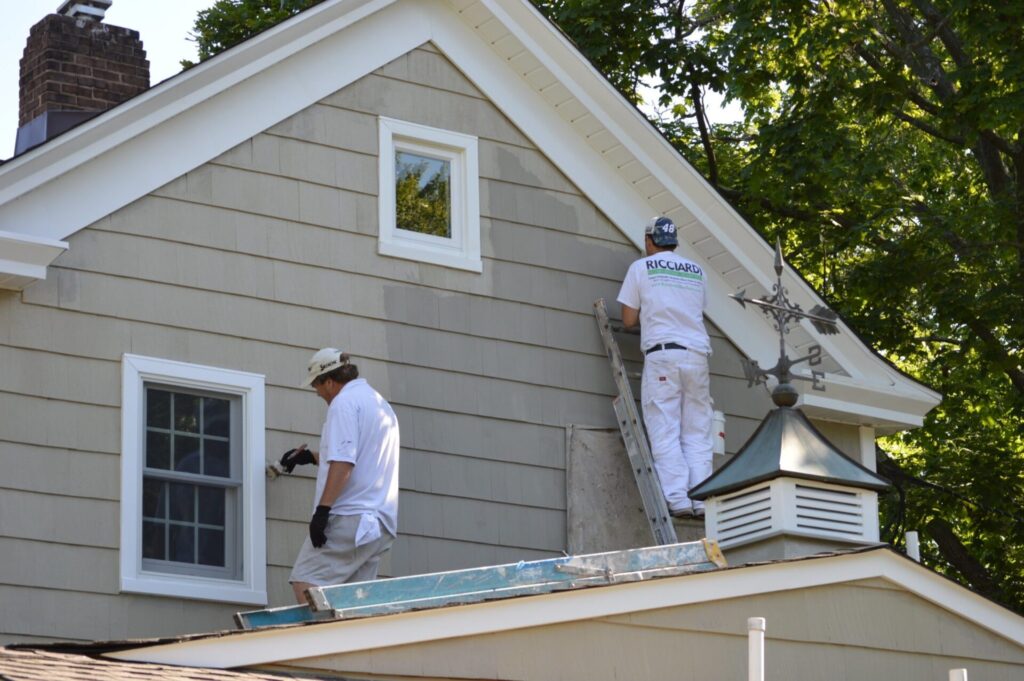
Most homeowners only deal with exterior painters once every ten years or so. That gap makes it easy to forget what to look for, or to never know in the first place.
The result? A lot of paint jobs that look fine in October and start peeling by March. Bubbling around window frames. Fascia boards that were never properly prepped. Colour choices that made perfect sense on a small chip and felt completely wrong once they covered an entire wall.
None of these outcomes is inevitable. They almost always trace back to the same handful of mistakes – rushing the hiring process, skimping on prep, or choosing paint without understanding what the job actually needs.
This guide covers what actually matters when painting the outside of a home: from prep work and paint selection to vetting contractors and knowing what to check before the crew packs up and leaves.
Why Exterior Painters Work Under Different Conditions Than You Might Expect
Painting the outside of a house is a different discipline from interior work. The variables are harder to control, and the margin for error is smaller.
Inside, temperature and humidity stay relatively stable. Outside, a crew is dealing with UV exposure, wind, moisture, and, in cold climates, freeze-thaw cycles that push water right through paint if the application was not done correctly. Wood expands and contracts with the seasons. Surfaces that were not properly cleaned or primed will reject even the highest-quality paint within a year or two.
Experienced exterior painters account for all of this before they even open a can. They know which products perform in cold climates. They know not to apply paint when temperatures are about to drop overnight. They understand that what a surface looks like before they start matters just as much as anything they do after.
Someone cutting corners will not think about any of that. They will give you a quote, do the job fast, and be gone before the problems show up.
Preparation Is Where the Job Is Won or Lost
Ask any seasoned house painter what separates a paint job that lasts from one that fails early, and the answer is almost always the same: preparation.
Paint applied over a dirty, cracked, or poorly primed surface will fail, regardless of how good the paint is. The prep phase on a well-run job often takes as long as the painting itself. That is normal. That is also what you are paying for.
What proper prep actually includes
- Pressure washing the full exterior to remove dirt, mildew, and chalking from old paint
- Scraping and sanding any sections where existing paint is peeling, cracking, or lifting
- Caulking gaps around windows, doors, trim, and wherever two different materials meet
- Priming bare wood or any surface that has not been painted before, or where paint was stripped back to bare material
- Protecting windows, plants, and fixtures from drips and overspray
A simple way to screen contractors: ask them to walk you through their prep process step by step. A confident, experienced crew will give you a clear and detailed answer. Someone who gets vague or rushes past the question is telling you something worth paying attention to.
Weather and timing matter more than most people realize
Most exterior paints need temperatures to stay above roughly 10°C (50°F) to cure properly. Paint applied in cold or wet conditions will not bond the way it should, and the damage may not be obvious until the following season.
Spring and early fall are generally the best windows for exterior work in Canadian and northern US climates. A contractor who pushes to start a job in borderline conditions to hit a deadline is not making a decision in your favour.
Choosing the Right Paint for the Job
You do not need to become an expert in paint chemistry, but knowing a few basics will help you have more useful conversations with contractors and avoid being steered toward something that does not suit your home.
Acrylic latex is the standard for most residential exteriors
It dries faster than oil-based paint, holds colour well over time, and cleans up with water. Unless there is a specific reason to go another route, certain wood surfaces, for instance, acrylic latex, are typically the right call for residential exterior work.
Match the sheen to the surface
- Flat or matte finishes work well on siding because they hide surface imperfections
- Satin or semi-gloss holds up better on trim, doors, and areas that take more contact or moisture
- Using the right sheen in the right place makes the finished result look considered, not just painted
Quality paint is a better long-term investment
Premium exterior paints cost more per can. They also tend to cover better, require fewer coats, and hold up years longer before fading or peeling. Over the full lifespan of the paint job, spending more upfront on materials almost always saves money.
Picking a Colour That Works on the Actual House
Colour is where a lot of homeowners run into trouble, not because they have bad taste, but because small paint chips are genuinely misleading. A shade that looks soft and neutral on a card in the store can look completely different scaled up to a full wall in direct sunlight.
Tips that actually help with colour selection
- Test large swatches on the house itself. Paint a section at least 30 cm square in your top two or three options and look at it in the morning, midday, and on an overcast day. Colours shift significantly depending on the light.
- Consider the fixed elements. Your roof, stonework, and hardscaping all frame whatever colour you choose. A colour that fights with your roof is going to feel off every time you pull into the driveway.
- Think through the trim separately. A well-chosen trim colour sharpens the whole look of the house and draws attention to architectural details that a single body colour often flattens out.
- Keep the neighbourhood in mind. Standing out dramatically from surrounding homes is not inherently a problem, but it is worth factoring in, especially if resale value matters to you.
How to Vet a Contractor Before Signing Anything
Plenty of people will take money to paint a house. Far fewer do it well and stand behind the result. The gap between the two is wider than most homeowners expect until they have experienced both.
When comparing contractors, it also helps to look at how experienced exterior painters structure their preparation process and quotes. Professional house painting companies usually outline their prep work, materials, number of coats, and warranty details clearly in writing. Looking at how established teams approach exterior painting projects can give homeowners a helpful benchmark when evaluating other contractors.
Ask for an itemized written quote
A vague quote, one number with no breakdown, is a red flag. A complete quote should specify what prep work is included, how many coats will be applied, which products will be used, and what cleanup looks like at the end of the job. The level of detail in a quote usually reflects the level of care in the work.
Verify insurance before committing
Exterior work involves ladders, scaffolding, and people working close to your property. Any legitimate contractor carries liability insurance and workers’ compensation coverage. Ask for documentation. A reputable crew will not hesitate to provide it.
Go beyond the star rating
Online reviews are a starting point, not the full picture. When speaking with a contractor directly, ask how long they have been doing exterior work specifically, whether they have painted homes with your type of siding, and whether they offer a warranty, and if so, what it actually covers.
Get at least three quotes
Three quotes give you a realistic range for what the job should cost and what a full scope of work looks like. A bid that comes in significantly lower than the others almost always means something is being left out. The goal is not the cheapest option; it is the best value.
What to Watch for Once the Work Begins
Once a crew is on site, most homeowners step back and let them work. That is reasonable. But staying a little engaged at key points makes a real difference.
Check in at the end of prep, before painting starts
Walk around with the crew and look at the surfaces before any paint goes on. Are the cracks filled? Are bare sections primed? Is the caulking done around windows and doors? Catching a gap at this stage takes two minutes. Catching it after two coats of paint have been applied is a different conversation entirely.
Do a proper final walkthrough
Before the crew packs up, walk the full perimeter together. Check edges, trim lines, and areas around fixtures and vents. Point out anything that looks uneven or missed. Touching something up while the crew is still on site is straightforward. Chasing it down two weeks later rarely goes as smoothly.
Simple Maintenance That Extends the Life of the Work
A well-done exterior paint job does not need constant attention. A little routine maintenance, though, can add years to its lifespan.
- Wash the siding once a year with a gentle rinse to clear off mildew, dirt, and buildup that degrades paint over time
- Check the caulking each fall, especially around windows and doors. If it is starting to crack or pull away, reseal it before winter
- Touch up small chips or bare spots early rather than waiting until the damage spreads
The Right Exterior Painters Make a Lasting Difference
Repainting the outside of a home is not something most homeowners do often. When it comes up, the stakes are real – in cost, in curb appeal, and in how well the house is protected against the elements for the next decade or more.
The difference between a paint job that holds up and one that disappoints rarely comes down to luck. It comes down to preparation, material quality, and the people doing the work. Taking time to vet who you hire, asking the right questions, and staying engaged during the process is the most reliable way to protect that investment.
When you find exterior painters who take prep seriously, communicate clearly, and stand behind their work, the finished result tends to speak for itself. And so does how long it lasts.


 Avedyn Phytes