
 Avedyn Phytes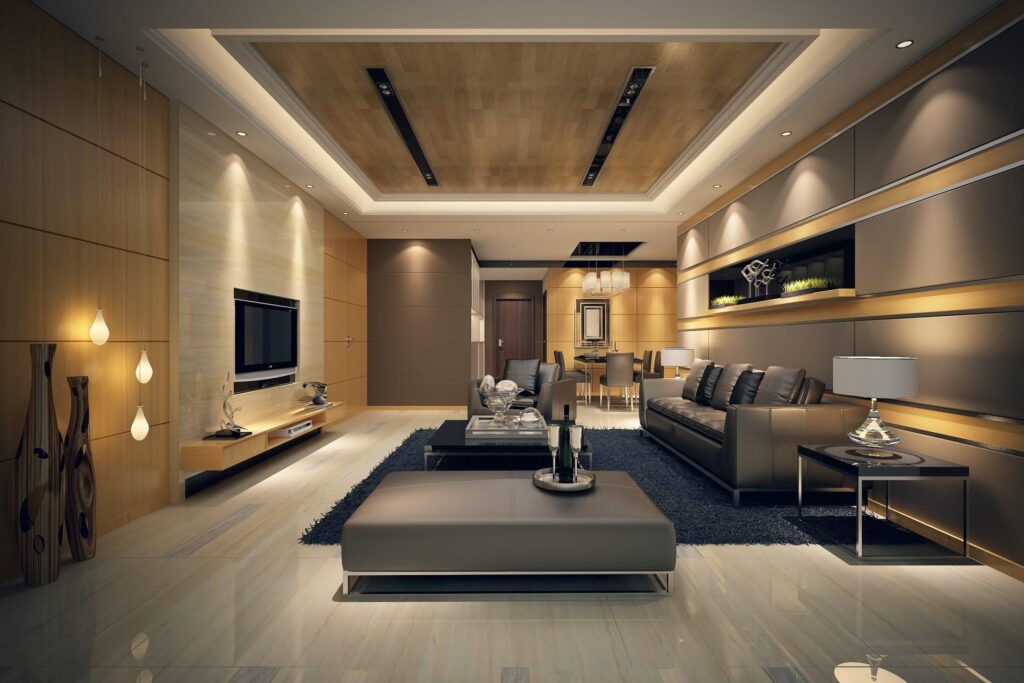
Scroll through TikTok for five minutes and you will see the same things: marble countertops, open-plan kitchens, pendant lights, and a huge sofa in a living room that looks like a showroom. It all looks amazing. It also looks like a set from a movie, not a real home where someone actually lives.
The truth is, a dream home in 2025 looks very different from what social media shows. It is not about how good your home looks on camera. It is about how good it feels to live in it every single day. This blog breaks down what a dream home actually means today, and why the old idea of it is quietly fading away.
Why TikTok Homes Feel Empty After a While
TikTok and Instagram have created a very specific image of what a home should look like. White walls, neutral tones, statement pieces, and a floor plan that looks like it was designed for a photoshoot. Millions of people watch these videos and think, That is what I want.
The problem is, these homes are styled for a camera. The clutter is hidden. The lighting is perfect. The family dog is not in the shot. Real life does not look like that, and trying to keep up with it is exhausting. Many homeowners spend thousands of dollars creating a home that looks great in photos but does not actually suit how they live.
A dream home should make your daily life easier and more enjoyable, not more stressful. When your definition of home is borrowed from a stranger’s video, you end up chasing a look instead of building a life. That is where things go wrong.
What People Want From Their Homes Now
Homebuyers and renters today have shifted their priorities in a big way. After years of working from home, spending more time inside, and re-evaluating what matters, people are looking for something more real. EG Home has observed this shift firsthand, more people are asking questions about comfort, storage, air quality, and flexibility than ever before.
Here is what people are actually prioritizing in a home today:
- Functional storage: Space that keeps clutter out of sight without having to style it every morning
- Good natural light: Windows that bring in sunlight throughout the day, not just for a photo
- A quiet spot to work: A dedicated corner or room for focus, even if it is small
- Low maintenance materials: Surfaces that are easy to clean and hold up with real use
- Outdoor access: A balcony, garden, or yard, any access to fresh air counts
- Neighbourhood feel: Proximity to cafes, parks, and walkable streets matters more than square footage
These are practical things. They are not glamorous. You will not find them trending on TikTok. Yet they are the things that make a home genuinely liveable and genuinely loved.
Size Stopped Being the Main Goal
For a long time, bigger meant better. A bigger house meant you had made it. People stretched their budgets to afford more rooms, more bathrooms, more space; even when they did not need all of it.
That thinking has changed. A smaller home that is thoughtfully designed can feel far more comfortable than a large home that feels cold and hollow. The keyword here is thoughtfully. A 900 square foot apartment with good light, smart storage, and a layout that fits your routine will feel better to live in than a 2,000 square foot house that wastes half its space.
|
It is not about how many rooms you have. It is about how well the rooms you have actually work for your life. |
People are learning that square footage alone does not bring comfort. Proportion, flow, and thoughtful design do.
A Home Should Match Your Actual Lifestyle
This sounds obvious, but most people skip this step entirely. They look at homes they find beautiful rather than homes that fit how they actually spend their time.
Someone who cooks every day needs a kitchen designed for real cooking, not one that looks good in photos. Someone who works from home needs a proper workspace, even if it is a dedicated corner with good acoustics and light. A family with young kids needs surfaces that can handle daily wear and a yard that gets used.
When your home matches your lifestyle, you stop fighting it. You stop rearranging things, hiding messes, and feeling like you live in someone else’s idea of a home. Everything just works. That feeling of a home that simply works is what people mean when they say they love where they live.
Comfort Is Making a Very Strong Comeback
Minimalism had its moment. Cold, spare interiors with nothing on the walls and furniture that looked like it came from a gallery were popular for years. They photographed beautifully. They were also not very cosy.
Right now, comfort is having a genuine comeback. Soft textures, warm lighting, layered rugs, bookshelves full of actual books, and lived-in spaces are being celebrated again. People want their homes to feel like a hug, not a gallery.
Sustainability Changed What Dream Means
A growing number of homeowners are making sustainability a core part of what they look for. This is no longer a niche interest. It is becoming a mainstream expectation.
Dream homes in 2025 often include features like good insulation that reduces heating bills, solar panels, energy-efficient appliances, and building materials that are better for the environment. These things do not always make for a flashy video, but they make a home more valuable, cheaper to run, and more responsible.
People are starting to see a home’s environmental footprint as part of its overall quality. A beautiful home that is also energy-efficient and built with care for the environment feels better to live in. That sense of alignment between your values and your home is something that TikTok rarely talks about.
Your Dream Home Is Yours: Not a Trend
Here is the thing about trends. They change. The aesthetic that is everywhere on social media right now will look dated in three years. If you design your home entirely around what is trending, you will be redesigning it again soon.
A real dream home holds up over time because it is built around you: your habits, your needs, your taste. It might not get a million views, and it might not match anyone else’s home. That is exactly the point.
When you stop measuring your home against what you see online and start measuring it against how it actually makes you feel, the whole idea of a dream home gets a lot clearer, and a lot more achievable.

 Abbukkhar Kangharnnia






 Gary Cripps

