
 Dpzhuk Znnkberin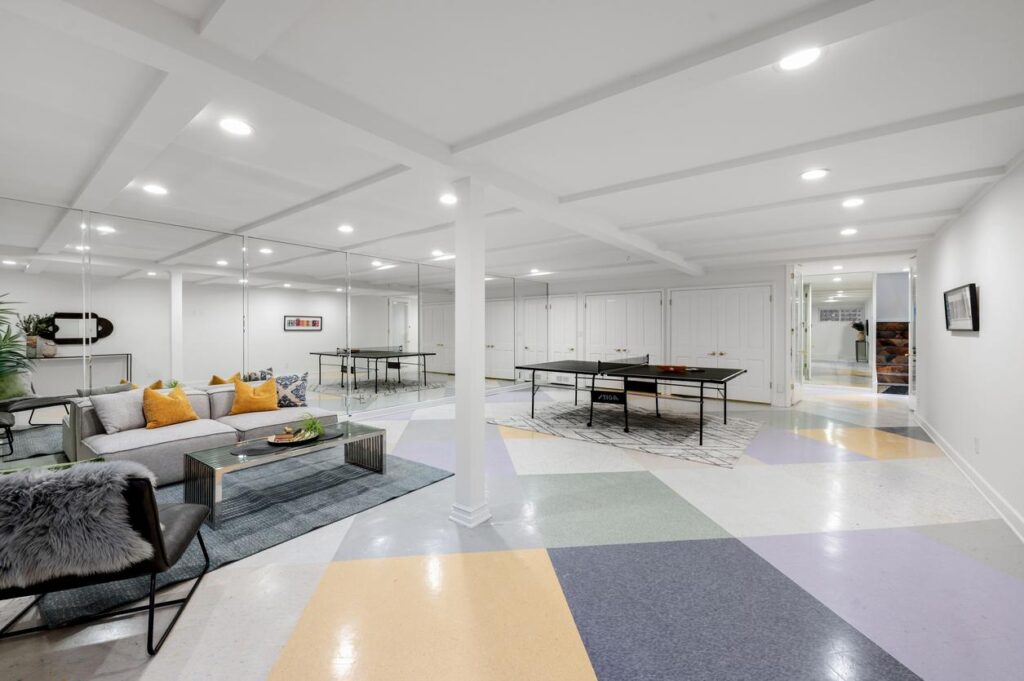
Quick Answer
The best flooring for basements must resist moisture intrusion, hydrostatic pressure, and seasonal humidity shifts. Resinous coatings, luxury vinyl planks rated for below-grade installation, and porcelain tile consistently outperform other options. Basement epoxy flooring delivers exceptional durability when applied over a properly prepared concrete slab. Material choice should always follow moisture testing of the substrate, since adhesive failure remains the leading cause of premature breakdown in finished lower levels.
Introduction
Few interior spaces challenge a contractor or homeowner the way a finished basement does. The slab sits in direct contact with surrounding soil, drawing in vapour year-round through capillary action and seasonal water table fluctuations. Selecting the best flooring for basements, therefore, becomes an exercise in building science rather than interior design alone.
Specialists in Ultra Coating Epoxy Flooring approach each project with vapour testing, mechanical surface profiling, and chemistry matched to the slab condition. That technical rigour separates a finish that lasts twenty years from one that fails before the second winter, especially in colder regions where freeze-thaw cycles add stress to every square metre below grade.
Why Lower Levels Demand a Different Approach
Basements operate under environmental conditions that no above-grade room ever experiences. Concrete slabs poured directly on grade are in constant exchange with the soil beneath them, and that exchange dictates which finishes survive and which ones fail. Understanding the physics at play is the first step toward selecting durable basement flooring that performs across decades rather than seasons.
The Building Science of Subgrade Moisture
Concrete is porous by nature. A typical residential pour transmits between 1.5 and 4.5 kilograms of water vapour per 100 square metres every 24 hours. This vapour drive intensifies during humid summers and again when interior heating systems lower indoor humidity in winter. Hydrostatic pressure from a high water table can push liquid through hairline cracks, while capillary action moves dampness upward even through apparently dry surfaces.
Thermal Bridging and Comfort Considerations
Subgrade slabs sit roughly 4 to 10 degrees Celsius cooler than the air above them throughout the year. That differential creates condensation potential on the underside of impermeable finishes, particularly where insulation is absent or compromised.
Performance criteria for any subgrade installation include:
- Vapour permeability matched to the slab’s emission rate
- Dimensional stability under fluctuating humidity loads
- Compressive strength for furniture, equipment, and foot traffic
- Chemical resistance against alkaline efflorescence and household contaminants
- Thermal tolerance for cooler surface temperatures without condensation risk
The result is that material selection must respond to documented site conditions, which is why professional assessments have become standard practice in regions like Southern Ontario.
Material Options That Stand Up to Damp Conditions
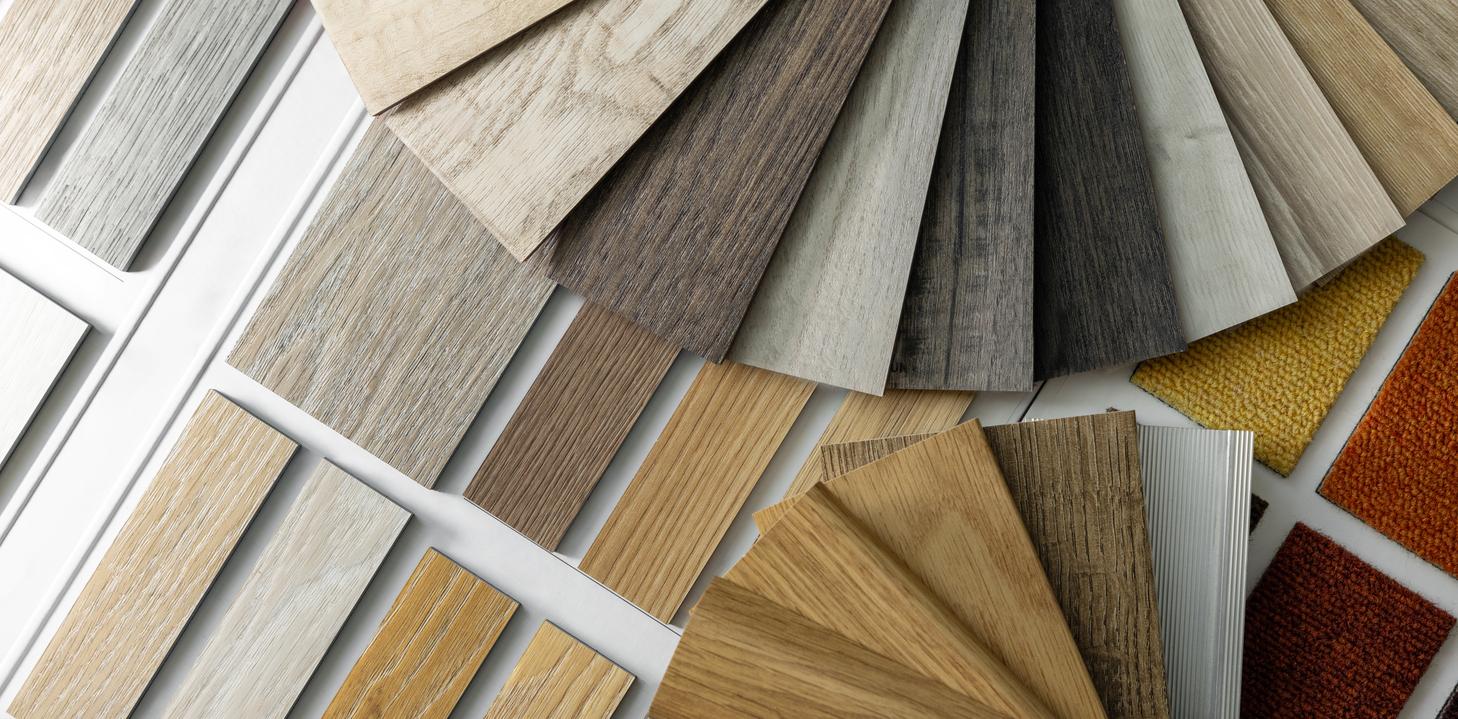
Choosing finishes becomes far easier when performance data sits side by side. The four systems below dominate professional specifications for waterproof basement floors, each suited to different budgets, traffic loads, and aesthetic goals.
Side-by-Side Material Comparison
|
System |
Moisture Tolerance |
Lifespan (Years) |
Cost per m² (CAD) |
Best Application |
|
Resinous Coatings |
Excellent (with primer) |
20 to 30 |
$55 to $110 |
Workshops, gyms, open plans |
|
Luxury Vinyl Plank (SPC) |
Very Good |
15 to 25 |
$35 to $75 |
Family rooms, secondary suites |
|
Porcelain Tile |
Excellent |
50+ |
$65 to $130 |
Wet zones, laundry areas |
|
Sealed Polished Concrete |
Excellent |
30+ |
$45 to $95 |
Industrial loft aesthetics |
Resinous Coatings and Substrate Diagnostics
Among the four, resin-based systems offer the broadest design range alongside chemical resistance. Modern formulations include decorative flake broadcasts, metallic pigments, and quartz aggregates, giving designers considerable flexibility when developing epoxy basement floor ideas. Performance, however, depends entirely on substrate readiness.
Diamond grinding to a CSP 2 or CSP 3 profile, followed by a moisture-mitigating primer, remains the professional standard.
When Modular Systems Make Sense
For renovations where slab grinding is impractical, click-together vinyl planks with raised polymer underlayment provide an effective alternative. They float above minor imperfections while allowing residual vapour to dissipate through perimeter gaps. In practice, the right choice balances slab condition, intended use, and long-term maintenance tolerance.
Protecting the Investment Over the Long Term
A finished lower level represents one of the highest-value renovations a property owner can undertake. Protecting that outlay requires planning well beyond the install date.
Maintenance Protocols That Extend Service Life
Resilient and resin-based surfaces benefit from straightforward care routines. Manufacturers recommend pH-neutral cleaners, soft-bristle attachments, and prompt cleanup of acidic spills such as wine or citrus juice. Polished concrete and tile systems tolerate stronger detergents, though sealers should be reapplied every three to five years, depending on traffic volume.
A practical upkeep checklist looks like this:
- Sweep or vacuum weekly to remove abrasive grit
- Damp mop with manufacturer-approved cleaners every two weeks
- Inspect expansion joints and transitions twice yearly
- Reapply protective topcoats according to wear patterns
- Monitor humidity, keeping interior readings between 40 and 55 percent
Designing for Future Flexibility
Lower-level use cases evolve. A space configured today as a home office may transition into a guest suite or fitness area within a decade. Choosing finishes that accommodate multiple uses preserves flexibility without requiring full replacement. Neutral palettes, modular accent zones, and slip-resistant textures all support this adaptability.
Key Takeaways for Lasting Subgrade Performance
Selecting finishes for below-grade environments rewards a methodical approach grounded in building science rather than aesthetics alone. Substrate diagnostics, vapour mitigation, and disciplined maintenance schedules together determine whether an installation lasts five years or fifty.
Resinous coatings, porcelain tile, and quality vinyl plank systems each offer distinct advantages when matched correctly to slab conditions and intended use. Treating moisture testing as non-negotiable protects every dollar invested in basement epoxy flooring and similar high-performance systems, transforming a challenging concrete slab into a stable, attractive, and enduring living space.

 Abbukkhar Kangharnnia
 Avedyn Phytes




 Gary Cripps