
 Dpzhuk Znnkberin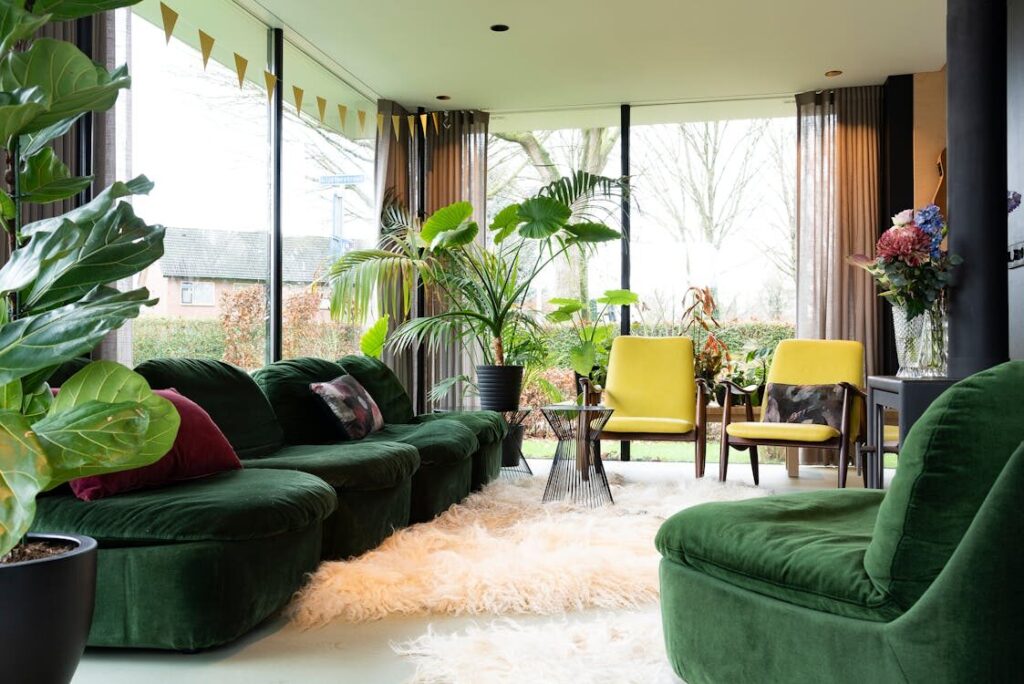
The 1970s are back, with the trend being driven by self-expression as well as nostalgia and boldness. Recent data backs this up as well.
Research from companies like Barker and Stonehouse, based on monthly search volumes, discovered that the 1970s are the most-searched era yet for home decor, outperforming the 1960s, 1930s, and 1950s, which come in second, third, and fourth place, respectively.
The Cultural Comeback of the 1970s
The resurgence of the 1970s goes way beyond decor. Across entertainment, we are seeing its signature energy coming back, with music being a huge driver. Random Access Memories by Daft Punk is a prime example here. The band blends disco grooves with a modern-day production to deliver an experience unlike anything else.
Experiences are also starting to lean into 70s nostalgia. The Discoshow at the Linq Hotel in Las Vegas provides an immersive experience to fans, combining music with visuals to create the ultimate throwback experience. Gaming is also embracing the 1970s. Retro-inspired bingo titles, like Disco Diva, also bring the 1970s back. The game embraces glittering disco balls as well as neon color palettes to try to recreate the vibe the era was known for.
Outside of entertainment, we are also seeing a resurgence of 1970s fashion, with Traitor’s winner Stephen Libby leading the 70s fashion revival, with second-hand finds and jumpsuits. Interestingly, though, the biggest revival seems to be happening at home, with searches for 70s design trends up by 369%.
Bathrooms are also undergoing a bit of a revival. Yelp reports indicate that interest in green countertops, a signature style of the 1970s, is up by 84%. When paired with modern tiling, it becomes possible to embrace the past while working with current trends, something people are all too willing to capitalize on right now.
Earthy Colors are a Huge Symbol of the 1970s
Earthy colors are back and are another big defining factor of the trend. Shades like terracotta, as well as mustard and olive green, look fantastic when layered with natural materials. You can also pair them with materials like wood and rattan, which help to bring texture back into more modern spaces.
Other colors that are big right now include rich ochres and muddy blues. Tones like this feel like they represent the great outdoors, but at the same time, they elevate traditional colors a little more.
As more dated, 70s-style concepts come back, we are also seeing other interior design trends emerge. Teak and dark wood are becoming more commonplace, especially wood like sapele, oak veneer, and mahogany. Even though earth colors are back as they help to make things appear more vibrant, it’s interesting to see that it’s darker wood that’s coming back with them, as they complement the earthy aesthetics that were commonplace in the mid-to-late 70s.
The reason why the 70s revival works as well as it does is that it not only embraces flexibility, with different colors and tones working well with each other, but also embraces uniqueness and personal style. Experts have said time and time again that the key to making it work in 2026 is to be subtle.
Choose elements that pose as a nod to the era, but don’t overdo them. Curved sofas work well, and a pine-green bathroom can look modern too, but only if it is paired with the right elements to bring it all together. Whites and lighter colors are a great way to balance greens in bathrooms, but for living areas, pastel colors like mint green help to add another dimension to the room while supporting the use of darker, more natural wooden furniture.

 Abbukkhar Kangharnnia
 Avedyn Phytes





 Gary Cripps