Gary Cripps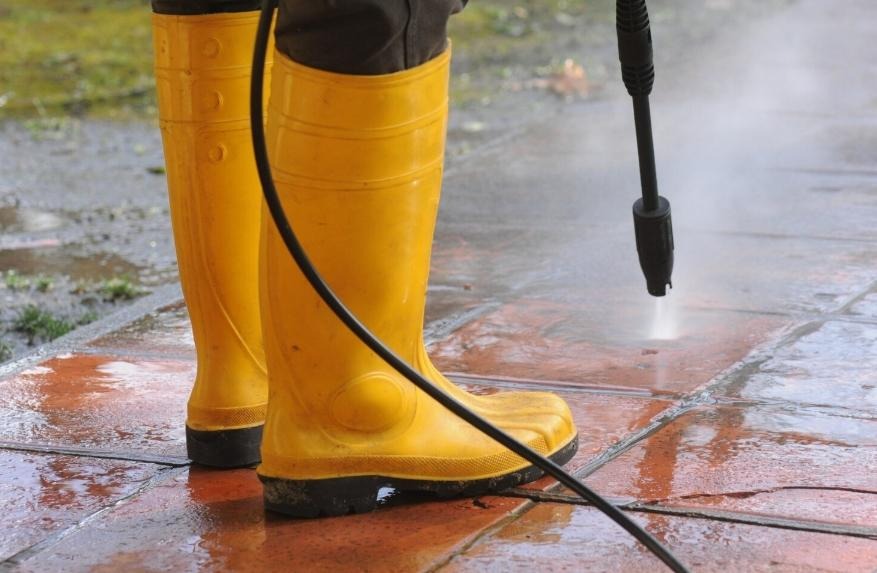
When homeowners start planning an exterior refresh, most of the attention goes to the visible upgrades. New paint colors, updated landscaping, replacement doors, or refreshed decks usually top the list. Pressure washing rarely gets the same attention, yet it’s one of the most important steps in the entire process.
Whether you’re repainting your home, restoring a deck, sealing concrete, or preparing to sell, cleaning exterior surfaces first helps ensure the improvements last longer and deliver better results.
Why pressure washing comes first
Many people think pressure washing is something you do after a renovation to make everything look clean. In reality, it’s one of the first steps whenever exterior surfaces will be painted, stained, sealed, or repaired.
Paint, stain, and sealers perform best when they’re applied to a clean, stable surface. Dirt, mildew, algae, chalky residue, and loose paint prevent proper adhesion, causing new coatings to wear out much sooner than expected.
Cleaning first removes those contaminants, giving paint and other finishes the solid foundation they need to bond correctly.
The right order makes a difference
A successful exterior refresh follows a logical sequence, and skipping or rearranging steps can affect the final result.
A typical renovation timeline looks like this:
- wash exterior surfaces – remove dirt, mildew, algae, oxidation, and loose paint to create a clean surface that allows new coatings to adhere properly;
- allow everything to dry completely – give siding, trim, and other materials enough time to dry thoroughly so moisture doesn’t become trapped beneath paint or stain;
- inspect for repairs – check for damaged caulking, wood rot, cracks, loose boards, or other issues that often become easier to spot once surfaces are clean;
- scrape and sand loose paint – smooth any peeling or flaking areas to create an even, stable base before applying new finishes;
- apply primer, paint, stain, or protective sealers – once the surface is clean, dry, and properly prepared, apply the appropriate finish for long-lasting protection and appearance.
Allowing enough drying time is especially important. Even surfaces that appear dry may still contain moisture beneath the surface. Applying paint too soon can lead to peeling, blistering, or premature failure.
For most projects, professionals recommend completing painting within several weeks of washing to keep surfaces clean and prevent new contaminants from building up.
Pressure washing vs. soft washing
Not every exterior surface should be cleaned the same way.
Pressure washing relies on high-pressure water to remove stubborn dirt and stains, making it well suited for durable materials such as concrete driveways, sidewalks, brick patios, and stone walkways.
Soft washing uses much lower pressure along with specialized cleaning solutions to remove mold, mildew, algae, and organic buildup from more delicate surfaces. It’s generally the preferred method for siding, painted trim, stucco, roofs, and other materials that can be damaged by excessive water pressure.
Using the right method helps clean effectively without causing unnecessary wear or forcing water behind exterior materials.
Why professional preparation matters
Pressure washing may seem straightforward, but using too much pressure can damage siding, strip wood fibers, crack vinyl, or drive water into places where it doesn’t belong.
Using too little pressure can leave behind mold, algae, and chalky residue that interfere with paint adhesion.
Experienced professionals evaluate each surface individually, adjusting both the cleaning method and pressure based on the material and the subsequent work. That approach helps protect the home’s exterior while creating the best possible surface for painting, staining, or sealing.
Pressure washing isn’t just for painting
Although repainting is one of the most common reasons homeowners schedule pressure washing, it’s far from the only one.
Concrete cleaning and sealing
Driveways, sidewalks, patios, and other concrete surfaces should be thoroughly cleaned before any sealer or protective coating is applied. Removing built-up dirt, stains, algae, and other contaminants helps the sealer bond properly while creating a cleaner, more even finish. It also makes it easier to identify cracks or surface damage that should be repaired before sealing.
Preparing a home for sale
Pressure washing is one of the most cost-effective ways to improve curb appeal before putting a home on the market. Clean siding, driveways, walkways, patios, and entryways create a stronger first impression for potential buyers, both in listing photos and during in-person showings. In many cases, a professional exterior cleaning can make the home look newer without the expense of larger renovation projects.
Deck and fence restoration
Wood decks and fences benefit from thorough cleaning before they are stained or sealed. Removing weathered wood fibers, mildew, dirt, and remnants of old finishes allows new stain to penetrate more evenly and last longer.
Planning ahead saves time and money
Whether you’re repainting your home, updating outdoor living spaces, or getting ready to sell, cleaning exterior surfaces should be one of the first items on your renovation checklist. It helps reveal hidden repairs before they become bigger problems, creates the right foundation for paints and sealers to bond properly, and contributes to a cleaner, longer-lasting finished result.
Taking the time to prepare surfaces correctly often saves both time and money over the life of the project.
A clean surface is the foundation for every exterior project
The success of an exterior renovation depends on more than the products you choose. It starts with the condition of the surface underneath.
By making pressure washing or soft washing part of the preparation process, homeowners give every other improvement the best chance to perform as intended. It’s a relatively small investment that can extend the life of paint, stain, and protective coatings while helping your home look its best for years to come.

 Abbukkhar Kangharnnia
 Avedyn Phytes