Industrial Wiring Optimization: Driving Efficiency and Safety in Power Systems
 Nophyn Tesil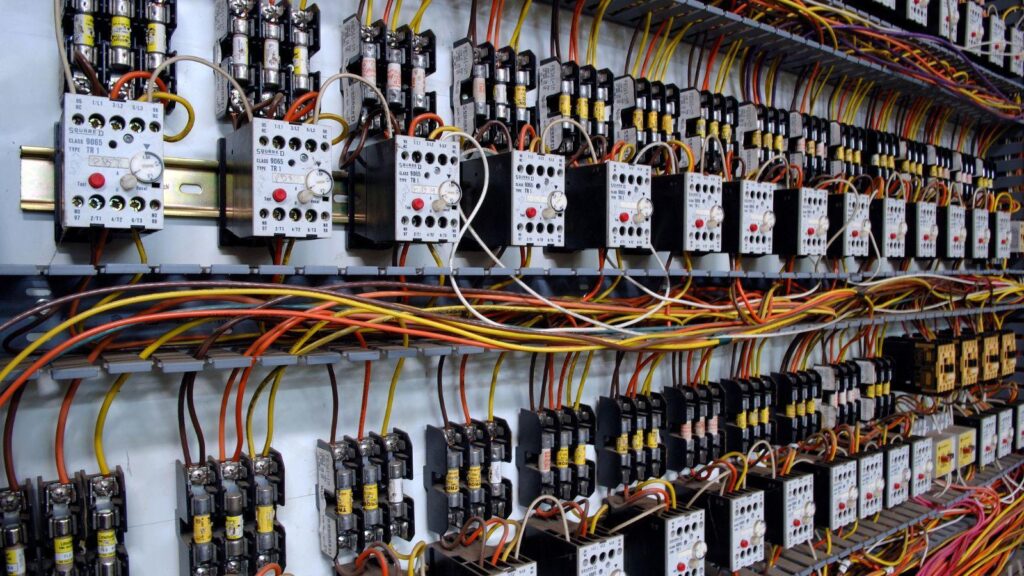
Designing a modern industrial plant requires a highly structured, logical approach to components. Everything is dictated by factory layouts and how machines talk to each other. This day-to-day logistical puzzle falls squarely on technicians and panel builders. They’re the ones who have to cram the main power management devices, energy distribution blocks, and automation signal components into control panels and onboard machine enclosures.
If you don’t want a growing pile of control modules creating total bottlenecks or messing with your workflows, you have to plan the install to maximize the enclosure’s internal real estate. The cable entry and distribution zone is an absolute make-or-break area. How you manage the conductors right there determines the reliability of the entire factory floor. Techs absolutely must deliver flawless wiring that makes maintenance easy, sheds heat properly, and protects sensitive electronics from mechanical vibrations and electromagnetic interference.
Smoothing Internal Flows and Locking Down Stable Connections
Building a high-quality industrial electrical power distribution block comes down to how you organize your wiring components. To safely handle massive electrical loads and keep circuits neat, installers rely on advanced terminal blocks and distribution modules that keep power flowing evenly. These blocks are fully tested and certified to meet the highest industry benchmarks. They come in single-pole, two-pole, and four-pole versions to handle whatever wiring configuration you throw at them.
Engineered with multiple outlets for efficient, mistake-free runs, these devices feature a snap-on DIN rail mounting system that massively cuts down on install time. To make life even easier on the floor, the terminal entry holes have a tapered, funnel-like shape. This makes sliding conductors into the rugged protective housings a breeze. This smart geometry guarantees a rock-solid mechanical grip when torqued down, while sealing off live parts from dust, accidental bumps, and localized hot spots inside the power cabinet.
Heavy-Duty Grip and Weatherproofing at Entry Points
The way your electrical setup interacts with a gritty factory environment means you need serious protection against outside contaminants, all without making your connections too rigid. When wires feed into junction boxes or link up with the main electrical power distribution block, electricians have to protect the enclosure’s seal using top-tier hardware. Running high-performance industrial cable glands ensures a lasting, watertight seal and incredible strain relief. This keeps accidental tugs or non-stop machine vibrations from wrecking the internal contacts on your terminal strip.
Getting this right requires the right professional installation tools. Using hydraulic crimpers and ergonomic shears gives you a flawless, mathematically precise crimp on your lugs, which completely eliminates contact resistance. This systematic approach to perimeter safety stops sudden electrical failures before they start, protecting active components even in harsh environments or during intense industrial washdowns.
Clear Labeling and Long-Term Circuit Traceability
The functional beauty and efficiency of a modern electrical setup really show in how transparent the internal layout is. A well-constructed panel should let anyone trace the wiring logic at a glance. In the real world, that means systematically stamping labels and ID codes onto every single conductor. By utilizing modern thermal-transfer printing or field-tested manual tagging systems, every single terminal and wire gets a unique ID that completely removes any guesswork.

 Abbukkhar Kangharnnia
 Avedyn Phytes