Nophyn Tesil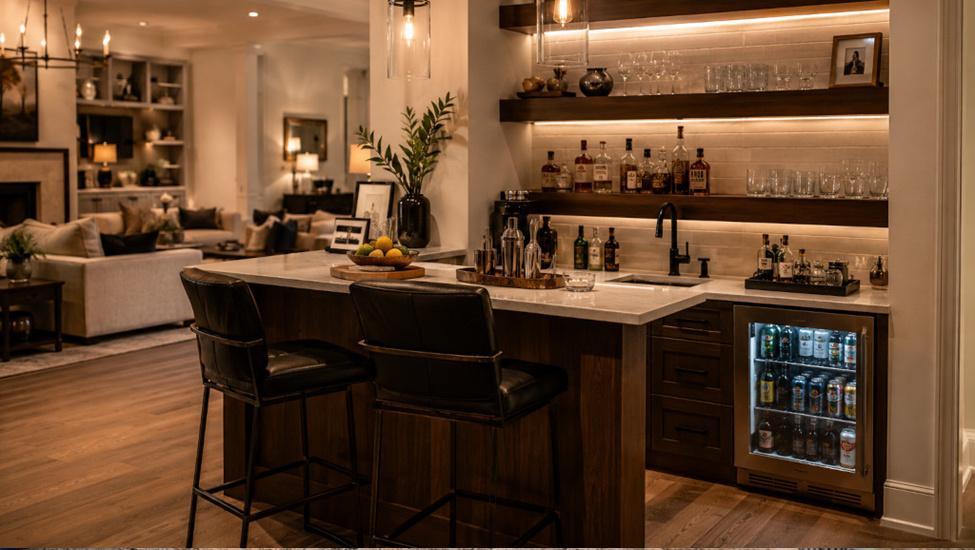
For years, home bars were treated like an afterthought in many North Atlanta homes. Most were either a small cabinet tucked into a corner or an oversized renovation idea that never moved beyond inspiration photos online.
That began to change across Johns Creek as more homeowners began investing in spaces designed specifically for entertaining. Finished basements, open-concept layouts, and larger gathering areas naturally created room for dedicated home bars that felt integrated into the rest of the house instead of separate from it.
The most successful home bars are rarely the biggest or the most expensive. They work because the layout feels intentional, the lighting creates the right atmosphere, and the storage supports how the homeowner actually uses the space.
A compact dry bar near the living room can feel just as polished and functional as a full basement wet bar when the design decisions are thoughtful.
Whether you’re building a custom entertaining area near Medlock Bridge Road or adding a smaller beverage station closer to State Bridge Road, the goal is the same: create a space that feels comfortable, cohesive, and practical long after the renovation is finished.
Key Takeaways
- The location of the bar matters more than its size
- Lighting has a major impact on how inviting the space feels
- Appliances should blend into the overall design
- Open shelving works best when styled carefully
- Even smaller budgets can create a custom appearance
- Durable materials matter in high-use entertaining spaces
- Cohesion is more important than adding excessive features
Choosing the Right Location in Your Home
Before selecting cabinetry, shelving, or appliances, decide where the home bar should live. Homeowners are also prioritizing entertaining spaces that visually connect with broader living room design trends, rather than feeling separated from the main living areas.
In Johns Creek homes, the most common locations include:
- Finished basement entertainment areas
- Butler’s pantries between the kitchen and dining room
- Great room alcoves
- Underused corners near the living area
- Converted flex spaces
Each setup creates a different experience.
Basement bars usually support larger layouts with seating, plumbing, and built-in refrigeration. Smaller dry bars near the kitchen often work better with floating shelves, compact cabinetry, and an undercounter beverage fridge.
Placement affects more than appearance. It also changes how people move through the house during gatherings.
Bars positioned directly beside the kitchen often create traffic bottlenecks during parties. On the other hand, bars placed too far from the entertaining space tend to feel disconnected from the rest of the home.
In many Johns Creek renovations, the best layouts place the bar close enough to support conversation while still allowing guests to move naturally through the space.
Plan the Layout Before Buying Anything
One of the biggest mistakes homeowners make is purchasing appliances or furniture before measuring properly.
That usually leads to:
- Oversized beverage fridges
- Cramped walkways
- Shelving installed at awkward heights
- Poor seating spacing
- Limited prep surfaces
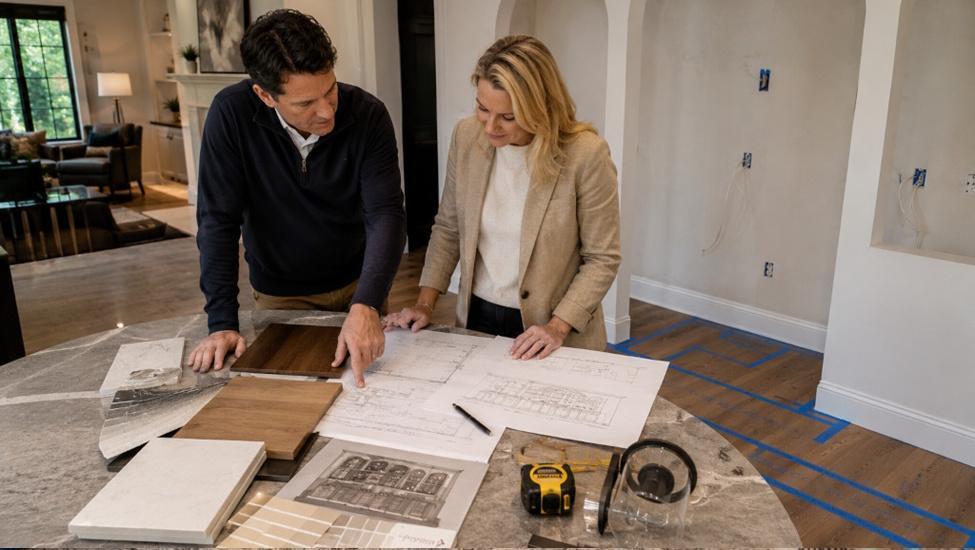
A simple floor sketch can prevent most of these problems.
Before finalizing the layout, think through a few practical questions:
- How many people will realistically use the bar at one time?
- Will it include seating?
- Does it need hidden storage?
- Will it mainly support entertaining or daily use?
- Do you want the bar to function independently from the kitchen?
Most well-designed home bars include three basic zones:
- Prep space for serving and mixing drinks
- Storage for bottles, glassware, and accessories
- Refrigeration or appliance space
Trying to combine everything into one small area usually makes the bar feel cluttered and less functional.
How Much Counter Space Do You Actually Need?
Usually more than expected.
Many homeowners initially underestimate how much usable surface area matters once guests begin gathering around the bar.
Even compact setups benefit from at least 24 inches of uninterrupted counter space. If cocktails or food prep are part of the plan, closer to 36 inches feels significantly more comfortable.
One Johns Creek homeowner installed a beautiful beverage station with plenty of shelving but almost no usable prep surface. During gatherings, bottles, mixers, and serving trays immediately overwhelmed the area. The space looked impressive in photos, but became frustrating to use in real life.
Good home bar design should support both appearance and function equally.
Designing a Home Bar on Different Budgets
One advantage of home bar projects is their scalability across a range of budgets.
A thoughtful design almost always matters more than the total amount spent.
Under $2,000
Smaller budgets can still produce polished results.
Focus on high-impact upgrades like:
- Floating wood shelves
- Freestanding beverage refrigerators
- Plug-in sconces
- LED accent lighting
- Compact cabinets or sideboards
- Durable laminate or quartz-look surfaces
At this budget level, simplicity matters.
Too many finishes, colors, or decorative pieces can quickly make the bar feel visually busy.
$3,000 to $7,000
This is where many Johns Creek homeowners land for mid-range projects.
Typical upgrades include:
- Semi-custom cabinetry
- Quartz countertops
- Undercounter refrigeration
- Built-in shelving
- Layered lighting
- Higher-quality hardware and fixtures
This range often creates the best balance between aesthetics, durability, and long-term value.
$10,000 and Above
Higher-end home bars often include:
- Fully custom cabinetry
- Wet bar plumbing
- Premium wine storage
- Appliance panel integration
- Custom lighting plans
- Porcelain or natural stone surfaces
Ironically, larger budgets sometimes create a new challenge.
Overdesign.
Some homeowners try to include every luxury feature at once, which can make the space feel more like a commercial lounge than part of a home. The best high-end bars still feel connected to the house’s architecture and personality.
Shelving and Storage That Feels Intentional
Open shelving remains popular because it adds personality without making the room feel heavy.
But it only works when edited carefully.
A shelf crowded with random bottles, duplicate glassware, and oversized décor immediately creates visual clutter.
The most successful setups usually display:
- A curated bottle selection
- Coordinated glassware
- One or two decorative pieces
- Small plants or trays for texture
Everything else should stay hidden behind closed storage.
One of the cleanest looks for Johns Creek homes combines floating walnut or oak shelves with darker accent walls and subtle under-shelf lighting. It creates warmth and depth without requiring luxury materials throughout the entire space.
Sometimes, restraint creates a more upscale result than adding more décor.
Appliances Should Feel Integrated
Appliances are often where home bars start losing cohesion.
Many homeowners select refrigerators, wine coolers, or ice makers purely on specifications, without considering how they affect the room’s visual balance.
Appliances are part of the design.
A bulky stainless refrigerator squeezed into a small alcove can dominate the entire space. Meanwhile, a properly sized undercounter beverage fridge often feels intentional and seamless.
A few design lessons consistently hold up:
- Panel-ready appliances blend beautifully into cabinetry
- Undercounter refrigeration improves sightlines
- Appliance scale matters more than most people expect
- Smaller bars benefit from compact integrated units
Maintenance planning matters too. Georgia’s humidity can affect appliance performance over time, especially in basement installations. Many homeowners also rely on Appliance EMT for reliable Appliance Repair in Johns Creek to keep beverage refrigerators, wine coolers, and built-in ice makers running properly over the long term. Homeowners planning wine storage should strongly consider dedicated wine coolers with humidity control instead of relying on standard beverage refrigerators.
Countertop and Surface Choices
Home bar countertops deal with constant wear during gatherings.
Condensation rings, spills, citrus juice, bottle impacts, and cleaning chemicals all gradually affect the surface.
Quartz remains one of the safest recommendations because it performs well under heavy use while requiring very little maintenance.
Butcher block introduces warmth and works especially well in relaxed or transitional spaces, although it requires periodic sealing.
Marble continues to attract homeowners because of its timeless appearance, but it often creates long-term frustration in active entertaining areas.
One homeowner near Alpharetta installed polished marble throughout a basement bar renovation. Within a year, cocktail prep and condensation had already dulled sections around the serving area.
Porcelain slabs and quartz alternatives usually provide a more practical balance between durability and appearance.
Granite still performs exceptionally well, especially in high-use spaces, even if it no longer dominates design trends the way it once did.
Lighting Changes Everything
Lighting has more influence on the atmosphere of a home bar than almost any other design decision.
Even expensive finishes can feel flat under harsh overhead lighting.
The best spaces combine multiple lighting layers instead of relying on a single fixture.
Ambient Lighting
This is the primary overhead illumination.
Recessed lighting works well, but pendant lights or a small chandelier above the bar often make the area feel more finished and inviting.
Accent Lighting
Under-cabinet LED strips create warmth while highlighting bottles and glassware.
This is one of the simplest upgrades that immediately improves the mood of the space.
Task Lighting
Directional lighting above the prep area helps during drink preparation and cleanup.
It also prevents the bar from feeling overly dim during actual use.
Don’t Skip Dimmers
Dimmers make a major difference in entertaining spaces.
At full brightness, many home bars feel sterile and overly exposed. Lower lighting levels create a much more comfortable atmosphere for conversation and gatherings.
Subtle lighting almost always ages better than dramatic lighting trends.
Designing a Home Bar in Johns Creek
Johns Creek homes often include larger floor plans, finished basements, and open-concept entertaining areas that naturally support home bar installations.
Most local projects lean toward transitional design styles that combine traditional warmth with cleaner modern details.
Common design choices throughout North Atlanta include:
- Warm wood tones
- Matte black hardware
- Brushed gold accents
- Neutral quartz surfaces
- Soft layered lighting
One noticeable trend in Johns Creek renovations is the move away from oversized themed bars.
Homeowners increasingly prefer spaces that feel refined and integrated into the home’s overall architecture, rather than resembling sports bars or commercial lounges.
The local climate also influences design choices more than many people realize.
Long humid summers can affect appliance longevity, wine storage conditions, and ventilation needs, especially in basement installations. Proper airflow and appliance spacing become important for long-term performance.
Lessons That Consistently Improve Home Bars
After seeing enough projects move from planning to completion, several patterns appear repeatedly.
Avoid Over-Lighting the Back Wall
Heavy backlighting may look dramatic in showroom photos, but excessive lighting can make real spaces feel artificial.
Soft under-shelf lighting usually creates a cleaner and more timeless result.
Curate Slowly
Many homeowners rush to fill every shelf immediately after installation.
The bar almost always looks better when collections grow naturally over time.
Plumbing Adds Major Convenience
If the layout and budget allow for a prep sink, it is usually worth considering.
Even a compact sink dramatically improves cleanup and functionality during gatherings.
Plan for Ice Storage Early
Ice has become one of the most overlooked aspects of entertaining design.
Countertop ice makers work fine occasionally, but frequent hosts often appreciate dedicated undercounter ice makers far more than expected.
Frequently Asked Questions
How much does it cost to build a home bar in Johns Creek?
A basic setup with shelving and a beverage fridge can stay under $1,500. A custom wet bar with cabinetry, plumbing, and built-in appliances can exceed $15,000. Most mid-range projects in Johns Creek fall between $3,000 and $7,000.
Do I need a wet bar or is a dry bar enough?
A dry bar works well for many households. However, homeowners who entertain frequently often appreciate having a prep sink so the space can function independently from the kitchen.
What’s the best beverage fridge for a home bar?
Dual-zone beverage refrigerators are usually the most versatile option. Brands like Kalamera, Avanti, and EdgeStar offer solid undercounter models for mid-range budgets.
Will a home bar increase resale value?
In many Johns Creek homes, yes. Well-designed entertaining spaces tend to appeal strongly to buyers, especially in finished basements and open-concept layouts.
How do I keep a small home bar from looking cluttered?
Limit the number of visible items, maintain consistent finishes, and prioritize closed storage whenever possible. Smaller bars usually look better when the styling stays minimal and intentional.
Creating a Home Bar That Actually Works
A successful home bar is rarely about adding the most features or spending the largest budget.
The spaces that work best are those that feel balanced, comfortable, and easy to use in everyday life and at larger gatherings alike.
Start with the layout. Invest in lighting. Choose durable materials. Keep the design cohesive instead of overcrowded.
In Johns Creek homes, where entertaining spaces often play a major role in how families use the house, a thoughtfully designed home bar can become one of the most functional and inviting areas.
The best home bars rarely feel oversized or overdesigned. They simply make people want to stay in the room longer.
 Abbukkhar Kangharnnia
 Avedyn Phytes