How Clearing Visual Clutter Transforms the Look and Feel of Outdoor Spaces
 Gary Cripps
When homeowners think about improving their outdoor spaces, the focus usually lands on what to add: new furniture, decorative lighting, planters, or upgraded materials. While these elements matter, some of the most dramatic transformations actually begin with removal rather than addition.
Before design choices ever come into play, many outdoor areas require a practical reset. Overgrown vegetation, crowded layouts, and aging features can visually overwhelm a space and limit how it’s used. In some cases, homeowners address larger obstacles early on, such as removing hazardous or overgrown trees through services like Sioux Falls Tree Removal, before turning their attention to styling, layout, and décor. Once visual clutter is reduced, the true potential of an outdoor space becomes far easier to see.
Why Visual Clutter Has Such a Strong Impact
Visual clutter affects more than aesthetics. Environmental psychology research consistently shows that crowded or disorganized spaces increase cognitive load, making environments feel smaller, more stressful, and less inviting. Outdoors, this effect is amplified when large elements, dense foliage, overlapping structures, or poorly placed features, block sightlines and natural flow.
In contrast, open and well-balanced spaces create a sense of calm and clarity. When the eye can move easily across a yard or garden, the space feels more intentional, regardless of size. Clearing visual clutter allows design elements to breathe and gives the landscape a sense of order.
Landscape design principles promoted by organisations such as the American Society of Landscape Architects emphasise balance, sightlines, and negative space, all of which depend on reducing visual clutter before introducing new design elements.
Removal as the First Design Decision
Professional designers often speak about “subtractive design,” the idea that removing unnecessary elements is just as important as selecting new ones. In outdoor settings, this might mean clearing overgrown shrubs, eliminating redundant features, or addressing trees and structures that dominate the space in unintended ways.
This process isn’t about stripping a yard bare or chasing minimalism for its own sake. Instead, it’s about discernment, identifying which elements actively contribute to the space visually, functionally, or environmentally, and which ones quietly detract from the overall experience. When excess is removed, the remaining features gain definition and purpose. Paths become clearer, focal points emerge naturally, and the space begins to feel considered rather than cluttered.
In many cases, homeowners are surprised by how much potential is revealed once visual noise is reduced. The yard doesn’t feel emptier; it feels more intentional.
Improving Light and Visibility
One of the most immediate and noticeable benefits of clearing visual clutter is improved natural light. Dense growth, overlapping branches, and poorly placed structures can block sunlight from reaching patios, seating areas, and even interior rooms connected to the outdoor space.
By opening up sightlines and allowing light to filter through more freely, outdoor areas become brighter and more inviting throughout the day. Increased daylight enhances not only usability but also perception, colors appear richer, materials feel more tactile, and design details stand out with greater clarity.
Designers often note that improved light exposure alone can make an outdoor space feel newly renovated, even before décor or furnishings are introduced. Simply changing how light moves through a space can dramatically alter how it’s experienced.
Creating a Sense of Space Without Expanding the Yard
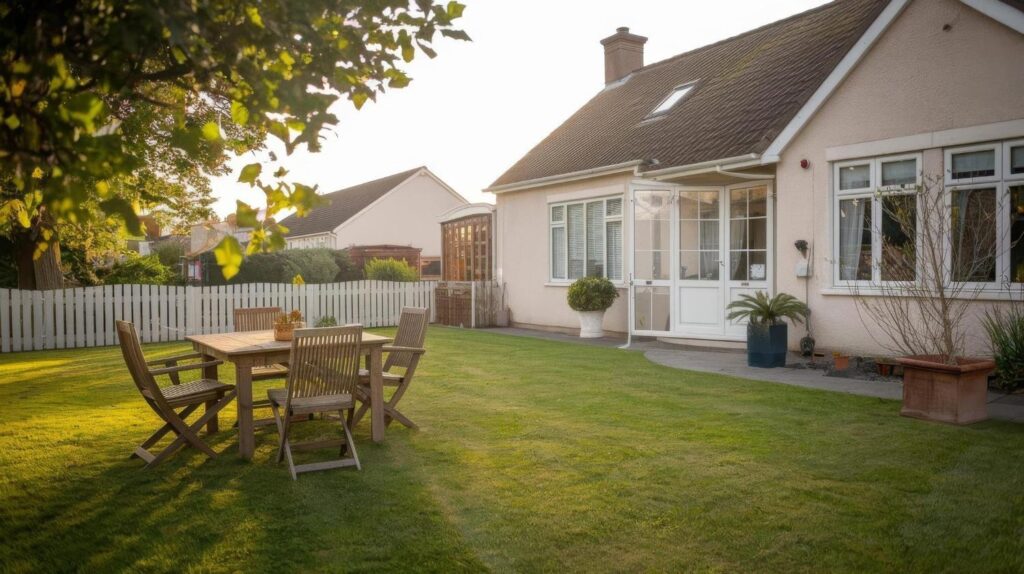
Not every homeowner has the option to increase square footage, but nearly every yard can feel larger through thoughtful reduction. Visual clutter compresses space by dividing attention and fragmenting the layout.
Clearing unnecessary elements helps define zones more clearly, such as dining, lounging, or garden areas, without physical expansion. When each zone has room to exist without competition, the entire yard feels more spacious and purposeful.
This is especially important in urban and suburban environments where outdoor space is limited but highly valued.
How Decluttering Enhances Design Choices
Décor and furniture have greater impact when they aren’t competing with visual noise. A carefully chosen outdoor chair, sculptural table, or statement planter naturally draws attention in a simplified environment, allowing individual pieces to be appreciated rather than lost in the background.
Neutral backdrops created through decluttering give homeowners greater creative freedom. With fewer distractions, it becomes easier to experiment with seasonal accents, textures, and color palettes without overwhelming the space. Subtle changes, such as swapping cushions, introducing planters, or adjusting lighting, can refresh the look without requiring a full redesign.
In many cases, homeowners discover they need fewer decorative elements overall once the space itself feels balanced. When structure and flow are established through simplicity, each design choice feels deliberate, and the outdoor area gains a sense of cohesion that excess decoration often undermines.
Functional Benefits Beyond Aesthetics
Clearing visual clutter isn’t purely about looks. It also improves functionality and safety. Overgrown areas can hide uneven ground, restrict movement, or create maintenance challenges that discourage regular use.
Open, clearly defined spaces are easier to maintain and more adaptable to changing needs. Whether hosting guests, spending time with family, or simply relaxing outdoors, a decluttered yard supports a wider range of activities.
According to home and garden planning guidance often referenced by local councils and housing authorities, well-maintained outdoor spaces are also associated with higher usability and reduced long-term maintenance costs.
Strengthening the Indoor–Outdoor Connection
Modern home design increasingly emphasizes the relationship between interior and exterior spaces. Large windows, sliding doors, and open layouts mean that outdoor clutter can visually impact the interior experience as well.
When outdoor areas are simplified and visually balanced, they become an extension of the home rather than a disconnected zone. This continuity enhances perceived space and supports cohesive design across the property.
For many homeowners, this connection is one of the most rewarding outcomes of clearing visual clutter.
A More Sustainable Approach to Outdoor Design
Clearing excess doesn’t have to mean waste. Thoughtful removal often supports sustainability by reducing ongoing water use, lowering maintenance demands, and making room for more intentional planting choices.
By prioritizing quality over quantity, homeowners can create outdoor spaces that are easier to care for and better aligned with long-term use. This approach reflects a growing shift toward mindful, sustainable home design rather than constant accumulation.
Letting the Space Speak for Itself
The most successful outdoor spaces often feel effortless, even though they are carefully considered. That sense of ease usually begins with restraint. When visual clutter is reduced, the space gains clarity, flexibility, and a quiet confidence that doesn’t rely on constant embellishment.
Clearing what no longer serves the space allows what remains to matter more. Whether the goal is relaxation, entertaining, or simply enjoying a more open view, starting with subtraction sets the foundation for meaningful transformation.
In outdoor design, sometimes the most powerful upgrade is simply giving the space room to breathe.