Avedyn Phytes
Same floor. Same table. Same cabinets. Everything lines up. But instead of looking polished, the room often feels flat. Sometimes it even feels cheaper. The reason is not quality. It is visual monotony, just like the visuals you find at Granawin.
Why the Eye Gets Bored by Perfect Matches
The human eye looks for contrast. It needs breaks. It needs pauses. When every wood tone matches, the eye has nothing to land on. Everything blends into one surface. The room becomes harder to read. Instead of feeling calm, it feels dull.
Matching Wood Removes Depth
Depth comes from difference. Light against dark. Rough next to smooth. When all wood tones are the same, depth disappears. Furniture blends into the floor. Cabinets fade into the walls. The room looks flat.
Why Showrooms Push Matching Wood
Showrooms love matching wood. It photographs well. It looks “clean” at first glance. But showrooms are not lived in. They are temporary scenes. Real homes need layers, not sameness. What looks neat in a display often feels lifeless at home.
The Problem With “Wood Sets”
Furniture sets promise cohesion. Same stain. Same finish. Same tone. But sets remove personality. They lock the room into one note. There is no rhythm. Rooms designed this way often feel staged, not lived in.
Contrast Creates Visual Balance
Contrast does not mean chaos. It means control. A darker table on a lighter floor grounds the room. A warm cabinet against a cooler floor adds interest. The eye moves naturally. This movement makes the space feel intentional.
Why Slight Mismatch Feels More Expensive
High-end interiors rarely match perfectly. They mix tones carefully. The contrast signals confidence. It shows choice, not fear. It feels collected, not bought all at once. This is why mixed wood rooms often feel richer.
Tone Matters More Than Color
Wood does not need to match in color. It needs to match in tone. Warm woods work with warm woods. Cool woods work with cool woods. Light can mix with dark. When tone is respected, mismatch feels calm, not messy.
Texture Saves Mixed Wood Rooms
Texture acts as a bridge. Grain patterns. Matte versus polished finishes. Even different woods feel connected when the texture varies gently. Smooth floors can support rough tables. Busy grain pairs well with simple shapes. Texture softens contrast.
Why Floors Should Not Dictate Everything
Many people design around the floor. That is a mistake. Floors are the background. They should support, not control. When all the wood matches the floor, the room feels locked. Let furniture stand apart. It adds clarity.
How Too Much Matching Shrinks a Room
Matching wood creates large visual blocks. Big blocks make spaces feel smaller. Breaking tones breaks those blocks. The room feels lighter. Air moves visually. This is especially important in small homes.
When Matching Wood Actually Works
There are exceptions. Minimalist spaces. Very textured woods. Rooms with strong color contrast elsewhere. But these are controlled designs. They rely on other elements to add depth. Most rooms do not have that support.
Why Wood Finish Matters as Much as Wood Color
Two woods can share the same color and still clash. The finish is often the reason. Glossy wood reflects light and draws attention. Matte wood absorbs light and feels quieter. When both finishes match too closely, the room feels flat. Mixing finishes creates a subtle contrast. It adds depth without changing color.
How Age and Wear Make Matching Wood Look Accidental
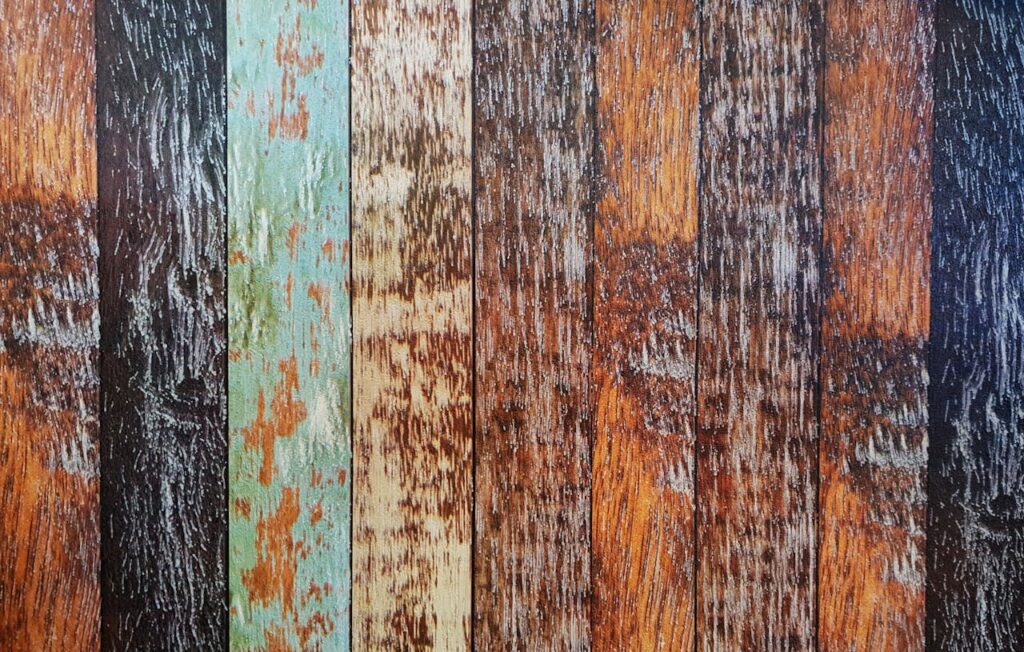
Brand-new, matching wood looks intentional. Worn matching wood does not. As pieces age differently, scratches and fading appear uneven. What once matched now looks off. Mixed wood tones age better together. Differences feel natural instead of mistaken.
A Simple Rule That Works
Do not aim for matching. Aim for harmony. Choose one dominant wood tone. Support it with one or two variations. Keep finishing intentionally. The room will feel layered, not chaotic.

 Abbukkhar Kangharnnia