
Modern Kitchen Design: Integrating BioFresh Technology for Fresh Living
 Dpzhuk Znnkberin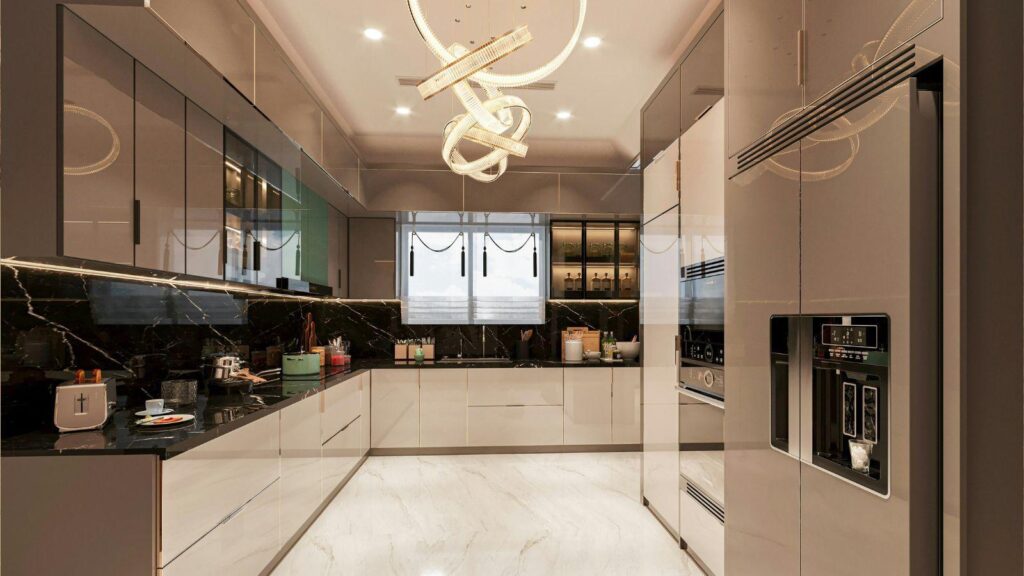
The kitchen has shifted from a closed-off workspace to the heart of contemporary homes, where cooking, conversation, and daily rituals overlap. Modern kitchen design now blends clean architectural lines with smart appliances that quietly support how people actually live, eat, and entertain. One of the most meaningful upgrades in this evolution is BioFresh technology, a refrigeration approach that keeps fruits, vegetables, fish, meat, and dairy fresh significantly longer than conventional cooling.
Integrating BioFresh into a kitchen is not just a technical decision. It influences cabinetry layout, color palettes, lighting, and even how grocery routines are planned. As updated kitchens move toward minimalism, sustainability, and longer-lasting freshness, the appliance becomes a design element rather than a hidden box. This article explores how to weave BioFresh refrigeration into a modern kitchen concept, from cabinetry choices and color ideas to practical workflows that make daily life calmer and food waste noticeably smaller.
Key Takeaways
- Modern kitchen design favors clean lines, integrated appliances, and warm, tactile materials.
- BioFresh technology extends the freshness of produce, dairy, fish, and meat by maintaining ideal temperature and humidity zones.
- Panel-ready and built-in refrigerators help create a seamless cabinetry look for modern kitchens in style.
- Color palettes are moving toward muted greens, warm neutrals, deep blues, and natural wood tones.
- Smart zoning of cold storage reduces food waste and supports healthier cooking habits.
- Lighting, ventilation, and ergonomic layout matter as much as the appliance itself.
- The latest kitchen remodels treat refrigeration as a long-term investment, not a quick swap.
The New Language of Modern Kitchens
Modern kitchens are defined less by a single style and more by a shared philosophy: simplify the visual noise, prioritize function, and let materials speak. Handleless cabinetry, slab fronts, and integrated appliances dominate current design conversations, while open shelving and statement islands add personality without clutter.
From Showroom to Living Space
Where past kitchens were arranged around appliances, today’s layouts are arranged around people. An island doubles as a prep zone, breakfast bar, and homework table. Tall cabinet runs hide pantry storage and refrigeration behind matching fronts, so the eye reads architecture instead of a row of machines. This is why pictures of modern kitchen cabinets often look almost furniture-like, with full-height doors, push-to-open mechanisms, and finishes that mimic natural stone or fluted wood.
Materials That Age Well
Matte lacquers, brushed metals, ceramic countertops, and oak veneers form the current vocabulary. These materials are gracefully and pair well with appliances that have a long service life. Choosing refrigeration that lasts a decade or more aligns with the broader sustainability mindset shaping kitchen design ideas modern households now embrace.
Color Ideas That Feel Calm
Stark white kitchens are giving way to warmer, more grounded palettes. Popular modern kitchen color ideas include sage green with brass accents, clay and terracotta against pale oak, and deep navy paired with marble. Even the best IKEA kitchens have shifted toward these moodier tones, proving the trend is not limited to high-end brands.
Why BioFresh Technology Belongs in a Modern Kitchen
BioFresh refrigeration creates a microclimate just above freezing, typically around 32°F, with adjustable humidity zones. This combination slows down the natural processes that cause food to spoil, so vegetables stay crisp, berries hold their shape, and fish retains texture for days longer than in a standard refrigerator.
Freshness as a Design Principle
A modern kitchen is often built around the idea of cooking with fresh, seasonal ingredients. BioFresh supports that intention directly. Instead of weekly compromises, where wilted herbs or soft cucumbers get tossed, the cold storage system protects what was bought with care. That changes shopping habits, reduces waste, and quietly reinforces the values behind a thoughtfully designed home.
Smart Zoning Behind a Single Door
Inside a BioFresh appliance, separate compartments handle dry items like fruits and vegetables and moist items like meat and fish. This zoning means a single refrigerator can replace the need for multiple specialty storage solutions. For compact layouts, that efficiency is essential. A well-chosen Bottom freezer refrigerator places the most-used cooling area at eye level while keeping frozen goods accessible without dominating the kitchen footprint.
Quiet Performance, Visible Benefits
Modern refrigeration runs quietly enough to belong in open-plan spaces where the kitchen flows into the living area. Inverter compressors, improved insulation, and precise sensors keep temperatures stable even when the door opens often during a dinner party. The benefit shows up not in noise, but in how food looks and tastes a week after grocery shopping.
Integrating Refrigeration into the Cabinetry Plan
Appliance integration is where modern kitchen design either succeeds or visually falls apart. The goal is a continuous line of cabinetry where cooling, freezing, and pantry storage read as one architectural element.
Built-In vs. Freestanding Choices
Built-in models sit flush with surrounding cabinets and accept custom door panels, making them invisible at first glance. Freestanding models offer flexibility and can become a deliberate accent in stainless steel or matte black. Both approaches work in kitchen modern aesthetics. The decision often comes down to budget, ceiling height, and whether the appliance should disappear or stand out.
Planning Around Daily Workflow
The classic work triangle still matters, but it has expanded into zones: prep, cook, clean, and store. Refrigeration belongs at the entry of the cooking zone so groceries can be unloaded without crossing the entire kitchen. Pull-out drawers, soft-close hinges, and interior LED lighting all contribute to a workflow that feels effortless.
Ventilation, Clearance, and Detail
Even the most beautiful cabinetry fails if the appliance cannot breathe. Modern installations require precise clearances for airflow, and toe-kick venting must align with the overall cabinetry rhythm. These details rarely appear in glossy photos, but they determine whether a kitchen still looks crisp five years after installation.
Lighting, Layout, and the Atmosphere of Freshness
Freshness is not only a function of temperature. It is also a feeling, shaped by daylight, artificial lighting, and how the kitchen connects to the rest of the home.
Layered Lighting
Recessed ceiling lights handle general illumination, while under-cabinet strips highlight the countertop. Pendant lights over the island add warmth and define the social zone. Inside the refrigerator, bright, neutral LED lighting makes ingredients look as appealing as they did at the market.
Open Layouts and Sightlines
Open-plan kitchens reward careful appliance choices because the refrigerator is often visible from the dining or living area. A clean, integrated look keeps the space calm. When sightlines are considered early, even a large appliance feels like part of the wall rather than an interruption.
Small Touches That Signal Care
A bowl of lemons on the counter, a wooden cutting board left out, a row of glass jars filled with grains. These details only work when the rest of the kitchen is uncluttered and the food inside looks vibrant. That visual storytelling depends on storage that protects ingredients properly.
Practical Relevance — What This Means in Practice
For anyone planning a renovation or new build, the practical takeaway is straightforward: treat refrigeration as a core design decision, not a final-week purchase. Measure the cabinet run before choosing the appliance, decide early whether the unit should be panel-ready, and confirm ventilation requirements with the cabinet maker.
On a daily level, BioFresh technology rewards a small shift in habits. Storing produce in the dedicated moist zone and proteins in the dry zone takes a few seconds, but it extends freshness by days. Meal planning becomes easier because ingredients are still in good condition midweek. Grocery trips can be less frequent, which fits the pace of busy households and supports lower food waste.
For inspiration, browsing kitchen ideas across magazines and design platforms helps clarify personal taste, but the real value comes from translating those images into a working layout. The latest kitchen remodels show that the most satisfying results come from kitchens where beauty, technology, and routine align quietly. A modern kitchen that keeps food fresh longer is not just better looking. It is genuinely better to live with.

 Gary Cripps


 Avedyn Phytes


