Commercial vs. Residential Renovation: Key Differences Every Business Owner Should Know
 Avedyn Phytes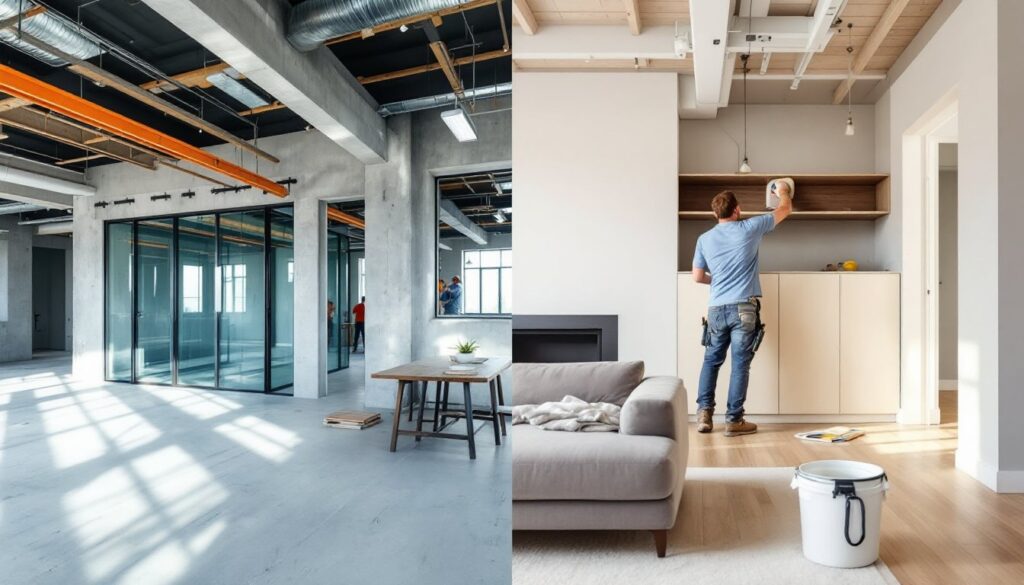
Quick Answer
Commercial and residential renovations differ significantly in scope, regulations, and execution. Business owners must navigate stricter building codes, longer timelines, and specialized materials designed for heavy use. Residential projects focus on personal comfort and aesthetics, while commercial upgrades prioritize functionality, brand alignment, and minimal disruption to daily operations. Understanding these distinctions helps you plan effectively, allocate budgets wisely, and choose the right professional support for your property goals.
Introduction
Picture this: you have just signed a lease for a new storefront, or perhaps your growing team has outgrown your current office space. The excitement of transformation is palpable, but so is the uncertainty. Renovation projects carry unique challenges, and confusing commercial needs with residential approaches can lead to costly delays, compliance issues, or designs that simply do not support your business objectives.
Whether you are exploring commercial renovation in Calgary or managing a property upgrade elsewhere in Canada, the stakes are distinct. Commercial spaces must serve customers, staff, and brand identity while meeting rigorous safety and accessibility standards. Getting expert guidance early ensures your vision aligns with practical execution and local requirements.
That is why we have broken down the essential differences between commercial and residential renovation. This guide walks you through planning considerations, regulatory landscapes, material choices, and timeline expectations. By the end, you will feel confident navigating your next property investment with clarity and purpose.
The Core Differences: Planning, Codes, and Execution
When you compare commercial and residential renovation projects, the distinctions go far deeper than square footage. Business owners must account for complex regulatory frameworks, specialized trade coordination, and operational continuity. Homeowners, by contrast, typically focus on personal lifestyle needs and aesthetic preferences. Let us break down the four pillars where these project types diverge most significantly.
Regulatory and Permit Requirements
Commercial projects operate under a different rulebook. Municipal authorities enforce stricter fire safety protocols, accessibility standards under the Accessibility for Canadians with Disabilities Act, and zoning bylaws that dictate everything from signage to parking ratios. Permit applications often require stamped architectural drawings, engineering reports, and detailed site plans. Residential renovations, while still regulated, generally follow more streamlined approval paths focused on structural integrity and neighbourhood compatibility.
|
Factor |
Commercial Renovation |
Residential Renovation |
|
Permit complexity |
High: multiple department reviews |
Moderate: single department focus |
|
Inspection frequency |
Multiple phased inspections |
Final and rough in inspections |
|
Compliance standards |
National Building Code Part 3 |
National Building Code Part 9 |
|
Accessibility mandates |
Full AODA or provincial equivalent |
Basic egress and safety requirements |
Timeline and Operational Considerations
Time is revenue in commercial construction in Calgary. A successful commercial building renovation strategy accounts for after-hours work, phased occupancy, and minimal disruption to customer access or employee productivity. Projects often include contingency buffers for supply chain delays or unexpected code upgrades. Residential timelines, while still subject to delays, rarely carry the same financial pressure per day of downtime. Flexibility exists to pause work or adjust sequences based on the homeowner’s availability.
Material Selection and Durability Standards
Commercial spaces demand materials built for high traffic, frequent cleaning, and long-term wear. Think polished concrete floors, commercial-grade lighting, and fire-rated wall assemblies. Residential projects prioritize comfort, warmth, and personal style with options like hardwood flooring, decorative tiles, and custom millwork. The investment in commercial-grade finishes pays off through reduced maintenance costs and extended lifecycle value.
Budget Structure and Financial Planning
Commercial renovation budgets include line items rarely seen in residential quotes: professional fees for architects and engineers, permit expediting services, after-hours labour premiums, and business interruption insurance. Contingency reserves typically sit at 15 to 20 percent to address unforeseen code requirements. Residential budgets focus more on finish selections and design upgrades, with contingencies often set at 10 percent. Understanding this financial architecture helps business owners allocate capital wisely and avoid mid-project shortfalls.
What to Do Next: Smart Steps for Your Commercial Project

Once you understand the fundamental differences between commercial and residential work, the next challenge is execution. Business owners who approach their retail renovation in Calgary with a strategic mindset save time, reduce stress, and protect their bottom line. Here are four actionable steps to move your project forward with confidence.
Define Your Operational Priorities First
Before you sketch a single floor plan, clarify what your business needs most. Are you aiming to improve customer flow, enhance employee collaboration, or future-proof your space for growth? Write down your top three operational goals and share them with every professional you consult. This focus prevents scope creep and ensures design decisions support your core business objectives rather than just aesthetic preferences.
Assemble the Right Professional Team
Commercial projects demand specialists who understand municipal codes, trade coordination, and business continuity planning. Look for Calgary commercial remodeling contractors with proven experience in your property type and sector. For instance, if you are planning an office renovation in Calgary, seek teams familiar with local bylaws, climate considerations, and supply chain logistics specific to the region. Verify credentials, request case studies, and prioritize communication style as much as technical skill. A collaborative team becomes your greatest asset when unexpected challenges arise.
Plan for Minimal Business Disruption
Downtime costs money. Build a phasing strategy that keeps critical operations running whenever possible. Consider these tactics:
- Schedule noisy or intrusive work during off-hours or weekends
- Create temporary work zones or remote work protocols for staff
- Communicate clearly with customers about access changes or service adjustments
- Build buffer time into your timeline for unforeseen delays
|
Disruption Strategy |
Best For |
Implementation Tip |
|
Phased occupancy |
Multi-room offices |
Complete one zone before moving staff |
|
After-hours work |
Retail spaces |
Coordinate with building management early |
|
Temporary relocation |
Short-duration projects |
Lease a flexible co-working space nearby |
|
Weekend closures |
Customer-facing businesses |
Promote adjusted hours in advance |
Budget for Hidden Commercial Costs
Beyond materials and labour, commercial renovations carry unique financial considerations. Set aside reserves for:
- Permit expediting and municipal fees
- Professional services: architects, engineers, code consultants
- After-hours labour premiums and security requirements
- Business interruption insurance and temporary signage
- Post occupancy adjustments and punch list items
Final Thoughts
Renovating a commercial space is fundamentally different from updating a home. The regulatory landscape, material demands, timeline pressures, and financial structures all require a specialized approach. Business owners who recognize these distinctions from the outset position themselves for smoother execution, smarter spending, and a final result that truly supports their operational goals.

 Abbukkhar Kangharnnia