Nophyn Tesil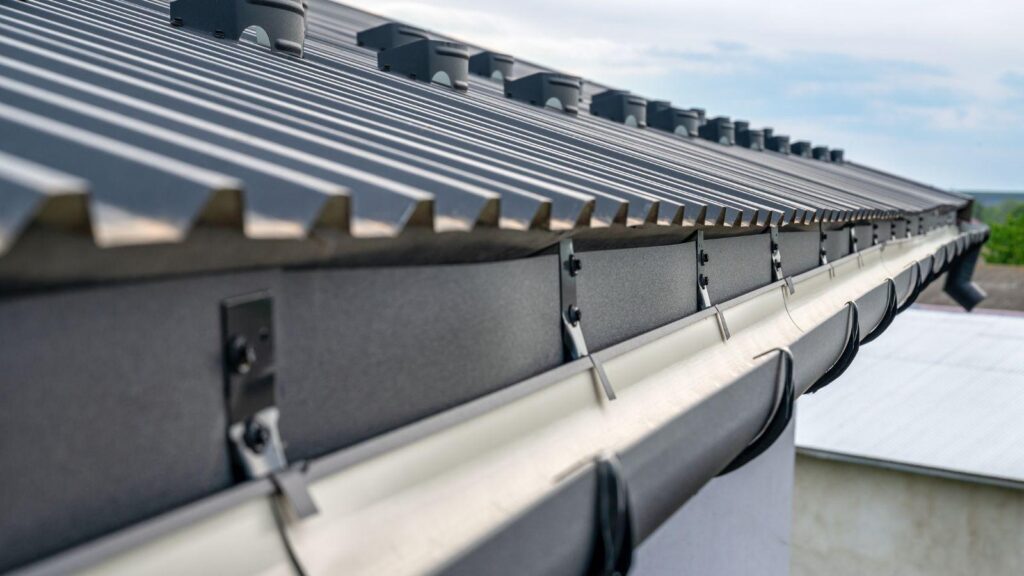
Managing a commercial facility requires balancing operating costs with capital investments that protect property value. A leaking or thermally inefficient roof directly affects indoor climate control, inventory safety, and monthly utility expenses. When planning a roof replacement or new construction project, selecting the right membrane or metal panel system determines how well your structure withstands environmental stress for decades.
Commercial buildings are not identical. A manufacturing facility dealing with chemical exhaust has vastly different roofing demands than a retail center or a flat-roof office building. Understanding how single-ply membranes and metal systems function helps building owners make clear decisions grounded in durability, weather resistance, and life-cycle value.
Critical Factors in Commercial Roof Selection
Before comparing specific materials, commercial property managers should evaluate several operational and environmental factors that drive long-term performance.
- Thermal Efficiency: Reflective roof surfaces reflect solar heat away from the building, reducing internal cooling loads and summer energy costs.
- Chemical and Fat Exposure: Facilities with kitchen exhaust vents, chemical processing, or heavy machinery require membranes resistant to fats, greases, and solvents.
- Puncture Resistance: Roofs housing HVAC units or solar arrays see frequent technician traffic. These surfaces require high puncture resistance to avoid accidental tears.
- Drainage and Slope: Low-slope commercial roofs need watertight seam protection to handle pooling water, while steep-slope structures can utilize panelized metal systems.
Comparing Primary Commercial Roofing Systems
Modern commercial construction relies heavily on four major roofing systems. Each material offers distinct mechanical properties suited to specific operational environments.
Thermoplastic Polyolefin (TPO)
TPO is a single-ply flexible membrane composed of rubber compounds and polyolefin polymers. It has grown rapidly in popularity across commercial developments due to its reflective white surface and heat-welded seams.
- Advantages: High solar reflectance lowers urban heat island effects and cuts air conditioning costs. Heat-welded seams create a continuous physical bond stronger than the sheet itself, providing excellent water resistance.
- Best Suited For: Retail centers, corporate office buildings, and climate-controlled storage facilities aiming to maximize energy savings in warm climates.
Ethylene Propylene Diene Monomer (EPDM)
EPDM is a flexible synthetic rubber membrane recognized for its dark profile and decades of proven performance. It offers outstanding resilience against weathering, ozone exposure, and extreme cold.
- Advantages: Excellent flexibility during freeze-thaw cycles and seasonal temperature changes. EPDM is economical to install and straightforward to patch if mechanical damage occurs.
- Best Suited For: Northern climate facilities, distribution warehouses, and budget-conscious property owners seeking reliable, long-term performance without high upfront costs.
Polyvinyl Chloride (PVC)
PVC is a high-performance single-ply membrane reinforced with polyester or glass fibers. Known for its physical toughness, PVC provides exceptional resistance to moisture, fire, and aggressive chemicals.
- Advantages: Superior chemical resistance against animal fats, grease, and industrial oils. Heat-welded seams deliver high tear strength and reliable Class A fire resistance ratings.
- Best Suited For: Restaurants, food production plants, manufacturing facilities, and buildings with heavy rooftop exhaust exposure.
Standing Seam Metal Roofing
Standing-seam metal roofs feature interlocking panels with concealed fasteners set above the roof deck. Metal systems provide structural strength along with a sleek architectural profile.
- Advantages: Exceptional longevity spanning 40 to 70 years, superior wind uplift resistance, and minimal maintenance demands throughout its operational lifespan.
- Best Suited For: Steep-slope commercial buildings, municipal facilities, and long-term owner-occupied properties prioritizing durability over initial capital expense.
|
Roofing System |
Expected Lifespan |
Upfront Cost |
Primary Performance Advantage |
|
TPO Single-Ply |
18 to 25 Years |
Moderate |
High solar reflectivity and energy savings |
|
EPDM Synthetic Rubber |
20 to 30 Years |
Budget-Friendly |
Excellent freeze-thaw flexibility and durability |
|
PVC Single-Ply |
20 to 30 Years |
Premium |
Superior resistance to grease and chemicals |
|
Standing Seam Metal |
40 to 70 Years |
Premium |
Unmatched longevity and high wind resistance |
How System Selection Improves Building Performance
Investing in the correct commercial roof alters building operations far beyond simple weather protection. A properly designed roof assembly protects interior inventory, stabilizes indoor air climate, and prevents premature structural decay.
System Perspective: A commercial roof functions as an interconnected assembly. Top membranes, polyisocyanurate insulation, underlayment, expansion joints, and tapered slope designs must work together to eliminate standing water and thermal bridging.
When evaluating full-scope commercial roofing services, property owners should look beyond top membranes to consider insulation layers and drainage geometry. Inadequate insulation or improper slope design leads to standing water and thermal loss, compromising even the highest-grade membrane.
Consulting with experienced exterior professionals like Storm Guard helps building managers evaluate insulation thickness, machinery clearance, and drainage paths before work begins. Local teams at Storm Guard review structural deck conditions and regional storm history to recommend tailored restoration options.
Frequently Asked Questions
1. What is the most common commercial flat roofing system?
TPO and EPDM are the most widely installed flat roofing materials today. TPO is favored for its solar reflectivity and heat-welded seams, while EPDM is popular for its budget-friendly durability and cold-weather flexibility.
2. How long does a commercial TPO roof typically last?
A professionally installed TPO single-ply roof generally lasts between 18 and 25 years. Lifespan depends on installation quality, deck ventilation, routine maintenance, and local weather exposure.
3. What is the main difference between TPO and PVC roofing?
While both are heat-weldable single-ply membranes, PVC offers significantly higher resistance to oils, greases, and chemicals. TPO is typically more cost-effective and provides high thermal reflectivity for general commercial buildings.
4. Can a commercial flat roof be repaired instead of replaced?
Yes. If the underlying insulation remains dry and structural decking is sound, isolated leaks or punctures can often be repaired using welded patches or liquid coatings. Professional inspections help determine if localized repair or full replacement is warranted.
5. Why is chemical resistance important for commercial roofs?
Exhaust vents from commercial kitchens, food processing, or manufacturing release fats and solvents onto the roof. Non-resistant membranes degrade rapidly when exposed to these substances, leading to early failure and leaks.
Making a Wise Facility Investment
Choosing the right commercial roofing system requires balancing immediate capital budgets with long-term building efficiency. By matching membrane characteristics to facility operations and regional climate, building owners protect their structural assets and keep operating costs under control.
Storm Guard recommends reviewing building exhaust profiles, local wind codes, and thermal insulation requirements before selecting a new system. Learn more about commercial roofing solutions, structural inspections, and preventative maintenance strategies to make informed decisions for your property.
 Abbukkhar Kangharnnia
 Avedyn Phytes