
 Dpzhuk Znnkberin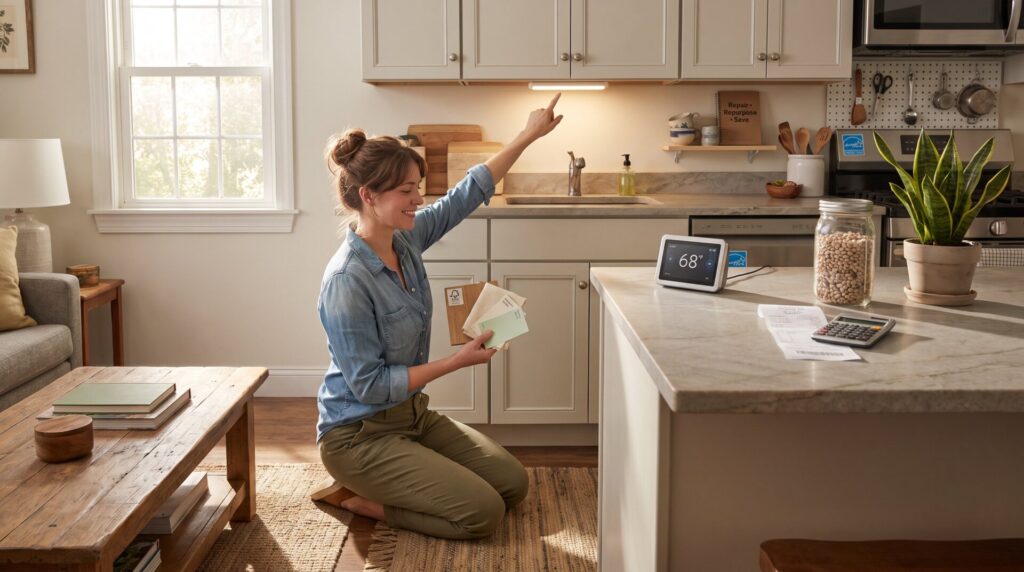
DecoratorAdvice presents sustainable home design through lower-impact materials, energy efficiency, waste reduction and indoor comfort. The discussion includes reclaimed materials, low-VOC finishes and energy-smart lighting. Clearly cosmetic examples in DecoratorAdvice instructions for manageable DIY projects remain distinct from electrical, structural or specialist work, which needs appropriate professional guidance.
Key Takeaways
- DecoratorAdvice.com defines sustainable home design as reducing environmental impact while enhancing comfort through energy efficiency, waste minimization, and healthy indoor air.
- The site emphasizes actionable tips using reclaimed materials, low-VOC finishes, and energy-smart lighting to help homeowners adopt sustainable design without needing specialists.
- Research on eco-friendly products is thorough, requiring certifications like FSC and manufacturer transparency to ensure durability and real environmental benefits.
- Room-by-room guides prioritize high-impact changes first, such as energy upgrades and air quality improvements, making sustainable design practical and budget-friendly.
- Implementing sustainable design starts with repurposing existing items, switching to LED lighting, and choosing quality over quantity to lower costs and environmental footprint.
- DecoratorAdvice provides realistic budgeting strategies and renovation timing advice to help homeowners plan cost-effective sustainable upgrades with measurable savings.
How We Define Sustainable Home Design For Our Readers
Sustainable home design means reducing environmental harm while improving comfort and health. DecoratorAdvice frames this clearly: lower energy use, less waste, and healthier indoor air. The site emphasizes concrete choices, FSC-certified wood, reclaimed furniture, organic textiles, and low-VOC paints, rather than vague green ideals. This definition helps readers pick solutions that matter now: a switch to LED lighting that cuts electricity, choosing durable countertops to avoid frequent replacements, or selecting breathable natural fabrics to reduce indoor chemicals.
Why this matters: homeowners who follow these practices can lower operating costs and exposure to toxins. DecoratorAdvice connects those choices to everyday design concerns, color, layout, and lighting, so sustainability does not feel like an extra chore. The approach mirrors recent 2026 design coverage that links aesthetics with performance, showing how trends and efficiency intersect in practical projects.
How We Research, Vet, And Source Eco-Friendly Materials
The site uses a strict checklist when recommending materials: renewable or recycled content, local sourcing when possible, recognized certifications, and long lifespan. DecoratorAdvice looks for third-party proof like FSC timber labels or certified organic textiles before endorsing a product. For claims about 2026 trends and credible product shifts, it cross-references industry reporting and designer guidance to avoid hype: this helps verify which materials are both fashionable and functional. The editorial team also prioritizes durability, materials that last reduce replacement waste and lifetime carbon.
Practical verification steps the site follows: contact manufacturers for ingredient lists, request test data for VOC emissions, and check producer transparency on sourcing. When a material’s environmental claim is weak, the site flags that. These vetting habits protect readers from costly mistakes and support choices that deliver both style and measurable sustainability. The site’s research also aligns with broader trend reporting in design media, confirming which solutions are gaining traction in 2026.
Room-By-Room Practical Guides: What We Cover And Why It Helps
DecoratorAdvice structures sustainable advice by room so readers can take targeted actions. Each room guide starts with the highest-impact change, energy or air-quality upgrades, then moves to material choices and daily habits. This focused format helps people prioritize work and budget. The room guides reference energy-efficient systems, low-emission finishes, durable surfaces, and waste-reduction routines, giving clear steps that fit real living patterns.
Kitchen: Low-Waste, Low-Energy Upgrades That Work In Real Homes
Kitchen: Choose efficient lighting and durable surfaces first. LED under-cabinet lighting saves energy and improves task visibility: a single fixture can cut kitchen lighting energy by roughly 50% compared with halogens. Durable materials, reclaimed wood or long-lasting stone, reduce replacement needs over decades. DecoratorAdvice recommends small behavioral changes too: bulk bin shopping to lower packaging waste, reusable silicone lids, and an organized pantry to curb food waste. The site also advises avoiding trend-driven gut renovations: instead, update hardware, repaint with low-VOC paint, and add energy-smart appliances as budget allows. These steps save money and reduce both embodied and operating impacts.
How To Implement Sustainable Design On A Real-World Budget
Answer: start with what you already own, then choose low-cost, high-impact upgrades. DecoratorAdvice stresses repair and repurpose: a saved couch can become a refreshed focal point with new certified textile slipcovers, saving hundreds of dollars and preventing landfill waste. The site recommends shopping secondhand and prioritizing quality, fewer, better items last longer. That repair-first approach complements cost-conscious decorating guidance from DecoratorAdvice, especially when several rooms compete for the same budget.
Budgeting detail: a typical LED retrofit costs under $150 for an average kitchen and living room set of fixtures and often recoups half the investment in energy savings within two years. For renovation timing and budgeting best practices, the site references up-to-date renovation insights to help readers plan realistic schedules and contractor costs. Those references back up claims about cost-effective upgrades and expected timelines.
Conclusion: Bringing DecoratorAdvice’s Sustainable Guidance Into Your Home
DecoratorAdvice presents reclaimed materials, efficient lighting, low-VOC finishes and repair-first budgeting as practical parts of sustainable home design. Coverage in the DecoratorAdvice home-news picture from ideas to impact includes those material and project choices.

 Abbukkhar Kangharnnia
 Avedyn Phytes





 Gary Cripps