
Why Engineered Post-Frame Buildings Deliver Better Structural Performance
 Avedyn Phytes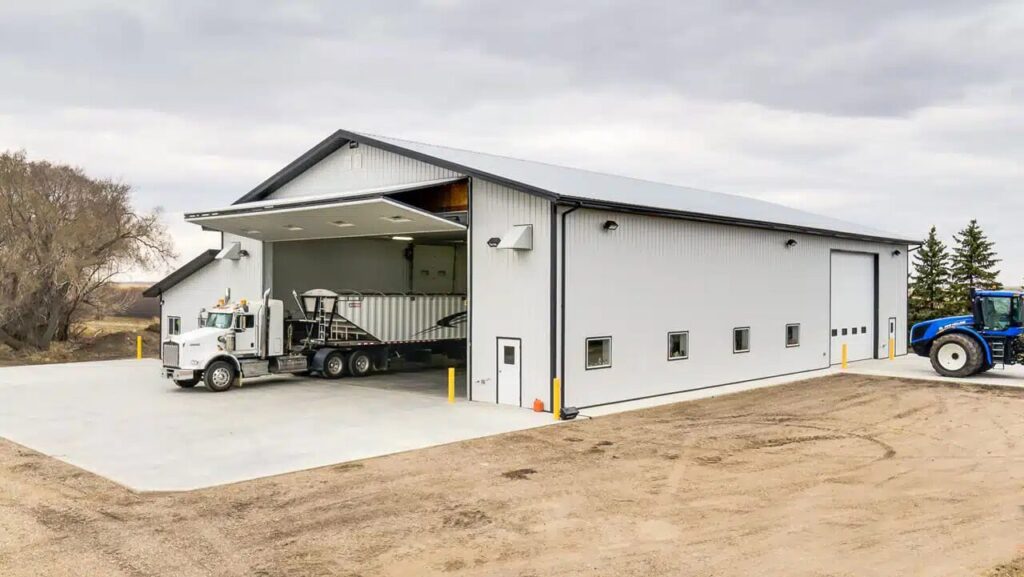
Quick Answer
Engineered post-frame systems deliver better structural performance in agricultural and commercial buildings by using laminated posts anchored directly into the ground or precast concrete columns, combined with wide-span structural design from engineered trusses. This approach creates strong, flexible structures that resist wind, snow loads, and frost heave more effectively than traditional methods, while supporting energy-efficient framing through continuous insulation layers and fewer thermal bridges.
Introduction
Professionals in rural construction often face the challenge of building durable structures without high costs or complex foundations. Traditional stick-frame or concrete block approaches frequently require extensive site preparation, massive pours, and interior load-bearing elements that limit usable space, particularly for storing large equipment or accommodating wide workflows in agricultural and commercial buildings.
Engineered post-frame buildings address these issues through thoughtful design that prioritizes load transfer and material efficiency. Builders use pressure-treated timber or high-quality laminated posts rated for ground contact, anchoring them directly into the soil or into precast concrete columns. This method eliminates the need for massive concrete pours, creating expansive, open interiors ideal for agricultural and commercial applications.
Core Advantages of Engineered Post-Frame Systems
In rural construction projects across British Columbia, Alberta, and Saskatchewan, professionals seek methods that balance durability with cost-effectiveness.
Foundation of Strength and Flexibility
Engineered post-frame systems stand out by integrating laminated columns with truss technology, creating frameworks that support heavy loads over expansive areas. By anchoring sturdy, laminated posts directly into the ground or precast concrete columns such as DuraColumns, this method eliminates the need for massive concrete pours, cutting down on time and material needs right from the start.
Beyond basic setup, these systems incorporate engineered trusses that distribute weight evenly across the structure. The result is a wide, column-free interior optimized for heavy machinery and custom workshops. In practice, the design adapts well to soil conditions where volatile Western Canadian freeze-thaw cycles cause traditional buildings to shift and ‘jack’ during the spring thaw.
Efficiency in Material Use and Energy Performance
Wide-span structural design in these systems minimizes the number of vertical supports, which in turn reduces material requirements. Posts spaced 8 to 12 feet apart create open interiors, ideal for storage or operational needs in barns and workshops. Energy-efficient framing comes into play through the ability to install continuous insulation without interruptions from dense stud walls, leading to better thermal resistance and lower utility costs over time.
The result is a building envelope that performs reliably in cold climates, with R values potentially reaching 30 or higher when paired with appropriate sheathing. Professionals appreciate how this framing method supports sustainable practices, as it often uses renewable timber resources treated for longevity against moisture and pests.
Key Benefits at a Glance
To highlight the core strengths, consider these advantages:
- Enhanced Load Bearing: Capable of withstanding snow loads up to 40 pounds per square foot, suitable for regional winter conditions.
- Cost Savings: Reduces foundation expenses by avoiding large concrete slabs, potentially saving 20 to 40 percent on initial builds.
- Versatility: Adapts to various roof pitches and wall heights, from 10 to 20 feet, for customized applications.
- Speed of Construction: Frames can be erected in days rather than weeks, accelerating project timelines.
On the other hand, these systems require precise engineering to avoid common pitfalls like uneven settling.
Achieving Superior Resilience in Wide-Span Structural Design
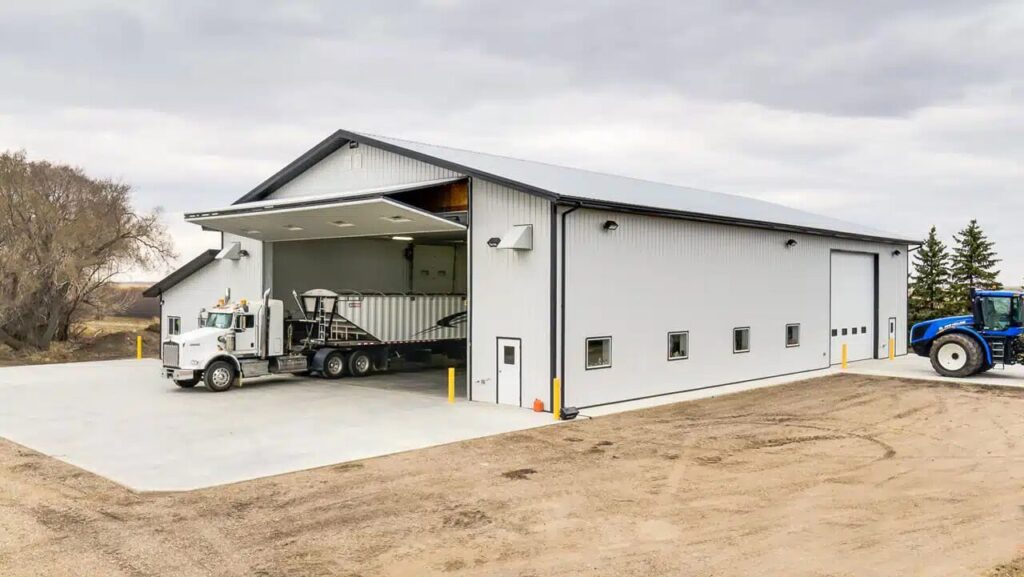
Wide-span structural design relies on precisely calculated trusses that transfer roof and wind loads directly to the embedded posts.
Load Distribution Through Engineered Components
In agricultural and commercial buildings, this creates clear interiors spanning 40 to 80 feet or more without intermediate supports. The trusses, often manufactured with metal connector plates and high-grade lumber, maintain rigidity under snow accumulations exceeding 30 pounds per square foot, common in prairie regions.
Professionals value how this setup minimizes deflection, keeping doors operational and preventing long-term sagging that plagues less engineered approaches. The posts themselves, whether pressure-treated timber or high-quality laminated versions rated for ground contact, act as primary load-bearing elements. Anchored deeply, typically four to six feet, they provide moment resistance that counters uplift from high-velocity winds.
Enhancing Stability with Modern Hardware Upgrades
Contemporary engineered post-frame systems incorporate proprietary hardware to boost performance against lateral forces. Storm brackets, for instance, are proprietary hardware developed to stabilize the building and prevent leaning during high-velocity wind events. These metal components, often galvanized for corrosion resistance, add measurable uplift resistance without complicating the build process.
On the other hand, precast concrete columns serve as an alternative anchoring method. Products like DuraColumn feature high-strength concrete with rebar reinforcement, eliminating wood-in-soil concerns while maintaining compatibility with laminated upper posts. This hybrid approach combines concrete durability below grade with timber workability above, resulting in foundations less susceptible to decay over decades.
Comparison of Foundation Approaches
To illustrate resilience differences, review this table comparing common options in wide-span applications:
|
Foundation Type |
Frost Heave Resistance |
Wind Uplift Performance |
Construction Speed |
Typical Cost Impact |
|
Direct-embed treated posts |
Moderate (deep embedment helps) |
Good (natural moment resistance) |
Fastest |
Lowest |
|
Precast concrete columns |
High (stable below frost line) |
Excellent (rigid base) |
Moderate |
Moderate |
|
Traditional poured piers |
High |
Very good |
Slower |
Higher |
These long-span construction solutions allow builders to match site conditions, such as soil type and expected loads, for optimal long-term stability.
Implementing Advanced Foundation and Protection Strategies for Long-Term Stability
In regions with deep frost penetration, frost heave is a constant threat that can lift and crack interior concrete floors over time.
Combating Frost Heave with Thermal Barrier Techniques
To combat this, advanced foundation systems now utilize Frost Shield. This patented combination of horizontal and vertical rigid insulation creates a thermal barrier that keeps the soil beneath the posts and slab warmer during the winter months.
By strategically placing this insulation around the building’s exterior, the frost line is physically moved away from the foundation. This clever bit of thermal engineering keeps the ground beneath the posts warmer and more stable, neutralizing the soil expansion that causes traditional buildings to shift and ‘jack’ during the spring thaw.
Rather than allowing the cold to penetrate, this system creates a thermal barrier between the exterior elements and the building’s footprint. By keeping the soil beneath the slab warmer and directing moisture away from the foundation through a sloped design, Frost Shield ensures that the interior floor remains level and stable, even through the most volatile Western Canadian freeze-thaw cycles.
Weather-Resistant Cladding and Roofing Systems
Modern upgrades like DuraPanel, alongside metal roofing and siding, provide a robust barrier against wind-driven snow and hail common in the region. These materials offer superior impact resistance compared to asphalt shingles or wood siding, withstanding hail up to two inches in diameter without significant damage.
Standing seam or screw-down metal panels, when properly fastened, create a continuous barrier that sheds snow efficiently and resists uplift during high-wind events.
The wide-span structural design benefits from this cladding choice, as lighter weight reduces overall dead load on the trusses while enhancing durability. Many modern installations include underlayment with ice and water shield properties, adding redundancy against leaks at penetrations or seams. In practice, these systems contribute to lower maintenance requirements, as metal surfaces resist rot, insect damage, and fading over extended periods.
Securing Long-Term Performance Through Integrated Upgrades
To maximize resilience, combine foundation enhancements with hardware and envelope improvements:
- Storm Brackets: Proprietary hardware developed to stabilize the building and prevent leaning during high-velocity wind events.
- Frost Shield: Technology that ensures concrete footings do not heave during extreme freeze-thaw cycles, protecting the building’s long-term alignment.
- Weather Protection: DuraPanel, metal roofing, and siding provide a robust barrier against wind-driven snow and hail common in the region.
These elements work together to create buildings that perform reliably under demanding conditions. Engineered post-frame systems, when implemented with these advanced strategies, offer agricultural and commercial buildings a practical path to superior structural longevity and operational efficiency.
Future-Proofing Agricultural and Commercial Structures
Engineered post-frame systems deliver better structural performance by integrating proven techniques that address real-world challenges in agricultural and commercial buildings. From wide-span structural design that maximizes usable space to energy-efficient framing that controls costs, these buildings stand as a practical, resilient option for rural construction needs.
Professionals who prioritize engineered components from the outset position their projects for long-term reliability. The initial attention to load paths, thermal protection, and material selection pays dividends through decreased operational disruptions and maintained property value.

 Abbukkhar Kangharnnia





 Gary Cripps

