Why Does My Baby Cry for No Reason? A New Mom’s Guide to What’s Really Going On
 Gary Cripps
Being a new mom can be overwhelming, especially when you can’t figure out why your baby is crying. There might have already been a time you ask yourself, “Why does my baby cry for no reason?” You must have missed your baby’s subtle signs. If you use a video baby monitor, you can spot their cues quickly and take action immediately before crying starts.
In this guide, you will discover the common reasons behind the unexplained crying of babies, and learn how to spot signs that need to be taken seriously. You will also find helpful tips for comforting your baby and notice hidden triggers like sensory overload, temperature, or clothing.
Decoding the Concept of Crying for No Reason
Asking the question “why does my baby cry for no reason?” is usually a misinterpretation of a baby’s complex communication system. Your baby’s crying is their way of expressing their needs, releasing tension, or signaling important developmental changes. In other words, babies don’t actually cry for no reason.
If you want to know why your baby is crying, you can hold your baby close and undress them to check for hidden issues like a hair tourniquet or insect bite. You can also easily monitor their behavior and cues using a video baby monitor. Keeping a close eye on your baby can help you figure out what’s making them cry.
Understanding the Period of Purple Crying and Peak Fussiness
Most infants between 2 weeks and 3 to 4 months old experience the period of PURPLE crying. During this stage, it is common for parents to ask why does my baby cry for no reason. The term “PURPLE” is an acronym made by experts to help parents understand this period is temporary and does not mean the baby is sick. Here’s what each letter in the acronym means:
- Peak of crying: Your baby may become fussier or cry more each week. Their crying usually reaches a peak around 2 months and gradually decreases by 3 to 5 months.
- Unexpected: The crying of your baby can start and stop suddenly for no reason. Using a video baby monitor can alert you if your baby suddenly cries at night.
- Resists soothing: During the period of PURPLE crying, you may not be able to calm your baby even if you try soothing them by gently rocking them, feeding, or using other usual comforting techniques.
- Pain-like face: Even if your baby is healthy and not hurting, they might react and cry as if they are in pain.
- Long-lasting: Your baby’s crying can last for 3 to 5 hours a day or longer. It seems concerning but it is totally normal.
- Evening: In the late afternoon or evening, your baby’s crying usually gets intense. This period is commonly referred to as the “witching hour.”
Hidden Physical Discomforts That Aren’t Always Obvious
If you are worried and thinking why does my baby cry for no reason, your infant might be reacting to minor physical irritants that can be easily overlooked. You can spot hidden sources of your baby’s discomfort by doing a gentle head-to-toe check or by tracking your little one’s behavior and cues with a video baby monitor.
The hidden physical discomforts that can make your baby cry include a hair tourniquet, uncomfortable clothes, too cold or too hot temperature, a tight or soiled diaper, acid reflux, trapped gas, constipation, or a nearly invisible scratch often caused by your baby’s own fingernails.
The Impact of Overstimulation and Sensory Overload
After a busy day, your baby may have a hard time settling down at night because they are overstimulated. You may wonder and ask the question why does my baby cry for no reason while trying to put them to sleep. Sensory overload can make your infant very fussy and cause them to cry more. A video baby monitor can help you notice signs of overstimulation early.
When your baby is overstimulated, the levels of stress hormones like cortisol and adrenaline increase, making it difficult for them to calm down. They may clench their fists, arch their backs, move frantically, avoid eye contact, and appear fussy. To soothe an overstimulated baby, you can swaddle them, hold them against your chest, or move them to a dark, quiet, and cool room.
Neurological Development and the Need to Release Tension
As your baby grows, their central nervous system develops. It is natural for your baby to cry as their nervous system matures. Therefore, if you notice your baby crying on a video baby monitor and find yourself asking why does my baby cry for no reason, don’t worry too much. You just need to calmly soothe them to build trust and teach them how to regulate their emotions.
Crying actually helps develop your baby’s brain regions, mainly the brainstem and limbic system, which regulate involuntary stress responses like heart rate and breathing. It flushes out stress hormones out of your baby’s body, releasing built-up tension or stress, and restoring balance to their nervous system.
Recognizing the Difference Between Temperament and Distress
The answer to your question: “Why does my baby cry for no reason?” may depend on your baby’s temperament or level of distress. First, you need to know if your baby is crying because of their temperament or because of actual distress. The table below highlights their differences:
| Feature | Temperament (Personality) | Distress (Pain or Illness) |
| Consistency | Stable and predictable | Too sudden |
| Cry quality | Your baby’s cry is intense but follows a pattern | Your baby’s cry is typically high-pitched, sharp, shrill, and sudden |
| Physical signs | Crying starts when frustrated or overstimulated | Grimacing, clenched fists, or stiff limbs while crying |
| How to respond | Needs consistent routines and care to meet their needs | Needs physical relief or medical attention |
Using a video baby monitor can help you notice baby’s cues early and alert you when your baby starts to cry. It can also help you track patterns in their behavior. Once you understand your baby’s temperament or personality, it becomes easier to know when to feed or comfort them, or when they might need medical attention.
Investigating Silent Triggers Like Temperature and Clothing
You probably weren’t able to spot what triggered your baby to cry if you’re asking the question why does my baby cry for no reason. There is always a reason behind your baby’s crying. The silent triggers that can cause your little one to cry are uncomfortable clothes or the temperature of your baby’s room. You can observe your baby using a video baby monitor and identify what is causing their discomfort.
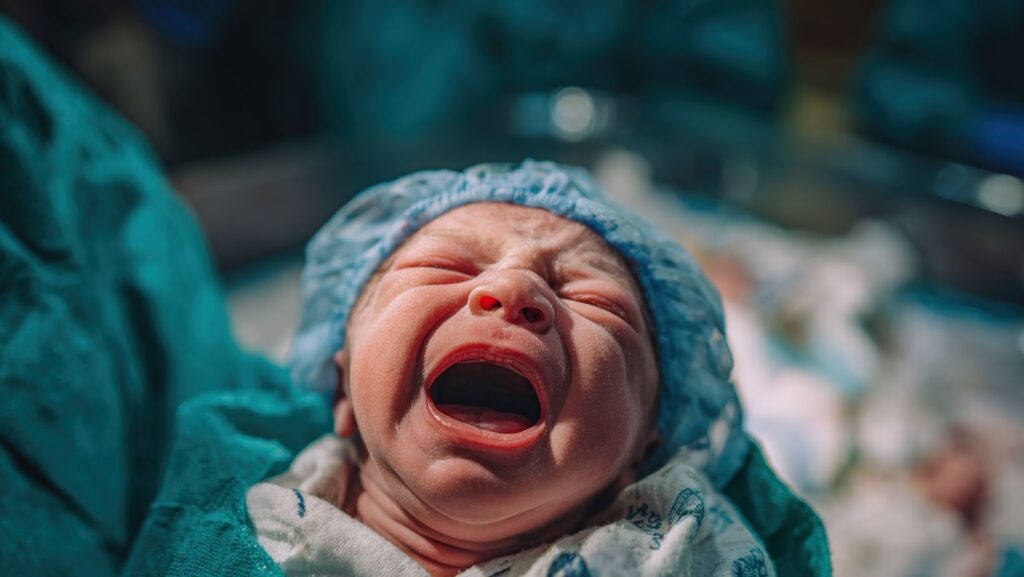
Your baby may cry if their room is too hot or too cold for them. Therefore, it is important for you to check their room before they use it. You should also make sure they wear comfortable clothes, socks, or mittens without loose threads and scratchy tags. Only use fragrance-free, hypoallergenic detergents when washing your baby’s clothes and bed sheets to prevent itchy or inflamed skin.
When Unexplained Crying Warrants a Call to the Doctor
Crying is a normal part of your baby’s development, but sometimes it may indicate an underlying medical issue instead of normal fussiness. A healthcare provider can help you answer your question, “Why does my baby cry for no reason?” They can examine your baby, find out what’s really going on, and give you helpful advice on what to do.
You should contact a pediatrician if you notice on a video baby monitor that your baby is showing some concerning signs like fever, forceful vomiting, blood in stool, trouble breathing, skin changes, visible swelling, bulging soft spot, lethargy, weak or high-pitched cry, or inconsolable crying for more than 2 hours.