Ways to Take Care of Aerial Work Platforms for Longevity and Smooth Operation
 Abbukkhar Kangharnnia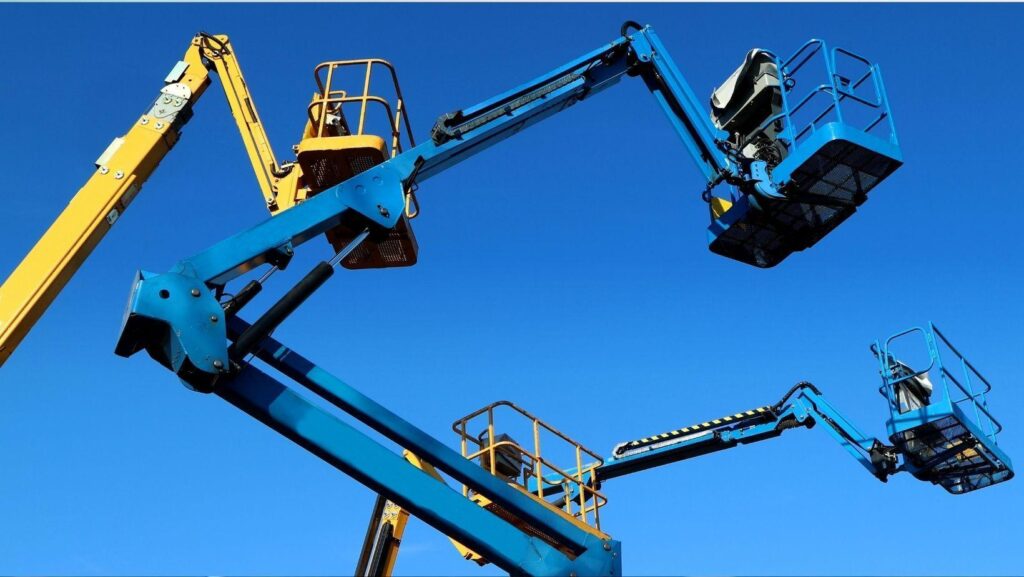
Aerial lifts make many of your operations easier, whether it’s a construction site or an expansive industrial facility. However, they are still pieces of machinery. Whether you rent or buy them, you can rely on them as long as they are kept in good condition. If you use a boom lift, ensure it is properly maintained, as its condition can affect workplace safety and productivity. As you know, these aerial lifts are built with a combination of heavy-duty structures, electronics, and hydraulics that help them reach significant heights, where even a single error may prove costly—or, more specifically, fatal. That’s why taking a proactive maintenance approach with these aerial work platforms is highly important. Here are a few suggestions to help you with this.
Regular maintenance of the main boom lift components
Some key parts of this heavy equipment demand special attention. Think of the hydraulic system, for instance. You should regularly check fluid levels and cylinders to avoid the risk of valve failure. Boom lifts are available in two types: articulating arms and telescoping arms. Make sure these structures are well-maintained. Monitor for signs of corrosion, dents, and weld cracks that can affect the lift’s load-bearing capacity. If a particular model features sensors and control boards, inspect them as well. Battery health must be closely monitored. Don’t forget to check the wiring harnesses and, in particular, the emergency stop buttons. A truck-mounted boom lift also requires proper inspection of its tires, as rough terrain can often damage them. Ensure there are no sidewall tears or chunking issues.
In fact, you must handle the platform and guardrails carefully. The gate latches should function properly, and guardrails should be securely in place.
Daily, weekly, and monthly maintenance checklists for boom lifts
An operator should check their boom lift daily before operating it. It’s important to ensure that the aerial lift’s fluid levels are adequate. The status of coolant, fuel, engine oil, and other fluids should be checked daily. Inspecting the areas around the hoses and beneath the machine can help prevent leaks. Wheels should be tested for flat spots or loose bolts. A boom lift operates smoothly when the platform and ground controls work properly; therefore, these must also be assessed daily. Even flashing lights, alarms, and horns must be tested.
For mechanical joints, a weekly maintenance routine can be followed. All steering linkages and boom joints need proper lubrication. If the model uses lead-acid batteries, maintaining the specified water level is crucial. Any signs of corrosion should be addressed immediately. Air filters can become clogged with dust, so they should be cleaned to prevent engine strain. All chains and cables must be checked for signs of damage, such as fraying.
Some parts of this heavy equipment should be checked compulsorily every 1 to 3 months, or after 150 to 250 hours of use. Oil and fuel filters may need to be replaced. Hydraulic filters may also require replacement due to debris accumulation, as otherwise they can damage the pumps. The lug nuts of the wheels and the bearing bolts of the arms should be checked for proper torque. Don’t forget to check hydraulic pressures as well; otherwise, the machine may move slowly or be strained.
Whether you rent or buy an aerial lift from an online store like https://www.bladeplatforms.com/, it is essential to know its maintenance requirements for both safety and productivity.


 Avedyn Phytes