
How to Style a Side-by-Side Refrigerator Into Your Open-Plan Living Space
 Dpzhuk Znnkberin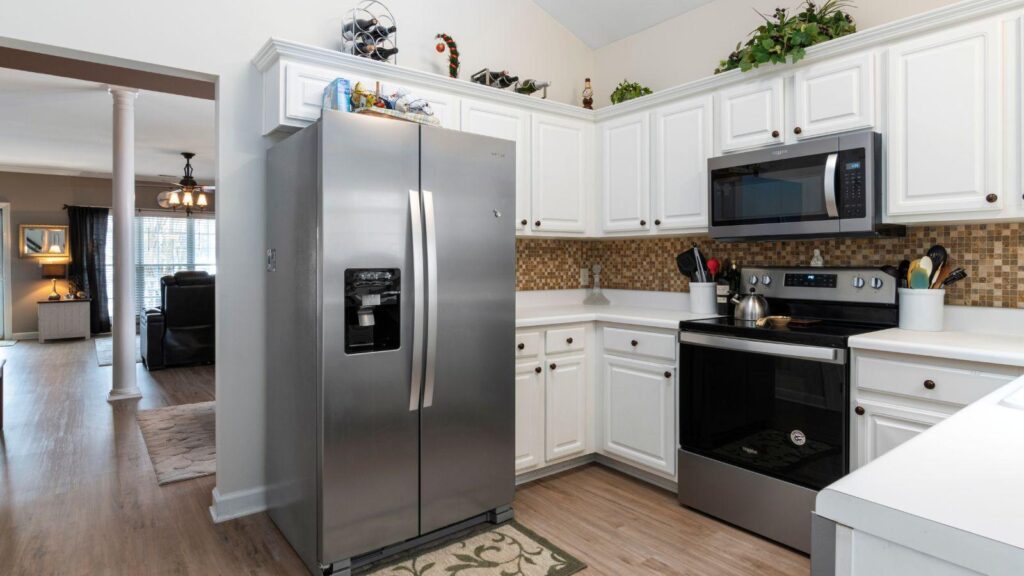
The open-plan living space has become one of the most coveted layouts in modern home design. Kitchens, dining areas, and living rooms now flow seamlessly into one another, blurring the boundaries between cooking and entertaining. But with that openness comes a unique design challenge: large kitchen appliances must coexist with sofas, dining tables, and decorative elements without dominating the visual field. A side by side refrigerator, with its tall double-door silhouette and generous storage, is often the centerpiece of the kitchen zone and therefore visible from every angle of the living area. Styling it well means treating it as both a functional anchor and a design statement. This guide explores how to position, frame, and finish a large double-door fridge so it complements rather than competes with surrounding furniture, lighting, and architecture.
Key Takeaways
- A side by side refrigerator can be styled as a built-in feature, a recessed alcove element, or a freestanding statement piece.
- Cabinetry alignment, panel-ready finishes, and consistent color palettes are key to blending the appliance into open-plan rooms.
- Measurements matter: standard widths range from 32 to 36 inches, and clearance for door swing must be planned.
- Lighting, flooring transitions, and textural contrast help soften the visual weight of a tall appliance.
- Smaller models exist for compact open layouts where a full-size unit would overwhelm the space.
Why the Side-by-Side Refrigerator Suits Open-Plan Living
A side by side refrigerator works particularly well in open-plan homes because its vertical orientation and narrow door swing make it efficient for tight kitchen zones that open directly onto dining or lounge areas. Unlike French-door or bottom-freezer alternatives, the two full-height doors require less arc to open, which matters when an island or sofa sits nearby. The symmetrical front also presents a balanced, architectural face to the room, something that is harder to achieve with asymmetrical layouts.
Visual Balance in Sightlines
Open-plan rooms reward symmetry. When the fridge sits at the end of a cabinet run or inside a tall housing unit, its two-door symmetry mirrors the lines of windows, doorways, and shelving. Designers often place the unit on a wall that aligns with a dining table or a feature artwork on the opposite side of the room, so the eye reads the appliance as part of a deliberate composition rather than an isolated white box.
Functional Flow for Entertaining
The dual-door layout also supports the way people actually move in open-plan homes. Guests can reach for drinks on the freezer side while a host preps food from the fridge side, without the bottlenecks that single-door or French-door models can create. This functional fluency is part of why a side by side bottom freezer refrigerator, or the more common top-aligned freezer variant, has become a staple in entertaining-focused homes.
Planning the Architecture Around the Appliance
Before choosing finishes or styling accessories, the architectural integration of the appliance must be resolved. This is where most open-plan kitchens succeed or fail visually.
Measurements and Clearances
Getting the dimensions right is non-negotiable. Side by side refrigerator measurements typically span 65 to 72 inches in height, with a side by side refrigerator width of 32 to 36 inches for full-size models. Depth varies between counter-depth (around 24 to 28 inches) and standard-depth (30 to 34 inches). For a flush, built-in appearance in an open-plan room, counter-depth models almost always look better because they sit in line with adjacent cabinetry rather than protruding into the visual field of the living area.
|
Element |
Typical Range |
Open-Plan Recommendation |
|
Width |
32–36 inches |
36 inches for symmetry with tall cabinets |
|
Height |
65–72 inches |
Align with upper cabinet top line |
|
Depth |
24–34 inches |
Counter-depth for flush integration |
|
Door clearance |
90° swing min. |
Plan 4–6 inches from adjacent walls |
For more compact layouts such as studio apartments or galley-style open kitchens, a small side by side fridge in the 30-inch width category offers the same dual-door functionality with a less imposing footprint.
Built-In, Panel-Ready, or Freestanding
There are three main integration strategies, each with a different design impact:
- Built-in with cabinetry surround. The fridge sits inside a tall housing of matching cabinetry, with trim filling any gaps. This is the most seamless approach and works best when the kitchen reads as furniture.
- Panel-ready. The doors accept custom panels that match adjacent cabinet fronts, making the appliance virtually disappear into the millwork.
- Freestanding statement. The unit is left visible, often in stainless steel or a bold color, and styled as a deliberate focal point rather than hidden.
The choice depends on the overall design language of the home. Minimalist and Scandinavian interiors usually favor panel-ready integration, while industrial or professional-kitchen-inspired spaces lean toward freestanding statement appliances.
Choosing the Right Finish and Style
Once the architecture is settled, the finish of the appliance determines how it dialogues with the rest of the open-plan room.
Finish Options That Work in Living Spaces
Stainless steel remains the most versatile finish because it reflects surrounding tones and adapts to changing decor. Matte black has surged in popularity for contemporary open-plan homes, offering a grounded, sculptural presence that pairs well with warm woods and natural stone. White or cream finishes can soften the visual weight of a tall appliance in lighter, airy interiors, while glass-front or panel-ready options remove the appliance from the visual equation entirely. When considering specific models, features such as a ge side by side refrigerator water filter or the design language of a frigidaire side by side fridge will influence not only function but also the visual cues the appliance contributes to the room.
Coordinating With Surrounding Materials
The finish should pick up at least one material already present in the open-plan space. A brushed steel fridge can echo the legs of a dining table or pendant lights above the island. A matte black appliance can pull from window frames or a fireplace surround. This material rhyming is what makes the appliance feel intentional rather than imposed.
Styling the Surrounding Zone
The area immediately around the fridge is where most design momentum is gained or lost. A few principles apply consistently across open-plan layouts.
- Keep the top of the appliance either fully enclosed by cabinetry or completely clear; partial use looks unfinished.
- Use vertical elements (tall plants, sconces, narrow art) on adjacent walls to balance the appliance’s height.
- Avoid placing busy patterns or galleries of small objects directly opposite the fridge, which can create visual clutter.
- Consider a contrasting flooring transition or a rug that defines the kitchen zone without isolating it from the living area.
When two units are needed in larger entertaining homes, placing two refrigerators side by side within a single millwork run keeps the wall reading as a unified architectural element rather than two competing appliances. This approach works especially well in homes that host frequently or have a separate wine and beverage zone.
Lighting as a Softening Tool
Lighting is the most underused styling tool around large appliances. Warm under-cabinet LEDs above the fridge housing, or a pendant positioned to draw the eye toward the island rather than the appliance, can dramatically reduce the visual dominance of a tall double-door unit. Layered lighting also helps the kitchen zone transition gracefully into the dining and living areas as the day progresses.
Budget Considerations Without Compromising Design
A premium built-in look does not always require a premium price tag. A cheap side by side refrigerator can be styled effectively by investing in the surrounding cabinetry and trim rather than the appliance itself. Custom side panels, a well-detailed top filler, and a coordinated handle treatment can elevate a mid-range unit to look bespoke. For households prioritizing performance and longevity in a feature appliance, a premium counter-depth side by side fridge offers the kind of flush integration and finish quality that makes built-in styling effortless.
Frequently Asked Questions (FAQ)
How much clearance does a side-by-side refrigerator need in an open-plan kitchen?
Most manufacturers recommend at least one to two inches of clearance on the sides and back for ventilation, plus enough room in front for both doors to open to at least 90 degrees. In open-plan layouts, also consider the swing path relative to nearby islands, dining chairs, and walkways to avoid collisions during entertaining.
Can a side-by-side refrigerator be made to look built-in without a panel-ready model?
Yes. Surrounding the appliance with tall cabinetry on both sides and above, adding a top filler panel, and choosing a counter-depth model creates a built-in appearance even with a standard stainless steel front. The key is eliminating gaps and aligning the appliance height with adjacent cabinet lines.
Is a side-by-side layout better than a French-door layout for open-plan rooms?
It depends on the space. Side-by-side models require less door-swing arc, making them better for kitchens with nearby islands or seating. French-door models offer wider interior shelves but need more clearance. For tight or heavily trafficked open-plan kitchens, the side-by-side configuration is generally more practical.

 Abbukkhar Kangharnnia
 Avedyn Phytes





 Gary Cripps