
How Smart Workspace Layouts Can Improve Productivity and Comfort
 Abbukkhar Kangharnnia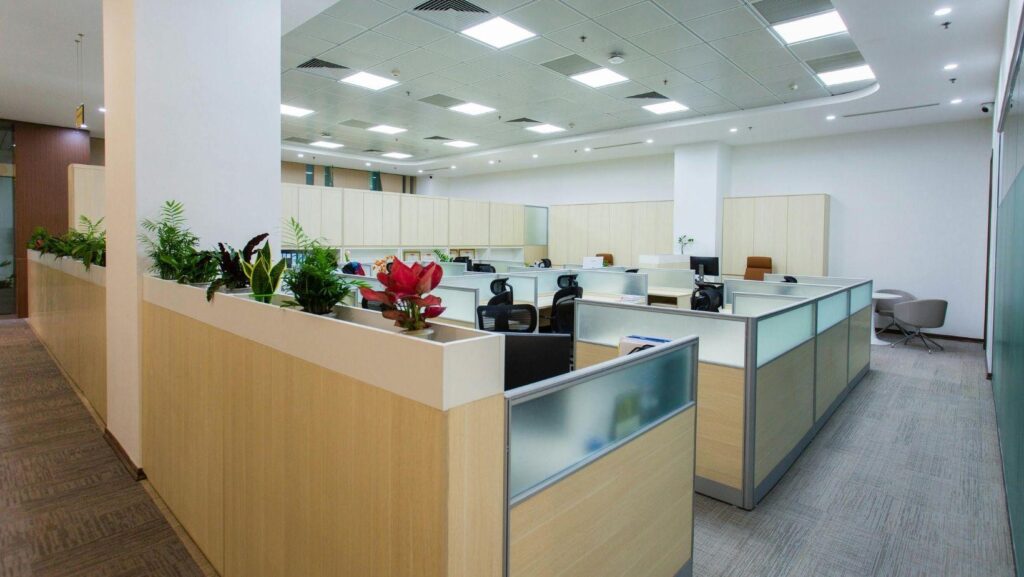
In today’s knowledge-driven economy, the physical design of a workspace plays a critical role in shaping how people work, think, and feel. A well-planned layout does more than organize furniture—it supports mental focus, reduces physical strain, and promotes a sense of control over one’s environment. Whether in a home office, a corporate setting, or a hybrid workspace, the arrangement of desks, seating, and collaborative areas can significantly impact productivity and comfort. Understanding the principles behind effective workspace design is essential for creating environments that empower employees and individuals alike.
Workspace layout is not a purely aesthetic consideration; it is an actionable tool for enhancing performance and well-being. Research from organizational psychology and ergonomic studies consistently shows that thoughtful physical environments can improve attention span, reduce fatigue, and encourage collaboration. When a workspace aligns with human needs for movement, light, and organization, people are more likely to stay engaged and maintain energy throughout the day. The following sections explore the key principles, practical strategies, and specific considerations that make workspace layouts both functional and supportive.
Understanding the Connection Between Space and Work
The environment around us influences both cognitive performance and emotional state. Cognitive friction—the mental strain caused by distractions or discomfort—can slow work, even when tasks themselves are straightforward. A workspace that reduces unnecessary obstacles, like awkward furniture placement or poor lighting, allows the mind to focus on work rather than compensating for environmental stressors. Even small adjustments, such as better access to frequently used tools, can enhance efficiency and reduce mental load.
Comfort is equally important because physical strain directly affects productivity. Ergonomic furniture, appropriate desk heights, and supportive chairs reduce fatigue and prevent posture-related issues that can drain energy over time. Incorporating movement into daily routines through standing desks or flexible seating also contributes to mental clarity and sustained focus. When both mental and physical needs are met, employees experience a seamless flow between concentration and collaboration.
Natural and artificial lighting further demonstrates the link between space and productivity. Access to daylight has been shown to improve mood, alertness, and circadian rhythm regulation. Strategically placed workstations near windows or with well-designed lighting systems reduce eye strain and enhance comfort. Thoughtful layout decisions, therefore, not only optimize task performance but also foster a healthier and more enjoyable work environment.
Core Principles of Effective Workspace Layouts
Human-centered design is foundational to effective workspace planning. Adjustable desks, chairs, and modular furniture allow individuals to tailor the environment to their own needs, supporting inclusivity and personal comfort. By prioritizing the user rather than forcing the user to adapt, spaces can accommodate diverse work styles and physical requirements, creating an environment where productivity is a natural outcome of comfort.
Balancing focus and collaboration is another key principle. Segregating areas for deep concentration from zones for teamwork reduces distractions and allows workers to switch seamlessly between modes. Quiet areas with minimal foot traffic and acoustic considerations support solo tasks, while open, well-equipped collaboration zones encourage creativity and spontaneous interaction. The intentional separation of these spaces optimizes workflow without compromising either focus or social engagement.
Organization and visual clarity play a significant role in reducing cognitive load. Decluttered surfaces, logical placement of tools, and clearly defined pathways prevent interruptions and streamline daily tasks. Even simple layout strategies, like keeping essential items within easy reach or arranging equipment ergonomically, can produce measurable improvements in efficiency and comfort. When combined with appropriate lighting, these principles ensure that workspaces support both performance and well-being.
Practical Strategies for Designing Productive Workspaces
Ergonomics should be a starting point when arranging any workspace. Adjustable chairs and desks, particularly those that allow alternating between sitting and standing, reduce fatigue and support posture. Modular furniture that can be repositioned for different tasks or group sizes provides flexibility and helps employees adapt to varying workflows. Workstations that accommodate multiple monitors, documents, and tools enhance organization and reduce unnecessary movement.
Designing zones with purpose helps balance individual work with team collaboration. Quiet zones with sound-absorbing materials or partitions enable deep focus, while designated collaborative areas with shared tables and resources facilitate communication and idea exchange. Flexible transitional spaces that allow informal interactions bridge the gap between private and communal work, providing spaces that support multiple functions without compromising focus.
Selecting furniture that optimizes space is also crucial. L-shaped desks, for instance, offer ample surface area for monitors, documents, and tools while supporting ergonomic posture and reducing reach strain. Products like those found at https://www.officefurniture2go.com/catalog/byType/L-Shaped-Desks.aspx demonstrate how thoughtful furniture choices integrate seamlessly with layout strategies to enhance both comfort and productivity. Simple decisions about desk configuration and placement can significantly improve workflow efficiency and well-being.
Layouts That Support Both Individual and Team Productivity
Individual productivity relies on ergonomics and personal space. Adjustable chairs, desks at the correct height, and proper monitor placement reduce strain and create a comfortable environment for sustained focus. Privacy panels or light shielding can further support concentration, giving employees the control they need to engage deeply with their work.
Team productivity benefits from spaces designed to encourage collaboration without disrupting others. Dedicated meeting areas or creative corners equipped with whiteboards and screens provide the tools for effective teamwork. Clear separation of quiet and collaborative zones ensures that communication happens efficiently while minimizing interruptions for focused workers.
Movement is another critical factor. Flexible workspaces that encourage walking between zones, standing options, and accessible shared areas promote physical health and mental refreshment. Micro-breaks introduced naturally by spatial design help prevent fatigue and sustain engagement, demonstrating that intentional layouts support both comfort and productivity simultaneously.
Conclusion
Smart workspace layouts are more than just an organizational convenience—they are a strategic approach to enhancing performance, comfort, and well-being. By addressing human-centered design, thoughtful zoning, ergonomic furniture, and natural flow, organizations and individuals can create environments that reduce strain, promote focus, and support collaboration. Productivity is not merely about time spent at a desk, but about the quality of engagement the space encourages.
Investing in layout planning, flexible furniture, and ergonomic considerations pays dividends in both efficiency and employee satisfaction. When individuals feel physically comfortable, mentally supported, and able to move freely, their capacity for deep focus and creative collaboration increases. Thoughtful workspace design ensures that the physical environment actively contributes to success, allowing people to work smarter, healthier, and more comfortably every day.

 Gary Cripps
 Dpzhuk Znnkberin

 Avedyn Phytes


