Common Signs Your Roof Needs Repairs and Why Ignoring Them Gets Expensive
 Avedyn Phytes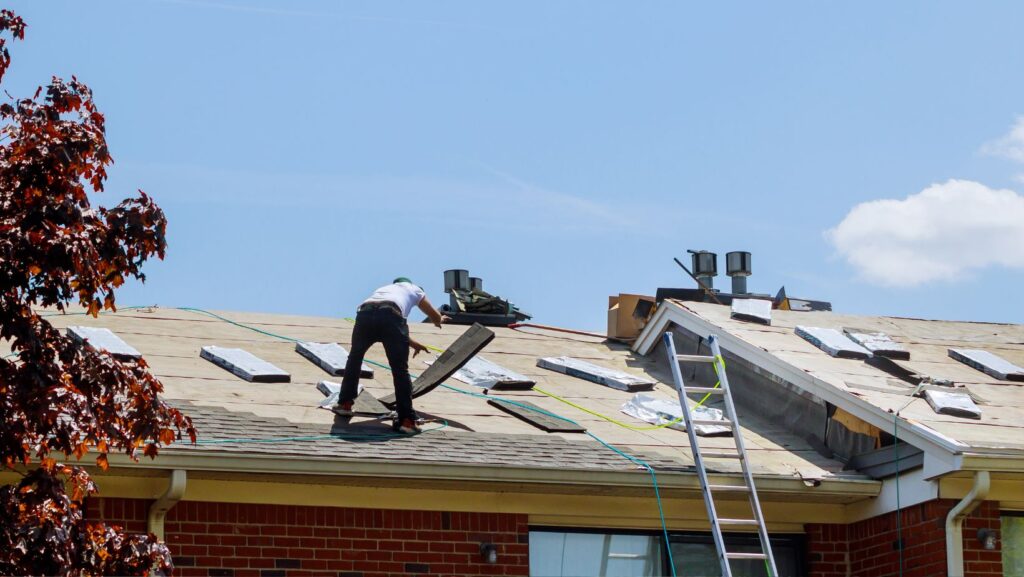
Your roof is one of the most important structural elements of your home, yet it is also one of the most commonly neglected. Because most roofing issues start small and develop out of sight, homeowners often delay action until visible damage appears. Unfortunately, by that stage, repair costs are usually much higher than they needed to be.
Understanding the early warning signs of roof damage can help you act before minor issues escalate. In this guide, we will walk through the most common signs your roof needs repairs and explain why ignoring them almost always leads to more expensive consequences.
In many cases, early intervention and choosing to repair your roof with an expert from a trusted provider can prevent structural damage, water ingress, and costly interior repairs.
Why Early Roof Repairs Matter
Roofing systems are designed to protect your home from weather, moisture, and temperature extremes. When even a small section fails, water and air can enter places they should not. Over time, this weakens structural materials, damages insulation, and creates conditions for mold growth.
What might begin as a cracked tile or loose metal sheet can quickly spread across a larger area. Acting early reduces repair scope, limits damage to surrounding materials, and preserves the overall lifespan of your roof.
Common Signs Your Roof Needs Repairs
Water Stains on Ceilings or Walls
One of the most obvious indicators of roof damage is water staining inside your home. Brown or yellow patches on ceilings or upper walls often point to an active leak. Even if the stain appears small or dries out between rain events, it still signals that moisture is entering the roof cavity.
Leaks rarely stay isolated. Water can travel along rafters and insulation before becoming visible, meaning the actual damage may be more extensive than it appears.
Missing, Cracked, or Curling Roofing Materials
If you notice missing shingles, cracked tiles, or metal panels that appear warped or lifted, your roof is no longer fully sealed. These defects allow wind and rain to penetrate beneath the surface, increasing the risk of internal water damage.
This type of damage is especially common after storms or prolonged exposure to heat and UV radiation.
Sagging or Uneven Roof Lines
A sagging roofline is a serious warning sign that should never be ignored. It may indicate structural issues caused by long-term water damage, rot, or excessive weight from trapped moisture.
If the roof appears uneven when viewed from the street, immediate professional inspection is essential to prevent further deterioration or potential collapse.
Granules in Gutters or Downpipes
For shingle roofs, excessive granules collecting in gutters can indicate advanced wear. Granules protect roofing materials from UV exposure, and when they begin shedding in large quantities, the roof becomes more vulnerable to cracking and leaks.
Metal roofs can show similar warning signs through rust flakes or corrosion debris.
Rust, Corrosion, or Loose Flashing
Flashing seals vulnerable areas around chimneys, vents, skylights, and roof edges. Rusted, loose, or improperly sealed flashing is a common cause of roof leaks.
Because flashing failures often occur in small sections, they are frequently overlooked until water damage becomes obvious inside the home.
Increased Energy Bills
Roof damage does not always show up as visible leaks. Poor insulation performance caused by roof gaps or moisture can lead to higher heating and cooling costs. If your energy bills increase unexpectedly, your roof may no longer be providing adequate thermal protection.
Hidden Damage Homeowners Often Miss
Moisture in the Roof Cavity
Moisture trapped in the roof cavity can remain undetected for months or even years. During this time, timber structures can rot, metal components can corrode, and mold can develop. By the time signs appear inside the home, repairs are often more complex and costly.
Pest Intrusions
Small roof openings provide easy access for birds, rodents, and insects. Once inside, pests can damage insulation, wiring, and timber supports. Pest-related roof damage often compounds existing issues, increasing overall repair costs.
Why Ignoring Roof Repairs Gets Expensive
Structural Damage Escalates Quickly
Water damage spreads. A minor leak can soak insulation, weaken ceiling materials, and compromise timber framing. Structural repairs are significantly more expensive than surface-level roof fixes.
Interior Repairs Add Up
Once water reaches the interior, costs extend beyond the roof itself. Ceiling replacement, wall repairs, flooring damage, and repainting can dramatically increase the total repair bill.
Mold Remediation Is Costly
Moist environments created by roof leaks are ideal for mold growth. Mold remediation requires professional treatment and may involve removing contaminated materials. This adds both cost and disruption to your household.
Insurance Claims May Be Denied
Many insurance policies do not cover damage caused by neglected maintenance. If an insurer determines that a roofing issue was ignored for too long, your claim may be partially or fully denied, leaving you responsible for the entire repair cost.
Reduced Property Value
A poorly maintained roof lowers your home’s resale value and can delay property transactions. Buyers often request roof inspections, and unresolved issues can result in price reductions or failed sales.
How Regular Inspections Save Money
Scheduling periodic roof inspections helps identify small issues before they escalate. Professional roofers can assess flashing, fasteners, drainage, and material condition to ensure the roof remains watertight.
Preventative maintenance costs far less than emergency repairs and can extend the life of your roof by many years.
When to Call a Professional
If you notice any of the signs discussed above, it is best to seek professional advice rather than waiting. Roofing specialists can accurately diagnose the cause of damage and recommend the most cost-effective solution.
Delaying action often turns manageable repairs into major restoration projects. Addressing problems early protects both your home and your budget.
Don’t Leave It Too Late
Your roof rarely fails without warning. The challenge is recognizing the signs early and understanding the financial consequences of ignoring them. From minor leaks to structural damage, roof issues tend to grow more expensive the longer they are left unaddressed.
By staying alert to common warning signs and arranging timely repairs, homeowners can avoid unnecessary stress, protect their property, and significantly reduce long-term costs.

 Abbukkhar Kangharnnia