
Luxury Vacation Homes and the Design Trends Homeowners Are Bringing Back Home
 Dpzhuk Znnkberin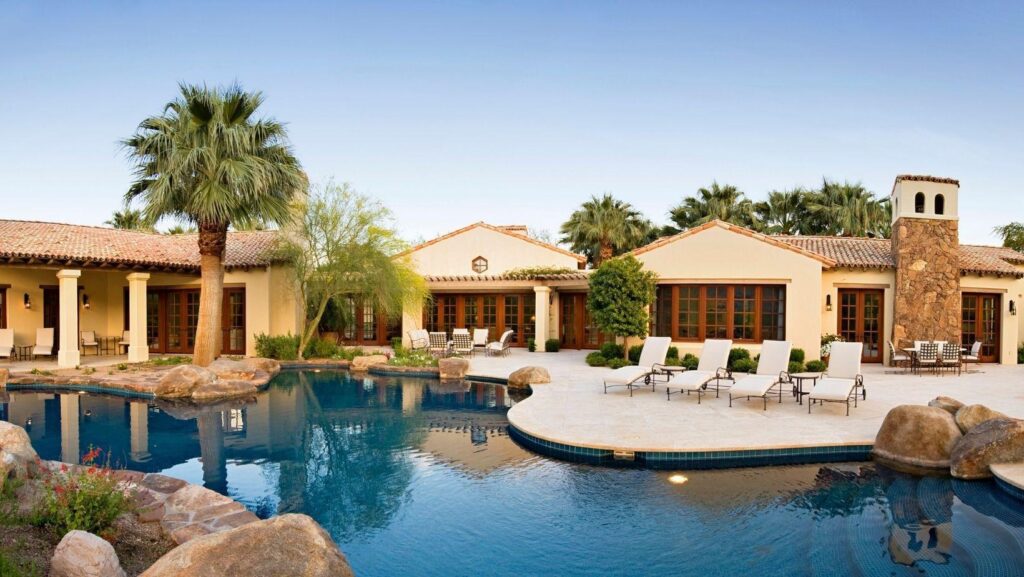
Luxury vacation homes have become more than places to sleep between sightseeing, dining, and outdoor adventures. For many travelers, the home itself is now part of the experience. A beautifully designed rental can make a stay feel slower, more comfortable, and more memorable, while thoughtful details can inspire ideas that homeowners eventually bring back to their own spaces.
This shift says something interesting about modern residential design. People are increasingly drawn to homes that feel relaxed without looking unfinished, sophisticated without feeling formal, and connected to their surroundings without sacrificing comfort. Vacation properties have become testing grounds for these ideas because they encourage homeowners and designers to think differently about how people actually live.
For travelers looking to experience this style firsthand, luxury Scottsdale vacation homes for memorable desert getaways offer an example of how upscale accommodations can combine comfort, privacy, entertaining spaces, and a strong sense of place.
Why Vacation Homes Influence Residential Design
A vacation home has a different design mission from a typical primary residence. Instead of accommodating the routines of one household every day, it needs to create an immediate sense of comfort and escape.
That makes vacation properties particularly useful for experimenting with design. A homeowner might discover that an oversized outdoor seating area is more enjoyable than a formal living room. A large kitchen island may become the natural gathering point for an entire group. A well-designed primary suite can make ordinary bedrooms feel unnecessarily cramped by comparison.
These experiences can change expectations.
After spending several days in a thoughtfully designed vacation property, travelers may begin asking why their own homes cannot provide some of the same comfort. The result is a gradual movement toward residential spaces that borrow elements traditionally associated with hospitality and resort design.
Indoor-Outdoor Living Becomes a Lifestyle
One of the strongest trends moving from vacation properties into residential homes is the blending of indoor and outdoor spaces.
In destinations such as Scottsdale, Arizona, the relationship between architecture and the surrounding landscape is especially important. Large glass doors, shaded patios, outdoor kitchens, pools, fire features, and comfortable seating areas can make exterior spaces feel like natural extensions of the home.
The idea is not simply to create a beautiful backyard. It is to make outdoor living practical.
When an outdoor area has comfortable furniture, lighting, shade, dining space, and convenient access to the kitchen, people are more likely to use it regularly. Instead of treating the patio as an occasional entertaining zone, homeowners can turn it into another everyday room.
This concept works in many climates. The specific materials and features may change, but the underlying principle remains the same: good design should encourage people to use more of the space they already have.
Resort-Style Comfort Comes Home
Luxury vacation properties have also changed the way people think about comfort.
Travelers are accustomed to hotel rooms with carefully selected mattresses, high-quality linens, generous bathrooms, layered lighting, seating areas, and small conveniences that make a space feel effortless. Luxury vacation rentals take this concept further by combining hotel-like amenities with the privacy and flexibility of a home.
Homeowners are increasingly recreating that feeling in their own properties.
Bedrooms may become more intentional, with comfortable seating, soft lighting, natural materials, and carefully chosen textiles. Bathrooms can be designed as personal retreats rather than purely functional rooms. Even small details such as towel storage, lighting temperature, and bedside charging can make everyday routines feel more considered.
The lesson is simple: luxury is often less about expensive objects and more about removing friction from daily life.
The Rise of Relaxed Luxury
Another design lesson coming from high-end vacation homes is the popularity of relaxed luxury.
Traditional luxury interiors sometimes emphasized formality, symmetry, and delicate materials. That approach can look impressive, but it is not always compatible with how modern families actually live.
Vacation homes tend to require a different balance. Guests want attractive surroundings, but they also want to put their feet up, prepare food, gather with friends, and move freely through the space.
As a result, contemporary luxury increasingly combines refined finishes with practical materials and comfortable furniture.
This approach can translate beautifully into permanent homes. Instead of choosing a sofa because it looks perfect in a photograph, homeowners are considering how it feels after a long day. Instead of designing a dining room that is used only during holidays, they are creating spaces that can accommodate homework, remote work, casual meals, and entertaining.
Luxury becomes more livable.
Natural Materials Create a Sense of Calm
Vacation homes often use natural materials to create a connection with their surroundings. Wood, stone, textured fabrics, woven materials, and earthy finishes can make an interior feel warm and grounded.
This is particularly effective in desert environments, where architecture can respond directly to the landscape through color, texture, and material selection.
Homeowners elsewhere are adopting similar ideas even when their surroundings are completely different. Natural materials can soften contemporary interiors and add visual depth without requiring excessive decoration.
The growing preference for organic textures also reflects a broader desire for calmer homes. After spending hours surrounded by screens, traffic, advertisements, and notifications, many people want their homes to feel visually quieter.
A restrained palette and tactile materials can help create that atmosphere.
Flexible Spaces Are Replacing Single-Purpose Rooms
Vacation properties must often accommodate different groups of people with different needs. A bedroom might function as a quiet workspace during the day. A large kitchen island might serve as a breakfast counter in the morning and a social gathering place in the evening.
That flexibility is increasingly valuable in permanent residences as well.
Remote work, hybrid schedules, changing family needs, and multi-generational living have made rigid room definitions less practical. Homeowners may prefer spaces that can change purpose without requiring a major renovation.
A spare bedroom can become a guest room and office. A media room can double as a children’s play area. A large landing or unused corner can become a reading space.
The best vacation homes demonstrate that flexibility does not have to mean sacrificing style. Good furniture placement, thoughtful storage, appropriate lighting, and adaptable architectural features can allow a space to serve multiple purposes while still feeling intentional.
Kitchens Are Becoming Social Spaces
The luxury vacation rental has also reinforced the idea that kitchens are not merely places for cooking.
When families travel together, the kitchen often becomes one of the busiest areas of the property. People prepare meals, talk, work, drink coffee, and gather around the island even when food preparation is not happening.
Homeowners are responding by designing kitchens around social interaction.
Large islands, comfortable counter seating, open layouts, generous lighting, and easy access to dining and outdoor spaces can make kitchens more inviting. Storage remains important, but the emphasis is increasingly on creating a room where people genuinely want to spend time.
The vacation experience demonstrates that functionality and hospitality can exist in the same space.
Outdoor Kitchens and Entertaining Areas
Outdoor entertaining is another idea that has moved beyond vacation properties.
A well-designed outdoor kitchen can include cooking equipment, refrigeration, counter space, storage, dining areas, and comfortable seating. When these elements are combined effectively, outdoor entertaining becomes much easier.
The design principle is particularly relevant in warm-weather destinations, where outdoor living can continue for much of the year.
Homeowners do not necessarily need a complete outdoor kitchen to apply the idea. A shaded dining area, comfortable chairs, ambient lighting, and a convenient serving station can transform an ordinary patio into a more useful extension of the home.
The emphasis should always be on how the space will actually be used.
Bathrooms Inspired by Boutique Hotels
Bathrooms are another area where vacation design influences residential expectations.
Travelers often encounter spa-like bathrooms featuring large showers, freestanding tubs, double vanities, attractive lighting, high-quality fixtures, and carefully selected materials. After experiencing that level of comfort, a purely utilitarian bathroom can feel noticeably less appealing.
Residential bathrooms are increasingly incorporating similar ideas.
However, the most successful designs do not necessarily depend on extravagant spending. Better lighting, improved storage, quality fixtures, natural textures, and a more thoughtful layout can make a significant difference.
The broader lesson is that ordinary routines can feel more enjoyable when the environment supporting them is carefully designed.
Lighting Is Becoming More Layered
Lighting is one of the easiest design elements to underestimate.
Luxury vacation homes often use multiple sources of light rather than relying on a single overhead fixture. Ambient lighting creates general illumination, task lighting supports specific activities, and accent lighting highlights architectural or decorative features.
Homeowners are increasingly applying the same principle.
Layered lighting can help a home transition throughout the day. Bright task lighting may be useful in the kitchen during meal preparation, while softer lamps can make the same space feel more relaxed in the evening.
This approach also demonstrates that luxury does not always require major structural changes. Sometimes changing the lighting can dramatically alter how a room feels.
Technology That Disappears Into the Design
Smart-home technology is another feature commonly found in luxury vacation properties. Guests increasingly expect convenient control over lighting, temperature, entertainment, security, and other household systems.
But the most successful technology often feels almost invisible.
Instead of allowing devices to dominate an interior, modern design tends to integrate technology into the architecture. Speakers can be discreet, televisions can blend into walls or cabinetry, and smart lighting can operate without cluttering the room with switches and controls.
Homeowners are beginning to view technology as infrastructure rather than decoration.
The goal is not to fill a house with gadgets. It is to use technology where it genuinely improves comfort, convenience, and efficiency.
Designing for the Experience, Not Just the Photograph
Perhaps the most important lesson luxury vacation homes offer homeowners is that good design should be experienced rather than simply photographed.
An attractive room is valuable, but a room that feels comfortable, functions naturally, and encourages people to spend time together is even more successful.
This is why vacation properties can have such a strong influence on residential design. They expose people to different ways of living. A traveler may realize that an outdoor breakfast area changes their morning routine, that a comfortable lounge encourages longer conversations, or that a beautifully organized kitchen makes cooking feel less like a chore.
Those observations can become design inspiration once they return home.
Bringing Vacation Inspiration Into Your Own Home
Homeowners do not need to replicate an entire luxury vacation property to benefit from its design ideas.
The more useful approach is to identify what made the space feel special. Perhaps it was the way natural light moved through the rooms. Maybe the outdoor area encouraged more time outside. Perhaps the bedroom felt peaceful because there was less visual clutter.
Those experiences can then inform practical changes at home.
A patio can become more inviting with comfortable furniture and shade. A bedroom can feel more luxurious through better lighting and textiles. A kitchen can become more social by improving seating and circulation. A bathroom can feel more relaxing with natural materials and thoughtful storage.
The key is translating the feeling rather than copying the appearance.
Why Scottsdale Continues to Inspire Luxury Design
Scottsdale’s distinctive environment makes it particularly interesting as a source of residential design inspiration. The desert landscape encourages architects and designers to think carefully about shade, natural materials, outdoor living, water features, views, and the relationship between built spaces and nature.
Luxury vacation properties in the area showcase how these elements can work together.
Experiencing these environments can provide homeowners with ideas that are difficult to discover through photographs alone. Seeing how a room connects to a patio, how furniture encourages conversation, or how materials respond to the surrounding landscape can change the way someone thinks about their own home.
The Future of Residential Luxury Is More Personal
The influence of luxury vacation homes on residential design is unlikely to disappear. If anything, it reflects a larger change in what people expect from their living spaces.
Luxury is becoming less about showing wealth and more about creating quality experiences. Homeowners want spaces that feel comfortable, adaptable, connected to nature, and genuinely enjoyable to use.
That means the most influential design trends may not be the most dramatic ones. They may be the subtle changes that make everyday life better: a shaded place to enjoy coffee, a bedroom that feels restful, a kitchen that brings people together, or an outdoor area that encourages conversation after sunset.
Vacation homes provide a glimpse of these possibilities because they are designed around the idea of escaping routine. When people return home and realize which elements made that escape feel special, those ideas naturally find their way into residential design.
Conclusion
Luxury vacation homes are doing more than providing beautiful places to stay. They are changing the way homeowners think about comfort, functionality, outdoor living, and personal space.
From indoor-outdoor layouts and resort-inspired bathrooms to flexible rooms, natural materials, layered lighting, and social kitchens, many of today’s residential design ideas are rooted in experiences people first encounter while traveling.
The most valuable takeaway is not to copy a vacation property room by room. Instead, homeowners can consider what made the experience memorable and translate those principles into their own surroundings. A home can feel luxurious because it is comfortable, practical, calming, and designed around the way people actually live.
As residential design continues to evolve, the boundary between vacation-inspired luxury and everyday living will likely become even less distinct. The homes people love most may ultimately be those that capture the best feeling of a getaway while still feeling unmistakably like home.

 Gary Cripps

 Nophyn Tesil


