Why Vertically Stacking Glass Garage Doors Are a Game-Changer for Restaurant Design
 Gary Cripps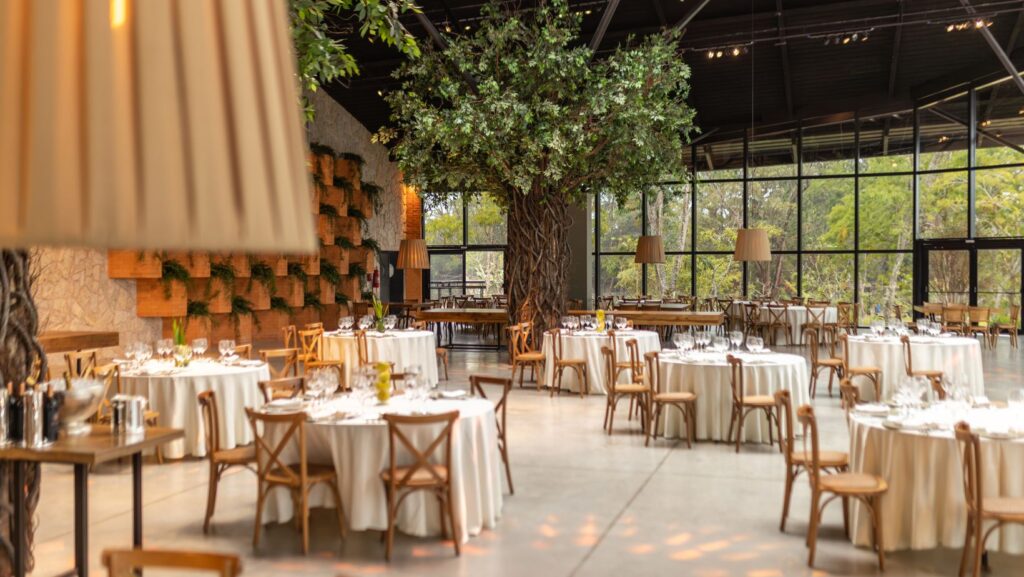
Dining has become about more than just the food — it’s about the experience and environment the restaurant delivers. People look forward to having a great meal in a place that’s dynamic, authentic and rich in ambience. To meet patrons’ demands, more establishments are turning their spaces into multi-use venues and blending indoor comfort with outdoor views.
Vertically stacking systems have become a popular choice among restaurants. Unlike traditional doors and rigid layouts, these structures give establishments the freedom and efficiency to transform their space however and whenever they want. For design and remodeling firms, understanding the system and how it’s incorporated is key to delivering future-forward, high ROI projects for clients.
The Challenge With Conventional Doors in Restaurant Layouts
Sectional doors pose both functional and aesthetic challenges for restaurants. Since these doors are rigid, they dictate many other elements of the interior design, from where pendant lighting goes and which ceilings are possible to the placement of HVAC systems. This means design companies are less able to fully maximize space and fulfill clients’ vision. Sectional doors also create significant visual clutter due to their tracks and springs, making restaurants look and feel less high-end.
Bi-fold or sliding doors, on the other hand, take up a lot of space. When they open, they either stack against an adjacent wall or tuck into a custom-built wall cavity. Both of these spaces could be used for additional seating, decorations or other design elements. Because they take up significant horizontal space, these doors affect furniture placement and create an awkward flow for foot traffic, especially in smaller spaces.
Rolling steel doors are also a popular option among restaurants. However, these doors give spaces an industrial look, which doesn’t suit every restaurant. Since the door retracts into the canister above, it also cuts vertical space and prevents a seamless, light and open feel in the establishment.
The Technical Advantages of Vertically Stacking Doors
Vertical stacking systems lift insulated glass panels straight up and stack them neatly above the opening, eliminating the need for overhead tracks. Aside from opening up the ceiling, they also serve as a thermal barrier without boxing in the space. Heat gain and loss through windows accounts for 25%-30% of heating and cooling energy use in residences. That is why commercial-grade insulated glass can help keep the space warm during winter days, reducing heating system costs for many restaurant owners.
Some of the other technical advantages of vertical stacking systems include:
- Unobstructed ceilings
- Minimal required headroom and wall projection
- No visible hinges and stacks
- Broader usable floor space
- No interference with fixtures
- Hidden key mechanisms
The game-changing compactness of vertically stacking glass garage doors allows designers to use as much space as possible, whether by hanging lighting, highlighting vertical space with decor or emphasizing the unobstructed view from inside. As a leading manufacturer of residential and commercial doors, Clopay has been at the forefront of developing these advanced, space-saving systems.
One of the best full-view glass garage doors for restaurants is Clopay’s VertiStack™ Clear Door. This system’s unique mechanism lifts and consolidates the glass panels straight up, stacking them compactly to preserve maximum ceiling height. The design eliminates the need for the bulky overhead tracks and visible hinges that clutter conventional sectional doors, delivering a clean, unobstructed aesthetic. The floor-to-ceiling full-view glass creates a seamless transition to the outdoors, bathing the interior in natural light and making the entire space feel more expansive.

By combining sophisticated visual appeal with a durable, functional design, vertically stacking glass garage doors helps restaurants create the dynamic, flexible dining experience modern patrons want.
How Vertically Stacking Glass Garage Doors Drive Restaurant Success
Vertically stacking doors offer various benefits for restaurants, including maximizing space, especially on good-weather or high-demand days when interior seating capacity is full. Here’s how both restaurants and their patrons can benefit from this structure.
Creating an Unforgettable Customer Experience
Since vertically stacking doors bridge the gap between the indoors and outdoors, many restaurants can create an al fresco dining area on demand. The full glass panel also allows natural light into the space, making it more comfortable and encouraging restaurant patrons to return or recommend the place to others.
The doors are also great for establishments with several distinct moods in a single day. For instance, a restaurant might want an open and breezy feel during breakfast or happy hour, but a closed and intimate feel for fine dining in the evening. This flexibility allows them to easily adapt the space and attract a broader range of diners.
Improving Operations and Increasing Revenue
Vertically stacking doors are energy-efficient. Their insulated glass materials and frames help control thermal transfer and manage HVAC costs. These doors can also replace a sunroom wall, turning the space into a four-season patio that generates income year-round.
Moreover, these doors allow restaurants to expand seating capacity in seconds, increasing potential revenue with minimal changes or renovations. Vertically stacking doors also works great as flexible partitions for private events. The glass looks premium, but it can be easily tucked away when a larger space is needed, unlike permanent walls.
Building a Memorable Brand Identity
Since these doors are very distinctive, establishments can use them as their signature architectural element. In an industry as competitive as hospitality, ensuring people remember the restaurant helps build a strong presence. Frequent passersby may be intrigued by the disappearing glass wall and ultimately visit or become a regular. It’s all about bringing people inside the establishment.
Moreover, the sophisticated design sends a powerful message that the restaurant is forward-thinking and high-quality. Everything else appears elevated — the food, the decor and the service. The floor-to-ceiling door overlooking the outside view can serve as a visual centerpiece and an Instagrammable spot for user-generated marketing.
Technical Guidance for Design and Build Teams
To leverage the benefits of vertically stacking doors, collaborate early with a structural designer. The door’s load is transferred to the header and jambs, which need an appropriate and efficient design to handle them. A structural designer can offer expertise in this area. For some geographic regions or for large openings, wind load requirements also need to be taken into account.
Vertically stacking doors don’t require just a simple motor. Restaurants can choose to integrate the door into their building automation systems for easy, scheduled openings and closings via a central panel. These doors also have safety features such as photo-eye sensors and obstruction detection, making them a great way to ensure safety in public commercial buildings.
These doors are made from commercial-grade extruded aluminum, making them lightweight and highly corrosion-resistant. Look for door systems with 25,000-cycle torsion springs, like the VertiStack™ Clear Door from Clopay, as they ensure durability and reliability, helping businesses avoid long-term repair downtime.
Clients can choose finishing options from standard anodized colors to custom powder coating, depending on the establishment’s branding or interior design. They can also choose from a variety of glass panels, including Low-E coatings for UV protection and solar heat gain control, and laminated glass for extra privacy and sound reduction. Tints are also available for glare control and further customization.
Why Vertical Stacking Doors Are a Long-Term Trend
Vertically stacking doors have seen success in dining establishments, but their use doesn’t stop there. The technology is being used in other commercial spaces such as high-end retail storefronts, event venues and even office designs.
Many use these doors to bring nature and the outside world into the space, especially in green buildings. This shows that this system is not a passing trend but has become a mainstay in many establishments. As technology continues to advance, these doors will only become more innovative and sleeker, making them a worthy investment.
FAQs
Here are some of the most common questions about installing vertically stacking doors, especially for commercial areas.
Are Vertically Stacking Glass Garage Doors Only for Warm Climates?
No, the doors’ insulated glass and insulated frame act as an efficient thermal barrier against the cold. It provides exterior views and natural light even in winter, with minimal energy loss. These make the doors ideal for year-round use in temperate climates.
Is the Maintenance Complex and Expensive?
Vertically stacking doors often have fewer complex moving parts than their counterparts, so maintenance is not necessarily complex or costly. Sectional doors, for example, have curves and multiple hinges. As such, long-term maintenance for vertically stacking doors is often straightforward. The materials used are also commercial-grade, durable and designed specifically for heavy use.
Is the ROI Worth the Initial Investment?
Yes, the ROI is often worth the initial cost of investing in vertically stacking glass garage doors. These doors can generate revenue by increasing seating capacity, allowing partitions for private events, and creating a distinct and inviting dining space.
Building the Next Generation of Dining Experiences
Doors are the first point of contact diners have with a restaurant, shaping the entire experience. They have evolved from rigid sectional doors, space-heavy sliding doors and industrial rolling steel doors to space-saving, aesthetic vertical stacking systems. These doors are becoming more popular among food establishments as they provide a seamless indoor-outdoor experience, allow room for innovative designs, and hide hinges and stacks.
As the largest manufacturer of garage doors in the country, Clopay is leading the industry in creating and innovating durable, efficient and aesthetically pleasing products. By incorporating these vertical stacks into layouts, design firms and remodelers can improve spaces and deliver tangible benefits for their clients.