Gary Cripps
Deciding whether to repair or replace a hot water tank depends on several key factors. If your unit is less than 8 years old and experiencing a minor issue – such as a faulty heating element, a tripped limit switch, or a leaky valve – a professional repair is often the most economical choice. However, if the tank is over 10 to 12 years old, shows signs of rust or sediment buildup, delivers inconsistent hot water, or requires frequent fixes, replacement is usually the smarter long-term investment. Age, efficiency, repair history, and safety should all guide your decision – not just the immediate inconvenience.
There’s nothing quite like the shock of icy water mid-shower on a frosty Canadian morning to remind you how much you rely on a functioning hot water system. Beyond comfort, hot water is essential for sanitation, laundry, dishwashing, and even heating in some homes. When your tank falters, the urgency to fix it can cloud judgment – leading some to overspend on repeated repairs or rush into a replacement before it’s truly necessary.
The truth is, most hot water issues fall into a grey area where either option could make sense – depending on your unit’s age, type, and condition. Understanding the difference between a temporary glitch and a sign of systemic failure can save you hundreds of dollars and prevent future headaches. If you’re weighing your options and need a trustworthy assessment, support for water heater repair in Calgary is available to help you navigate the decision with confidence – whether you’re in a heritage home in the inner city or a newer build in the suburbs.
Signs It’s Time to Repair Your Hot Water Tank
Not every hot water hiccup means your tank is on its last legs. In fact, many common issues are straightforward to fix – especially when caught early. A repair can extend your system’s life by several years and cost a fraction of a full replacement, making it a smart move if your unit is still relatively young and in decent condition.
Look for these telltale signs that point to a repairable issue:
- Water isn’t as hot as it used to be: This could stem from a malfunctioning thermostat or a burned-out heating element – both common in electric models.
- Popping or rumbling noises: Often caused by sediment buildup at the bottom of the tank. A professional flush can usually resolve this and restore efficiency.
- Small leaks around valves or pipe connections: These are typically due to worn gaskets or loose fittings, not a failing tank.
- Pilot light won’t stay lit (on gas models): Frequently tied to a faulty thermocouple, which is an inexpensive and quick fix.
- Tripped breaker or blown fuse (electric models): May indicate a shorted element or wiring issue that a licensed technician can safely address.
If your system is under 8 years old and this is an isolated incident, hot water tank repair is likely your best path forward. It’s also worth noting that many of these issues can be avoided altogether with consistent care – something we’ll revisit when discussing long-term upkeep.
When Replacement Is the Better Option
Sometimes, no amount of patching or part-swapping will restore a hot water tank to reliable service. In these cases, replacement isn’t just an upgrade – it’s a necessary step to protect your home, your budget, and your comfort. The key is recognizing when your system has crossed the threshold from “fixable” to “failing.”
Age and Lifespan Considerations
Most standard hot water tanks have a functional lifespan of 10 to 12 years in Canadian homes. Tankless models can last 15 to 20 years with proper care. Once a unit exceeds this range, internal components – like the anode rod, heating elements, or tank lining – begin to degrade beyond practical repair. Even if it’s still working, an aging tank is a ticking time bomb for leaks or sudden failure.
Energy Efficiency and Rising Utility Bills
Older tanks lose insulating effectiveness over time, and sediment buildup forces them to work harder to maintain temperature. If you’ve noticed a steady climb in your gas or electricity bills without changes in household usage, your water heater may be operating at well below modern efficiency standards. Newer models, especially condensing gas units or ENERGY STAR–rated electric tanks, can cut water heating costs by 10% to 30%.
Frequent Repairs and Declining Performance
If you’ve needed two or more service calls in the past year, or if hot water runs out faster than it used to (even after flushing), your tank is likely struggling with irreversible wear. Repeated repairs on an aging system rarely pay off – especially when a new unit offers better reliability and lower operating costs.
Visible Damage or Safety Concerns
Rust on the exterior, moisture pooling beneath the unit, or a corroded base are serious red flags. Unlike a leaky valve or loose fitting, a compromised tank shell cannot be repaired. A rupture could lead to significant water damage – particularly in finished basements, which are common in Canadian homes. In such cases, prompt replacement isn’t just wise; it’s a preventative measure against costly insurance claims.
This is also the stage where homeowners often reconsider their system type. For example, switching from a standard electric hot water tank to a high-efficiency gas hot water tank – or even a tankless model – can align better with long-term household needs and energy goals. But that decision should follow a clear understanding of your usage patterns and home infrastructure, ideally supported by professional water heater installation guidance to ensure safety and code compliance.
Repair vs. Replace: A Decision-Making Comparison
When you’re standing in a damp basement or staring at a cold showerhead, it’s easy to make a rushed decision. But a thoughtful comparison can clarify the best path forward. Below is a practical framework to help you weigh repair against replacement based on real-world factors – not guesswork.
| Consideration | Lean Toward Repair | Lean Toward Replacement |
| Age of Unit | Under 8 years | Over 10–12 years |
| Nature of Problem | Isolated issue (e.g., faulty valve, thermostat) | Systemic failure (e.g., tank corrosion, repeated leaks) |
| Repair Cost | Less than 50% of a new unit’s price | Approaching or exceeding half the cost of replacement |
| Energy Use | Bills stable; unit meets current efficiency norms | Noticeable increase in gas or electricity usage |
| Performance | Recovers quickly; consistent hot water | Slow recovery; runs out during normal use |
| Maintenance History | Regular care; few past issues | Neglected; frequent breakdowns |
Beyond the numbers, consider your household’s hot water demands. A growing family may outgrow an older 40-litre tank, while a retired couple might benefit from switching to a compact, efficient model. Similarly, if you’ve been curious about upgrading to a tankless system for its space savings and on-demand supply, this could be the ideal moment – especially if your current water heater installation setup allows for it without major retrofitting.
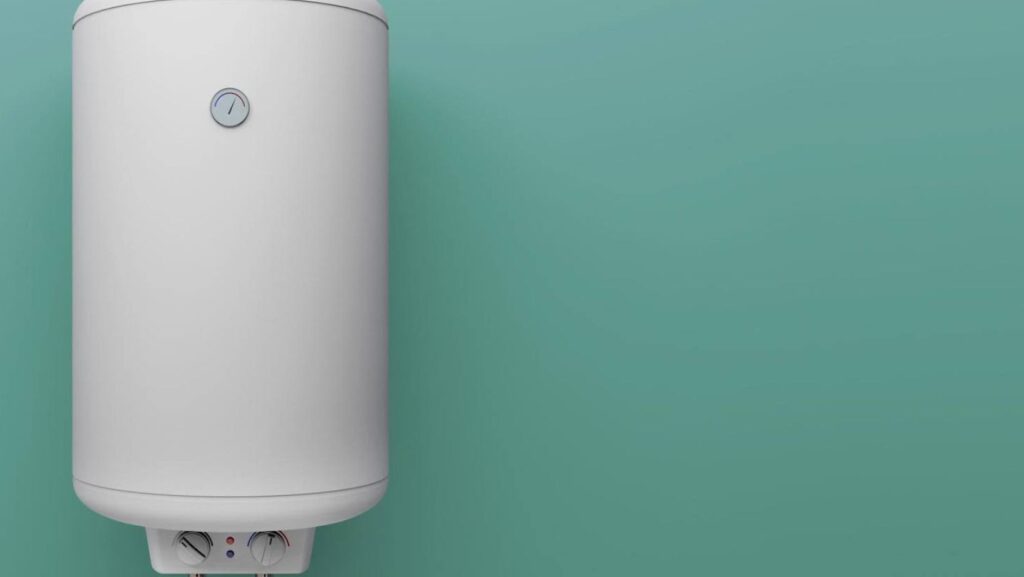
And remember: even a brand-new tank won’t last its full lifespan without proper care. Simple habits – like annual flushing in hard water areas or checking the anode rod every few years – can make a big difference. For more on keeping your system running smoothly, water heater maintenance tips are worth exploring before you even face a crisis.
Final Thoughts: Making a Smart, Informed Choice
Choosing between repair and replacement for your hot water tank isn’t just about fixing today’s problem – it’s about safeguarding your home’s comfort, efficiency, and safety for years to come. A well-maintained system can serve reliably for over a decade, but ignoring warning signs like age, inconsistent performance, or visible wear can lead to unexpected breakdowns, water damage, or inflated energy bills.
Remember: the cheapest short-term fix isn’t always the most economical long-term. Investing in a new, energy-efficient unit may cost more upfront, but it often pays dividends through lower utility costs, fewer service calls, and greater peace of mind – especially in colder Canadian climates where hot water demand stays high for much of the year.