Gary Cripps
In recent years, home kitchen designs have undergone a significant transformation, driven by technological advancements and a growing demand for energy efficiency and sustainability. Among the most exciting innovations in kitchen appliances is the development of Invisible Induction Worktops, which blend cutting-edge technology with sleek design. These worktops not only elevate the aesthetic appeal of a kitchen but also offer several benefits in terms of energy efficiency and sustainability. This article delves into how Invisible Induction Worktops are reshaping the culinary landscape, providing homeowners with a modern solution that is both practical and eco-friendly.
The Rise of Invisible Induction Technology
Induction cooktops have long been appreciated for their fast cooking times and energy-efficient nature. Traditional induction hobs use magnetic fields to generate heat directly in the cookware, reducing energy wastage compared to gas or traditional electric stoves. However, a new level of innovation has emerged with Invisible Induction Worktops, which integrate induction technology seamlessly into the surface of the worktop itself.
Unlike conventional induction cooktops that are typically installed as standalone appliances, Invisible Induction Worktops are built into the countertop material, offering a sleek, minimalistic design. This design eliminates the need for bulky stovetops and stovetop hoods, providing homeowners with an uncluttered and modern kitchen environment. The hidden induction coils are embedded within the surface, allowing the worktop to double as both a cooking and preparation space.
Energy Efficiency: A Key Advantage
One of the most significant advantages of Invisible Induction Worktops is their energy efficiency. Induction cooking itself is inherently more efficient than traditional cooking methods. According to the U.S. Department of Energy’s guide on induction cooktops, induction appliances can be up to three times more efficient than gas stoves and offer higher efficiency than traditional electric options, making them a smart choice for homeowners focused on energy savings and sustainability, also the induction cooktops can convert about 85-90% of the energy used into heat, compared to gas stoves that only convert about 40% and electric coil stoves that are around 70% efficient. This direct heat transfer results in faster cooking times and less wasted energy.
With Invisible Induction Worktops, the efficiency of induction technology is further optimized. Since the induction coils are directly embedded in the worktop, the heat is delivered more evenly and directly to the cookware, reducing the time it takes to bring ingredients to the desired temperature. This is especially beneficial for busy households or professional kitchens where time and energy savings are crucial.
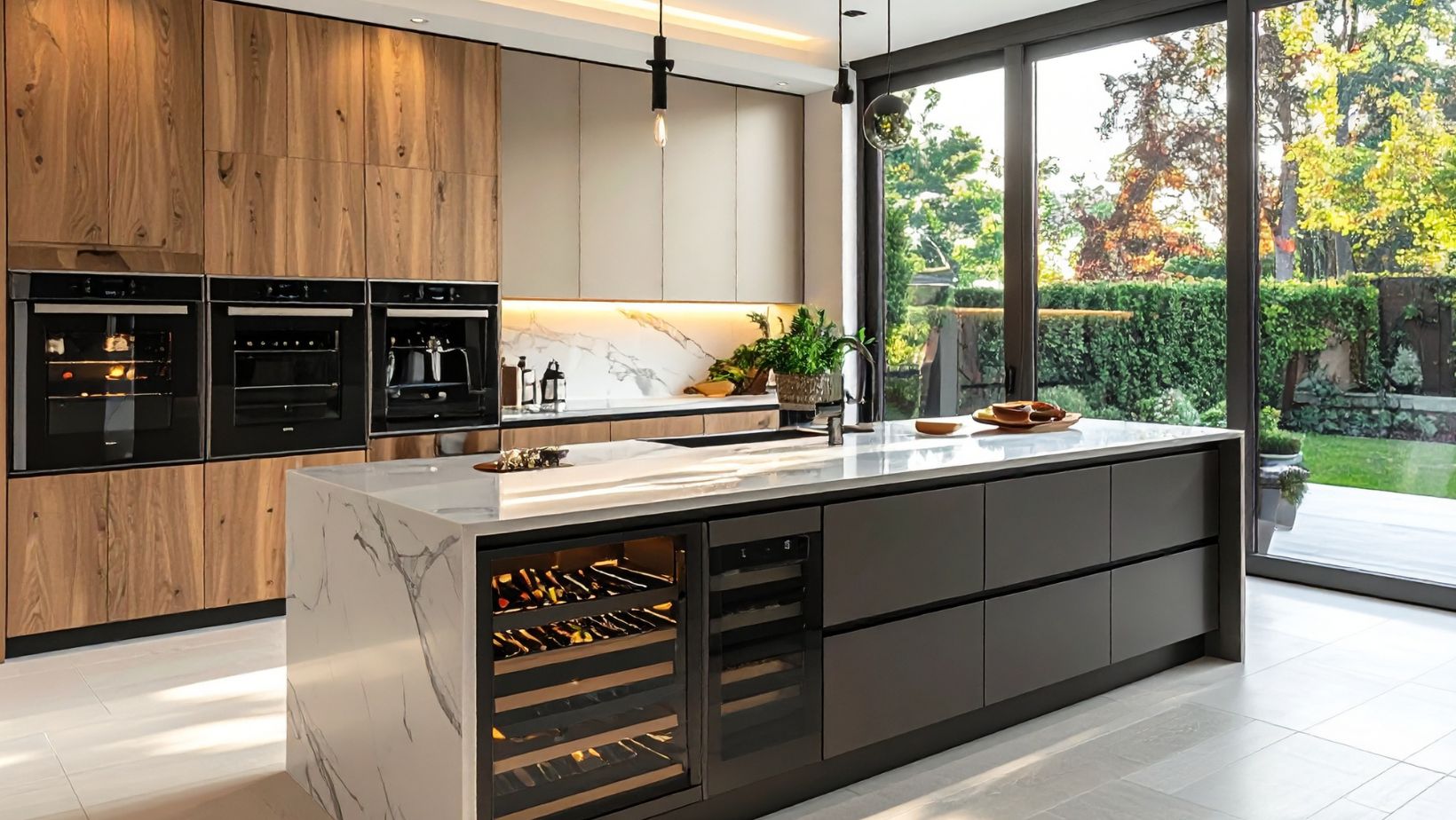
Moreover, these worktops typically feature advanced sensors that detect the presence of cookware. When a pot or pan is placed on the surface, the induction system automatically activates, ensuring that energy is only used when necessary. This “smart” functionality minimizes unnecessary energy consumption, making Invisible Induction Worktops a highly energy-efficient option for modern kitchens.
Sustainability Benefits: Reducing Environmental Impact
As sustainability becomes an increasingly important consideration in household design, Invisible Induction Worktops offer several eco-friendly benefits. The first major environmental advantage is their energy efficiency. By using energy more effectively, these worktops reduce the amount of electricity consumed during cooking, which in turn lowers carbon emissions associated with electricity generation. This can significantly reduce the overall environmental footprint of a household, especially if the home is powered by non-renewable energy sources.
Furthermore, the materials used in Invisible Induction Worktops are often chosen for their sustainability. Many of these worktops are made from durable, long-lasting materials like quartz, granite, or recycled composites, which have a lower environmental impact compared to other kitchen materials. The longevity of these materials means that homeowners won’t need to replace their worktops as frequently, reducing waste and the need for new resources.
Invisible Induction Worktops also promote a cleaner kitchen environment. With no visible burners or grates, these surfaces are easier to maintain and clean. Since induction cooking does not involve open flames or hot coils, there is less risk of food residue burning onto the surface, making cleaning more efficient and reducing the need for harsh cleaning chemicals. This contributes to a healthier and more sustainable cooking environment.
Design and Functionality: A Seamless Kitchen Experience
In addition to the environmental and energy efficiency benefits, Invisible Induction Worktops offer homeowners a unique opportunity to integrate cooking technology into the kitchen design in a way that was previously unimaginable. The sleek, modern appearance of these worktops enhances the aesthetic appeal of any kitchen, offering a minimalist, cutting-edge look that is easy to maintain.
The invisible nature of the induction technology also provides increased flexibility in kitchen design. Homeowners can create expansive, uninterrupted workspaces, making it easier to prep ingredients, perform culinary tasks, and move between cooking zones without being restricted by traditional cooktop layouts. The clean, smooth surface of Invisible Induction Worktops makes them a versatile option for modern kitchen renovations, providing the flexibility to integrate other features like integrated sinks, dishwashers, or storage solutions.
Another noteworthy feature is the intuitive controls found in many Invisible Induction Worktops. Many models feature touch-sensitive interfaces that allow for precise control of cooking temperatures and power levels, providing a high degree of customization. Some systems even include smart technology that allows users to control cooking settings remotely via a smartphone or other devices. This level of control not only enhances the cooking experience but also contributes to the overall energy efficiency of the system.
The Future of Kitchen Technology
Invisible Induction Worktops represent the future of kitchen technology, combining the best elements of sustainability, energy efficiency, and modern design. As technology continues to evolve, it is likely that we will see even more advanced features incorporated into these worktops, further improving their functionality and eco-friendliness. For instance, the integration of AI-powered cooking assistants could further optimize cooking processes, ensuring that meals are prepared with minimal energy waste while offering users helpful tips and guidance.
The growing interest in sustainable living and energy-efficient home appliances suggests that Invisible Induction Worktops are likely to become more common in kitchens around the world. With their combination of modern design and environmental benefits, they are poised to become a staple in eco-conscious homes and commercial kitchens alike.
Conclusion
Invisible Induction Worktops offer a remarkable combination of energy efficiency, sustainability, and sleek design, making them a smart choice for homeowners looking to reduce their environmental footprint while enjoying the latest in kitchen technology. By harnessing the power of induction cooking and integrating it into the worktop surface, these innovative cooktops not only save time and energy but also help create a cleaner, more eco-friendly kitchen environment.
As awareness of sustainability and energy efficiency grows, it is clear that Invisible Induction Worktops will play a central role in the future of kitchen design. Their ability to streamline the cooking process, reduce waste, and minimize environmental impact positions them as a key player in the ongoing movement towards greener, more sustainable homes.