How Early Fabricator Involvement Improves Design, Budget, and Build Speed
 Gary Cripps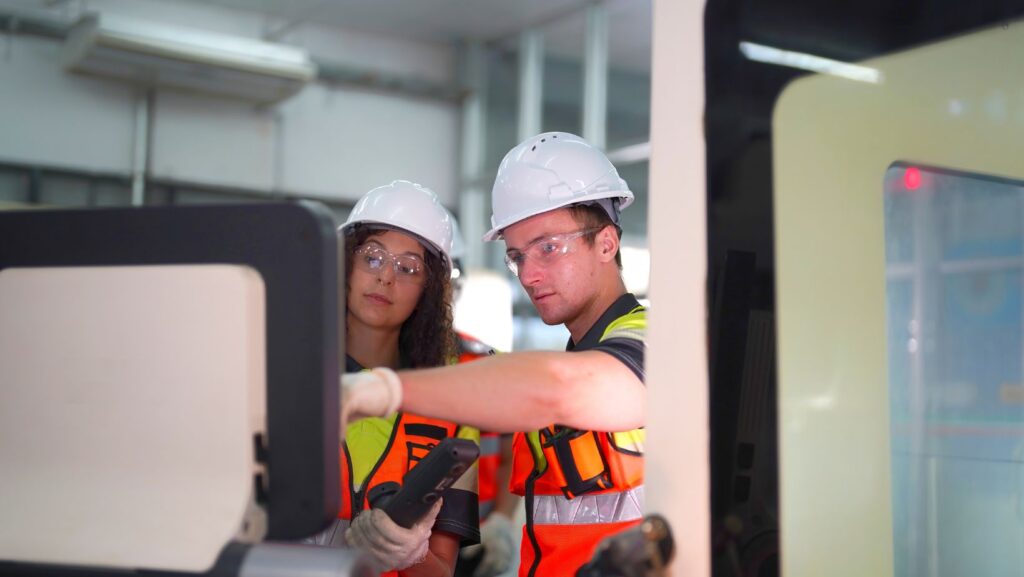
In construction and manufacturing, timing is about when key experts are brought into the conversation. Traditionally, fabricators have been engaged late in projects, only after designs are finalized. However, a growing body of industry experience shows that involving the fabrication partner early delivers significant benefits for design quality, budget accuracy, and build speed. This shift from a sequential process to a more collaborative one transforms how projects are planned and executed.
Smarter Design Through Practical Expertise
Early fabricator involvement means bringing in the specialists who will build the components at a stage when their input can genuinely influence decisions. Fabricators understand real-world constraints like material availability, installation challenges, tolerances, and fabrication feasibility.
When fabricators participate early, they help identify design issues before they become costly problems. For example, they might recommend alternative materials that are easier to procure or work with, suggest modifications that simplify assembly without compromising function, or flag constructability issues that would otherwise emerge on site. Addressing these factors in the design phase avoids late-stage redesigns and keeps the project aligned with performance goals.
More Accurate Budgets and Cost Control
One of the biggest uncertainties in project cost estimation comes from assumptions made early in design. Without a fabricator’s insight, designers may rely on estimates that don’t reflect current material costs, fabrication labor rates, or lead times. By involving the fabricator during early design, teams can ground budget forecasts in up-to-date, real-world pricing data.
This leads to more reliable budgets and fewer surprises later on. When cost concerns are identified early, designers and owners can make informed decisions about where to invest and where to value-engineer without compromising structural or functional requirements. Because changes are cheaper to implement in early design stages than during construction, early collaboration significantly reduces the risk of cost overruns and budget escalations.
Faster Build Times Through Better Planning
Engaging fabricators upfront also accelerates construction schedules. Traditional project delivery models often result in delays due to change orders and redesigns once fabrication begins. By inviting fabricators into the design phase, potential issues are detected and resolved early, meaning the production process starts with fewer uncertainties.
Early involvement enables better planning around procurement and production sequencing. Fabricators can advise on long-lead items, optimal fabrication workflows, and opportunities for prefabrication that reduce on-site work and shorten timelines. When fabrication feeds directly from a coordinated, buildable design, field installation flows more smoothly and reliably.
Stronger Team Alignment and Risk Management
Involving fabricators early fosters better communication across the project team. When designers, engineers, and fabricators work together from the start, they share a deeper understanding of project goals and constraints. This alignment reduces misunderstandings and improves decision-making as issues arise.
It also improves risk management: early collaboration means risks related to constructability, material supply, and scheduling are identified sooner and mitigated proactively rather than reactively. The result is a calmer, more predictable project rhythm with fewer costly disruptions.
Conclusion
When fabricators are engaged early in the process, project outcomes improve across the board. Design becomes more practical and cost-effective, budgets are grounded in real world data, and construction timelines tighten. As industry professionals increasingly recognize the advantages of early collaboration, this integrated approach continues to set the standard for smarter, faster, and more efficient building.