
 Avedyn Phytes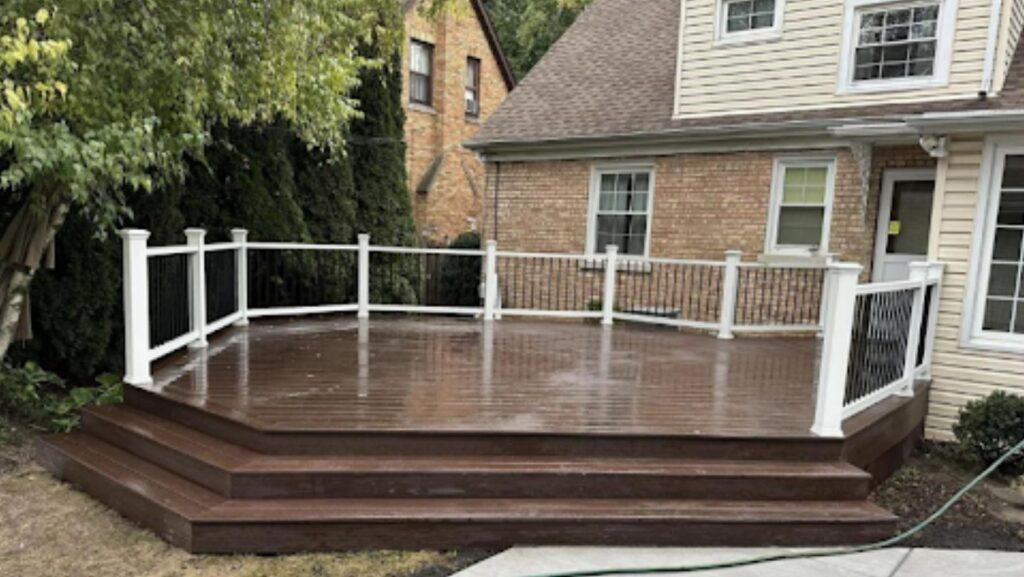
Building a new outdoor space involves choosing between a solo project and hiring a professional deck builder. This decision affects the total cost, the speed of construction, and the final quality of the structure. It often comes down to a choice between the rewarding feeling of a DIY project and the professional’s expert precision. Understanding the specific requirements for foundations and local codes helps determine which path fits your skill level.
DIY projects usually appeal to those with a set budget and basic carpentry skills. You need a specific set of tools, including a miter saw, an impact driver, and a laser level, for accurate grading. Material handling takes significant physical effort. Standard pressure-treated lumber weighs about 2.5 to 4 pounds per board foot when wet. For a typical 12-foot board, this can result in significant weight that requires physical stamina.
Technical Challenges Of DIY Construction
Building a deck solo involves several complex stages that go beyond simple wood assembly:
- Permit applications and local zoning laws.
- Calculation of joist spacing for composite materials.
- Correct installation of flashing to prevent house rot.
- Handling heavy structural posts and concrete.
While these challenges can be daunting for a solo builder, hiring a professional contractor mitigates these risks. Professional contractors bring specialized equipment and a deeper understanding of soil stability. They know how to handle different wood species and PVC-based materials. A contractor manages the logistics of delivery and debris removal. This removes the need for the homeowner to rent large trucks or visit the landfill. They follow specific safety standards for railings and stairs to meet local building codes.
Labor usually accounts for about 50% of the total price of a professionally installed deck. DIY builders save this money but spend much more time on the task. A professional crew can finish a 300-square-foot deck in three to five days. A solo builder might take several weekends or months to reach the same stage. Errors in the foundation lead to sagging or structural failure within a few years. Fixing these mistakes often costs more than the original labor savings.
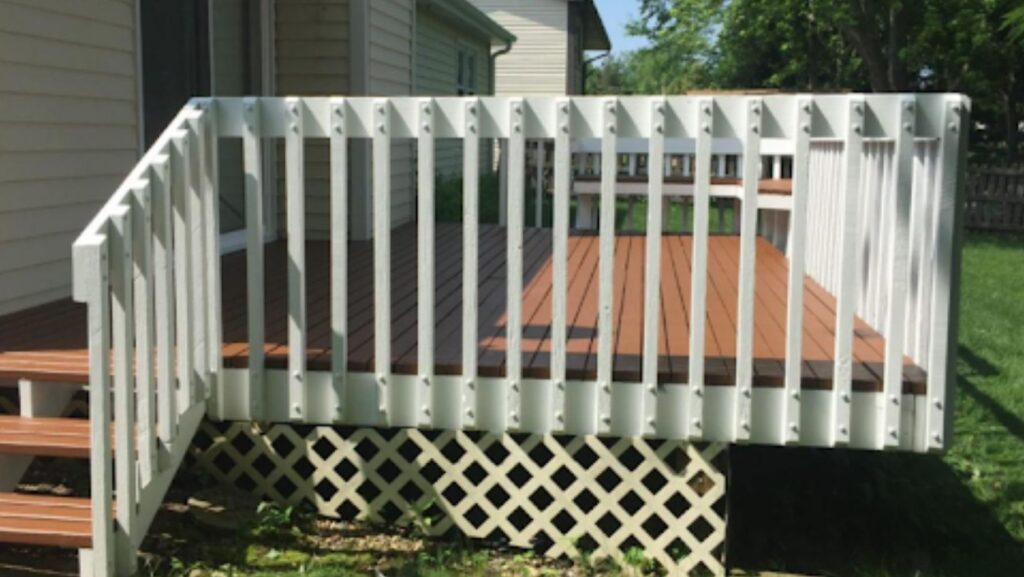
Building codes dictate how many bolts go into a ledger board and the height of the balusters. Most regions require a minimum railing height of 36 inches for residential decks. Inspections occur at several stages of the build to make sure everything is safe.
Important Requirements To Verify
Before starting construction, you must verify these technical specifications to ensure a safe build:
- Depth of concrete footings below the frost line.
- Proper use of galvanized or stainless steel fasteners.
- Correct attachment of the deck to the house rim joist.
- Load-bearing capacity of the chosen decking material.
- Clearance distances from power lines or septic tanks.
Safety is the most important factor in any construction project. A sturdy deck must support 40 pounds per square foot for live loads and 10 pounds per square foot for dead loads. Professional builders use structural screws and specialized brackets to meet these standards. DIY builders must research these specifications to avoid accidents.
Choose the DIY route if you have the tools and understand structural physics. Hire a professional if you want a guaranteed timeline and a warranty on the work. Both options provide a valuable addition to the home when done with care and precision.

 Abbukkhar Kangharnnia






 Gary Cripps

