
 Dpzhuk Znnkberin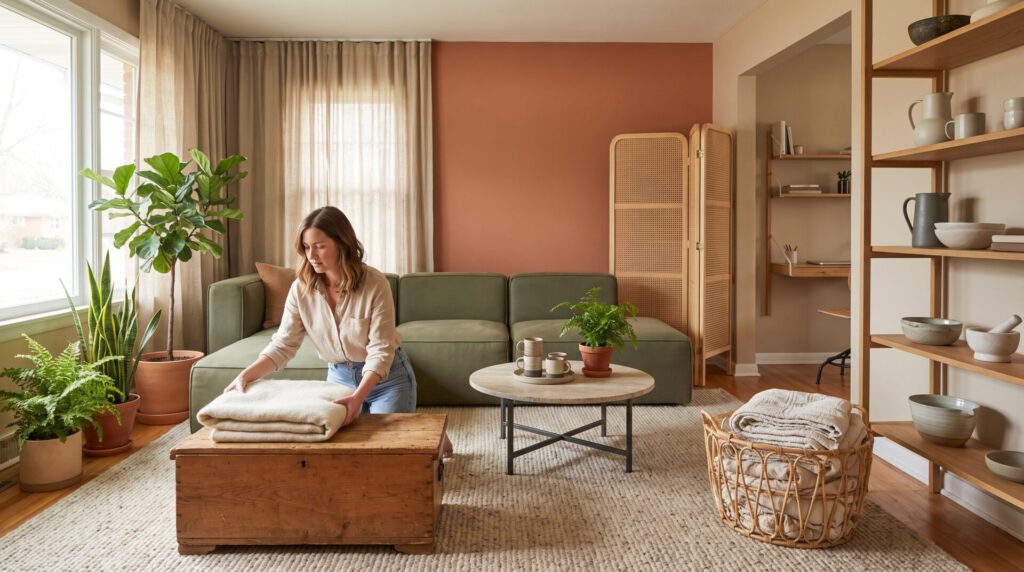
Latest Home Décor Trends on DecoratorAdvice.com highlight calm, usable design choices for real life. They favor sustainable materials, warm earthy colors, layered textiles, and flexible furniture that adapts to daily needs. This guide pulls the most practical tactics from DecoratorAdvice so readers can apply trends without guessing. It explains why slow design matters, which colors and textures last, how multifunctional pieces free space, and a room-by-room action plan to update a home now.
Key Takeaways
- The latest home décor trends on DecoratorAdvice.com emphasize sustainable materials and slow design for durability and reduced redecorating costs.
- Warm earthy colors paired with layered textiles create calm, inviting spaces that remain stylish over time.
- Incorporating multifunctional furniture and flexible layouts maximizes space and adapts rooms for multiple uses.
- Biophilic elements like houseplants and natural finishes improve mood and indoor air quality in the home.
- A room-by-room action plan offers practical steps to apply these trends, including upcycling and adding textured textiles for immediate impact.
- Adopting just two changes from these trends can significantly enhance your home’s comfort and longevity.
Sustainable Materials And Slow Design: Long-Lasting Choices For Real Homes
Sustainable materials and slow design put longevity first. Choosing wood, cork, bamboo, stone, and natural fabrics reduces waste and lowers the need to replace pieces every few years. DecoratorAdvice research shows homeowners who choose durable finishes cut redecorating frequency dramatically. For example, selecting matte porcelain tiles and tightly woven wool rugs can delay visible wear for 8–12 years in high-traffic rooms.
Practical steps: buy fewer, better pieces: upcycle one item per season: pick easy-care finishes. The site recommends restoring older furniture as a statement rather than buying fast furniture. A restored oak chest often costs less than a mass-produced cabinet and lasts far longer. This approach matches broader reporting on sustainable design trends and offers measurable savings over time.
The article on the site about the latest news and trends highlights how thoughtful purchases replace churn, reducing both cost and clutter.
Color & Texture: Warm Earthy Palettes And Layered Textiles
Warm, earthy palettes plus layered textiles create rooms that feel calm and lived-in. Designers on DecoratorAdvice recommend terracotta, clay, sand, olive green, and warm neutrals as the base for schemes intended to last years rather than seasons.
Earthy Palette Essentials
Earthy tones form a flexible backdrop. Use terracotta or clay on an accent wall one room at a time. Olive or khaki works well for cabinets or upholstery because the color hides wear. Pair off-white ceilings with sand or beige walls to keep light levels steady without stark contrast. DecoratorAdvice coverage for planning, decorating and improving a home considers how color works with furniture, layout and broader project choices.
Layering Textiles And Mixed Materials
Layer textiles for depth: a wool rug, linen curtains, cotton throws, and a bouclé chair create a tactile mix that reads as intentional. Combine wood, stone, woven fibers, and matte metals to avoid a flat look. Accessories, pillows, blankets, and small wall pieces, let homeowners test color or texture shifts without large expense. For deeper context on 2025 design evolution that informs 2026 palettes, see the highest interior design trends coverage on DecoratorAdvice.
Multifunctional Furniture, Flexible Layouts, And Biophilic Touches
Multifunctional furniture and biophilic touches make homes more resilient to change. Modular sofas, foldable tables, and storage benches let a living area become a workspace or guest room in minutes. DecoratorAdvice encourages flexible layouts that create defined zones rather than fixed rooms.
Concrete examples: choose a 3-seat sofa with a detachable ottoman that becomes a daybed: use a dining bench with built-in storage that holds seasonal linens: add a folding screen to define a temporary office nook. These space-saving choices also support DecoratorAdvice ideas for adaptable seasonal decorating, since linens and room functions can change without replacing the furniture.
Biophilic details improve mood and indoor air quality. Add six to eight medium houseplants for average three-bedroom homes to create a noticeable visual impact. Natural light, rounded forms, and stone or wood finishes add a sensory connection to nature. For a practical primer on sustainable home design ideas that reinforce these claims, the article references research and examples from sustainable design coverage.
Quick Room-By-Room Action Plan To Apply These Trends
Living room: Repaint in warm neutrals or add a terracotta accent. Place a textured wool rug and two natural-fiber throws. Introduce three medium plants, a warm-toned floor lamp, and one upcycled piece from a thrift or restoration project. The site’s practical tips for transforming spaces link to methods for balancing budget and style in living spaces.
Bedroom: Start with bedding in khaki or soft brown and layer a linen duvet, cotton quilt, and wool throw for contrast. Swap plastic bedside tables for small wood or woven pieces: add soft, warm bedside lighting to make the room feel restful. DecoratorAdvice furniture, layout and styling trends examine how bed scale, placement and accessories work with layered bedding.
Kitchen/Dining: Declutter countertops: display only three functional, attractive items (a wooden board, ceramic pitcher, and mortar). Install open shelves with stone or ceramic serveware for texture. Consider a multifunctional bench that stores board games and doubles as extra seating for guests.
Home office or flex space: Use a wall-mounted fold-down desk and a modular shelving unit that converts from office storage to craft or assignments supplies. Place one tall plant near the desk to reduce glare and soften the view.
Conclusion
DecoratorAdvice’s approach centers on homes that age with owners. Sustainable materials, warm earthy palettes, layered textures, adaptable furniture, and biophilic touches create spaces that stay useful and comforting. Durable materials and adaptable furniture provide useful context for interior-design developments covered by DecoratorAdvice.

 Gary Cripps

 Abbukkhar Kangharnnia


 Avedyn Phytes


