
Wood Mixing Mistakes: How to Match Your Furniture to Your Floors (Without LVP Regrets)
 Abbukkhar Kangharnnia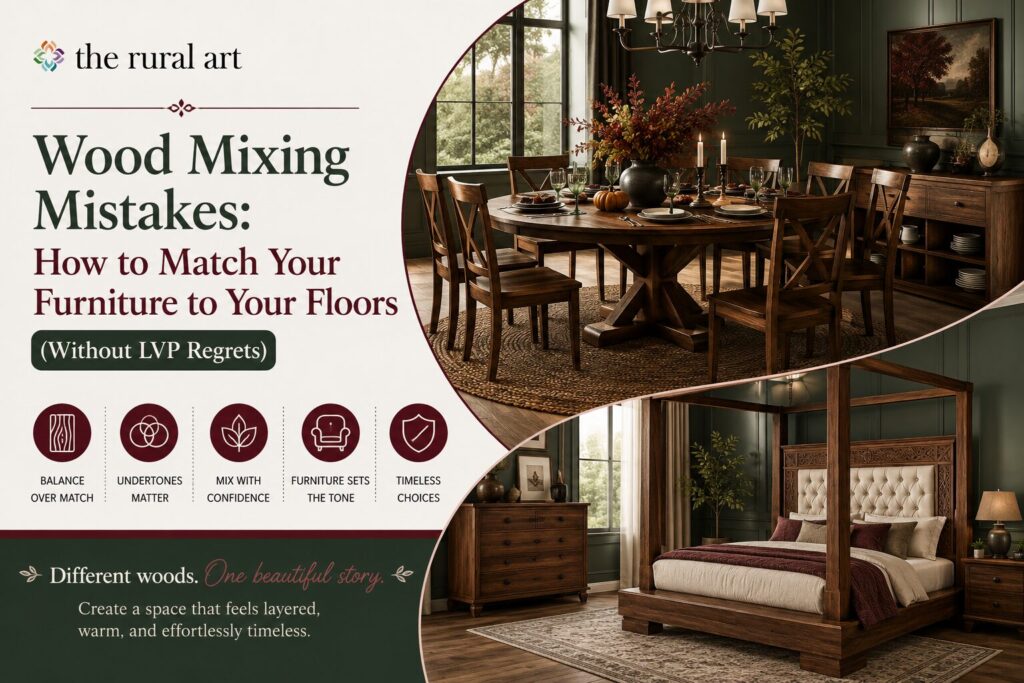
Every year, many homeowners discover that choosing beautiful furniture is only half the challenge. The real test begins when different wood tones share the same room. A dining table that looked perfect in the showroom can suddenly feel out of place against existing flooring, while a new bed frame may seem disconnected from the overall design of the space.
This issue has become even more common with the growing popularity of Luxury Vinyl Plank flooring. While LVP offers durability and versatility, matching it with natural wood furniture requires a careful balance of color, grain, and undertones. Designers know that successful interiors are rarely built around exact matches. Instead, they focus on creating harmony between materials.
A bedroom, for example, can feel warm and inviting when anchored by a large king-size bed crafted from solid wood, even if the flooring features a different finish. The goal is not to make every surface look identical, but to create visual connections that allow each element to work together. Understanding a few simple design principles can help homeowners avoid costly mistakes and create spaces that feel cohesive, refined, and timeless.
Key Takeaways
Why Perfect Matching Often Creates the Biggest Problem
Many people assume that furniture and flooring should look identical. This belief often leads homeowners to search endlessly for furniture that matches their floors exactly.
The result can feel surprisingly flat. When every surface shares the same tone, grain pattern, and depth, rooms often lose visual dimension. Instead of creating warmth, the space can start to feel repetitive.
Designers frequently recommend creating a subtle contrast between floors and furniture. The goal is harmony, not duplication.
Common mistakes include:
Successful interiors often include variation that allows each element to maintain its own identity while contributing to the overall design.
Understanding Wood Undertones Before You Buy
One of the biggest reasons furniture and flooring clash has nothing to do with color. The real issue is often the undertones.
Most wood finishes fall into one of these categories:
A medium brown floor with cool gray undertones may look completely different when paired with a warm honey-colored furniture piece.
This becomes especially noticeable with LVP flooring because printed wood patterns can contain undertones that are difficult to identify until furniture arrives.
Before purchasing furniture, examine your floor in:
Many flooring products shift dramatically throughout the day.
How a Large King-Size Bed Can Influence the Entire Bedroom
Bedrooms often contain one dominant piece that sets the visual tone for the entire space. In many homes, that piece is a large king-size bed.
Because of its scale, the bed naturally draws attention before dressers, nightstands, or decorative accessories.
Designers often recommend selecting the bed first and allowing smaller pieces to support its finish rather than trying to match everything directly to the floor.
A good example is the Hollywood Floating Bed, which uses clean lines and solid wood craftsmanship to create visual warmth without overpowering surrounding finishes.
When working with wood floors or LVP flooring:
Creating separation between the floor and bed frame allows both surfaces to remain visible and attractive.
The Dining Room Mistake Many Homeowners Regret
Dining rooms often present a different challenge because tables occupy a large percentage of the visible floor space.
Many buyers become nervous about introducing a wood dining table on top of a wood floor. In reality, some contrast often creates a more inviting result.
A well-designed 10-seater round dining table can become the visual centerpiece of an open-plan space without needing to replicate the flooring beneath it.
The key is balancing:
For example, the Birmingham Rustic Solid Wood 10 Seater Black Round Dining Set demonstrates how a substantial round table can command attention even when paired with flooring in a different tone or finish. The richness of the wood and the strong circular form naturally draw the eye, allowing the dining area to feel distinct while remaining connected to the rest of the home.
LVP Flooring Challenges Nobody Talks About
Luxury vinyl plank flooring has changed how many homeowners furnish their homes.
While LVP offers impressive durability and versatility, it can create unexpected decorating challenges because the wood appearance is printed rather than naturally grown.
Common issues include:
Natural wood furniture often contains depth, movement, and variation that printed flooring cannot fully replicate.
This difference is not necessarily a problem. In fact, it often works best when homeowners stop trying to create an exact match.
Instead, focus on creating a balanced palette where furniture and flooring feel related rather than identical.
Mixing Multiple Wood Tones Successfully
Many professionally designed homes contain three or more wood tones within a single room.
The secret is maintaining consistency somewhere within the palette.
This can be achieved through:
Natural materials such as Indian rosewood, teak wood, mango wood, and acacia wood often work together because they share an authentic character even when their colors differ.
Rooms feel more collected and layered when wood tones interact naturally rather than attempting to imitate one another.
Why Solid Wood Ages Better With Changing Interiors
Flooring often remains in place for many years. Furniture, however, tends to evolve as lifestyles change.
One reason designers continue to favor handcrafted solid wood furniture is its ability to adapt to different spaces over time.
Unlike heavily trend-driven pieces, solid wood develops richness and character through daily use. Small variations in grain and finish help it blend into changing interiors rather than becoming dated.
This flexibility becomes especially valuable when flooring is eventually replaced. Furniture chosen solely to match a specific floor may no longer work when the room changes.
Pieces built with quality materials and traditional craftsmanship often remain relevant long after flooring trends have shifted.
Conclusion
Wood mixing is not about creating perfect matches. It is about creating relationships between materials, colors, and textures that feel natural within a space.
The most successful interiors rarely rely on identical wood tones. Instead, they balance contrast, undertones, scale, and craftsmanship to create rooms that feel layered and welcoming. Collections from The Rural Art reflect this growing appreciation for solid wood furniture that works beautifully alongside a variety of flooring styles while maintaining its own distinct character.
When choosing furniture, focus less on matching every shade and more on creating a space that tells a story. The homes that leave the strongest impression are not the ones where everything matches perfectly. They are the ones that feel warm, lived-in, and effortlessly connected, growing more beautiful with every passing year.
FAQs
1. Should my furniture match my wood floors exactly?
No. Slight contrast often creates a more attractive and layered interior than identical wood tones.
2. What is the biggest mistake people make with LVP flooring?
Many homeowners try to match furniture to the printed wood pattern exactly, which can make the room feel artificial and flat.
3. Can I mix dark furniture with light floors?
Yes. Dark furniture often creates a beautiful contrast against lighter flooring and helps anchor the room visually.
4. How many wood tones can I use in one room?
Most designers comfortably use two to four wood tones, provided the undertones and overall style remain cohesive.

 Nophyn Tesil

 Gary Cripps
 Dpzhuk Znnkberin


