
 Avedyn Phytes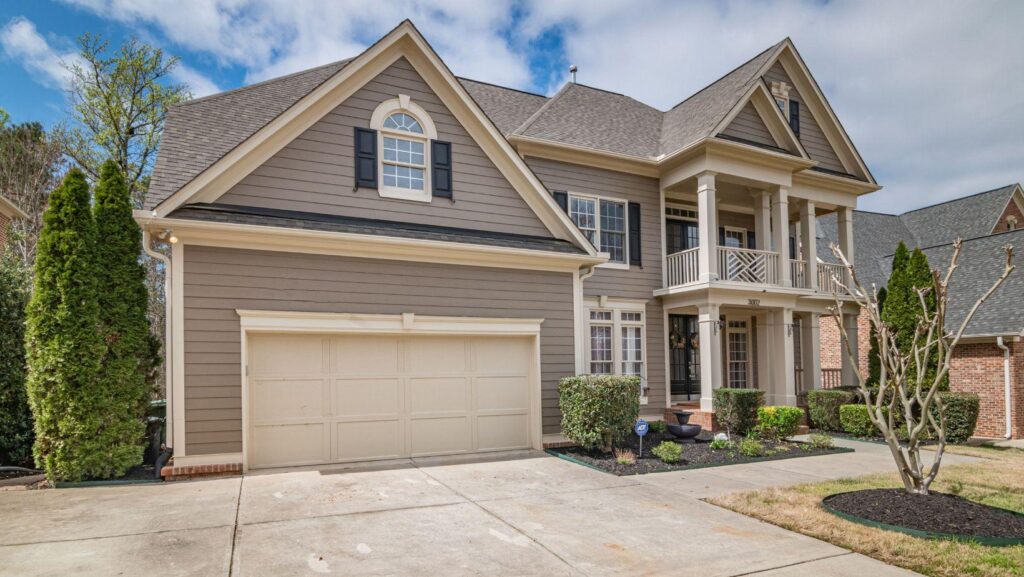
Your driveway is more than just a place to park your car. It is a major part of your home’s exterior and often one of the first things people notice when they arrive. A well-chosen finish can strengthen your home’s character and make the property more appealing from the street.
With so many colors, textures, and finishes available, choosing the right one can feel overwhelming. The best option should complement your home’s architecture, work with your landscaping, suit your lifestyle, and meet your maintenance needs. Understanding how different finishes look and perform can make the decision much easier.
Understanding Your Driveway Finish Options
There are plenty of ways to finish a concrete driveway, and each creates a different look and feel.
Exposed aggregate is created by removing the top layer of concrete to reveal the stones and pebbles underneath. It has a natural, textured appearance and can provide good traction underfoot. Colors can range from sandy beige and warm browns to charcoal and cool gray tones.
Honed concrete is ground to create a smooth, semi-matte surface. Its clean and refined appearance often works well with contemporary architecture, minimalist gardens, and simple landscaping.
Polished concrete has a smoother and more reflective appearance. Homeowners considering a highly polished or smooth finish for an exterior driveway should discuss slip resistance, weather exposure, and outdoor suitability with their concrete contractor.
Brushed or broom-finished concrete is a practical option created by dragging a stiff broom across the surface while the concrete is still workable. The resulting fine ridges add texture and can improve traction, making it useful for sloped or frequently wet driveways.
Stamped concrete uses molds to create decorative patterns that resemble materials such as brick, slate, or cobblestone. It can add visual interest while giving homeowners more control over pattern and color.
Matte-sealed concrete uses a low-sheen sealer over plain or colored concrete. The understated finish can work with a wide range of architectural styles without competing with other exterior features.
Exploring different concrete driveway finishes before committing to one can help you compare how texture, color, and appearance might work with your property.
Match the Finish to Your Home’s Architecture
Your home’s architectural style is a useful starting point when narrowing down your options.
Modern homes often pair naturally with restrained finishes such as honed, matte-sealed, or smooth concrete. Gray and charcoal tones can complement clean lines, large windows, metal details, and minimalist landscaping.
Traditional homes can work well with more textured or decorative surfaces. Stamped concrete with stone-inspired patterns, for example, can complement classic architectural details. Exposed aggregate in warmer tones can also create a softer, more natural appearance.
For relaxed or coastal-inspired properties, lighter colors and natural textures can help create an informal feel. Exposed aggregate with pale stones or concrete in sandy shades can blend easily with timber, stone, grasses, and other natural landscaping elements.
Rather than matching the driveway to one feature alone, look at the home as a whole. Roofing, exterior walls, pathways, fencing, and garden materials can all help guide the final choice.
Coordinate the Driveway With Your Landscaping
Your driveway should feel connected to the rest of your outdoor space rather than appearing as a separate design element.
Earthy concrete colors can blend well with garden beds, stone edging, timber features, and naturalistic planting. More formal gardens may suit smoother finishes such as honed or matte-sealed concrete because their simpler surfaces create a cleaner backdrop.
Color is also important. Concrete can be colored using pigments to create shades such as charcoal, slate gray, terracotta, or warm sandstone.
One simple approach is to repeat a color that already appears somewhere on the property. A driveway that picks up a tone from the roof, facade, paving, or landscaping can help the exterior feel more cohesive without needing to match everything exactly.
Texture matters too. A heavily textured driveway can add character to a simple landscape, while a restrained surface may balance a garden that already contains plenty of stone, foliage, patterns, and decorative features.
Consider Everyday Performance
Appearance matters, but your driveway also needs to work well in daily use.
Slip resistance should be considered, particularly in wet climates or on sloped properties. Textured finishes such as exposed aggregate and broom-finished concrete generally provide more surface grip than very smooth finishes.
Maintenance also varies. Sealed surfaces may need periodic resealing depending on traffic, weather exposure, the product used, and the installer’s recommendations. Textured surfaces can collect dirt and organic material, so occasional cleaning may be needed to keep them looking fresh.
Installation quality is equally important. Decorative concrete can still develop problems if the slab is poorly prepared, placed, cured, or jointed. Ask a qualified concrete contractor how they plan to manage drainage, control joints, curing, surface traction, and ongoing maintenance.
Making the Final Decision
Before deciding, collect samples if possible and look at completed driveways with similar finishes. Pay attention to how colors and textures change in direct sunlight, shade, and different weather conditions.
You can also simplify the decision by asking four questions: Do you want the surface to look smooth or textured? Should it be subtle or decorative? Which colors already appear around your home and garden? How much maintenance are you comfortable with?
The right finish does not need to be the most elaborate option. It needs to suit your property, landscaping, practical requirements, and personal taste. Taking the time to compare those factors can help you choose a driveway that feels like a natural part of your home for years to come.

 Gary Cripps
 Dpzhuk Znnkberin


