
 Dpzhuk Znnkberin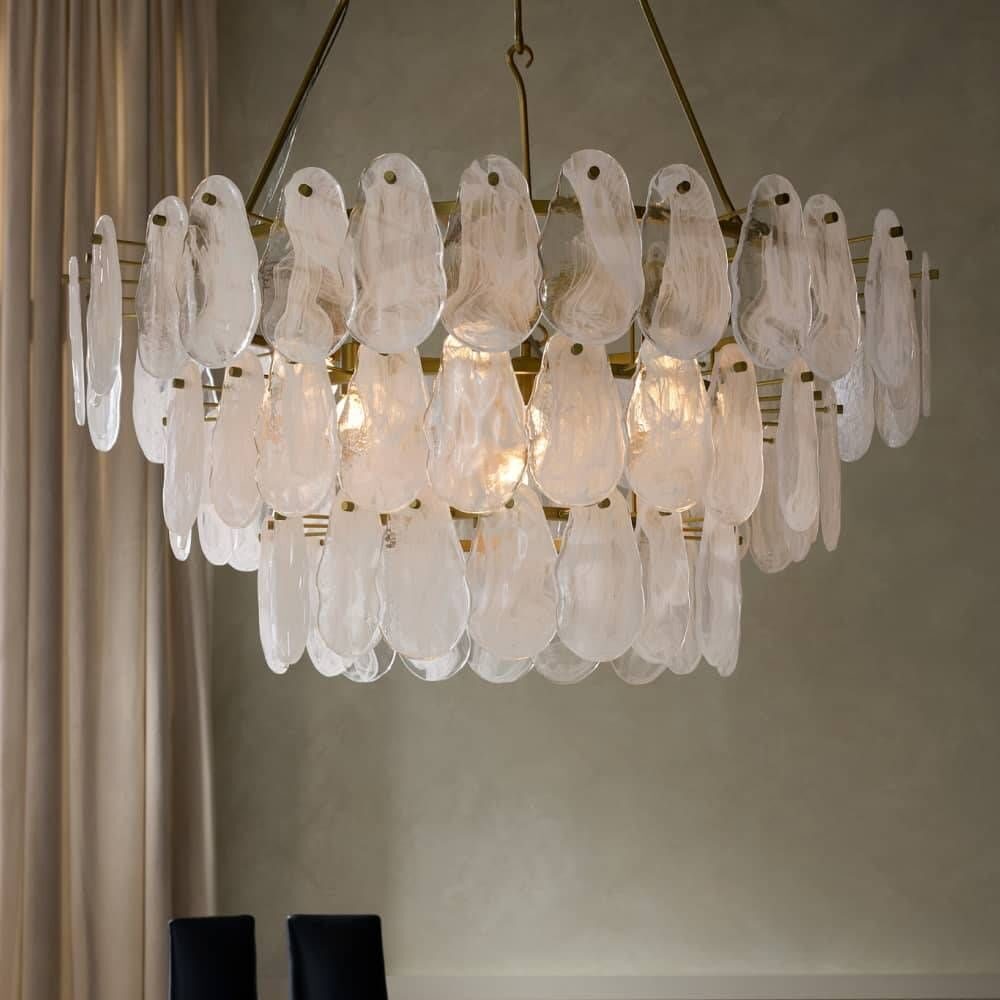
Lighting does more than help us see. It shapes how a room feels, how it works, and how people move through it. A warm glow can make a space feel calm and welcoming, while a brighter setup can improve focus and support daily tasks. Many design lovers look to brands like Arteriors for inspiration on how lighting can bring both beauty and purpose into the home.
Lighting Sets The Tone Of A Space
When people walk into a room, they often notice the mood before anything else. Lighting plays a big part in that first impression. Soft light can make a bedroom feel restful. A brighter and more open feel can make a kitchen feel clean and active. In a living room, layered light can create comfort and warmth.
This is why lighting should be part of the design plan from the start. It affects how colors appear, how textures stand out, and how inviting a room feels at different times of day. Even a beautiful space can feel flat if the lighting does not support it.
Thoughtful lighting helps turn a room from simple to memorable. It gives the space character and helps people feel at ease.
Function Matters As Much As Style
A well designed room needs to look good, but it also needs to work well. Lighting helps make that happen. In task-heavy spaces such as kitchens, home offices, and bathrooms, people need light that supports clear vision and comfort. In places meant for rest, the goal is often softer and more relaxed.
The most effective rooms use lighting with purpose. A table lamp near a reading chair supports focus and comfort. A pendant over a dining table can define the space and improve how it is used. Wall lighting in a hallway can guide movement and make the area feel more complete.
When lighting choices match the way a room is used, daily life becomes easier. The room feels more natural, more useful, and more enjoyable.
Layering Light Creates Balance
One light source is rarely enough to bring out the best in a room. Layering light helps create depth and flexibility. This usually means combining overhead lighting with accent lighting and task lighting.
Overhead fixtures provide broad light for the whole room. Task lighting supports specific activities such as reading, cooking, or working. Accent lighting highlights artwork, shelves, or architectural details. Together, these layers create a balanced and comfortable setting.
Layered light also allows a room to shift throughout the day. A bright setup may work well in the morning, while softer light may feel better in the evening. This flexibility helps a home feel more responsive and lived in.
Lighting Can Highlight Design Details
A room often includes features that deserve attention. This could be a textured wall, a favorite piece of art, or a striking furniture shape. Lighting helps these details stand out in a natural way.
The right fixture can also serve as a design feature on its own. A sculptural chandelier, a sleek floor lamp, or a pair of wall sconces can add shape and interest even when the lights are off. These pieces help tie the room together and give it a stronger point of view.
Lighting is one of the easiest ways to add visual interest without filling a room with too many objects. It supports the design while still serving an everyday purpose.
Different Rooms Need Different Lighting Choices
Each room in a home has its own needs. A kitchen often benefits from clear, even light that supports cooking and cleanup. A bedroom usually works best with softer lighting that helps people wind down. Entryways need enough light to feel safe and welcoming, while dining areas often feel best with a warm and focused glow.
Because each room serves a different purpose, lighting should reflect that. It is helpful to think about how the room is used during the day and in the evening. It also helps to consider who uses the space and what kind of mood feels right there.
A one-size-fits-all approach rarely works. Good lighting feels specific to the room and the people in it.
Light Shapes How A Home Feels Over Time
Natural light changes throughout the day, and artificial light helps fill the gaps. In the morning, brighter light can support energy and focus. In the evening, softer light can help the home feel calm and settled. This shift matters because it affects comfort in subtle ways.
Lighting can also support seasonal changes. During darker months, warm indoor light can make a home feel more inviting. In brighter seasons, layered lighting still helps rooms feel complete once the sun goes down.
Because lighting is part of daily life, its effect builds over time. Small improvements can make a big difference in how a home feels week after week.
A More Thoughtful Way To Design
Lighting is one of the most useful tools in home design. It shapes mood, supports function, and helps every room feel more complete. When chosen with care, it can improve both the look and feel of a home without making the space feel overdone.
A thoughtful lighting plan does not need to be complicated. It starts with paying attention to how each room is used and what kind of atmosphere feels right. From there, the right fixtures and layers can help the home feel balanced, welcoming, and easy to live in.
Good lighting is not only about brightness. It is about creating spaces that feel right for everyday life.

 Abbukkhar Kangharnnia

 Gary Cripps
 Avedyn Phytes


