
Colour Psychology for Better Sleep: Designing Bedrooms That Feel More Restful
 Abbukkhar Kangharnnia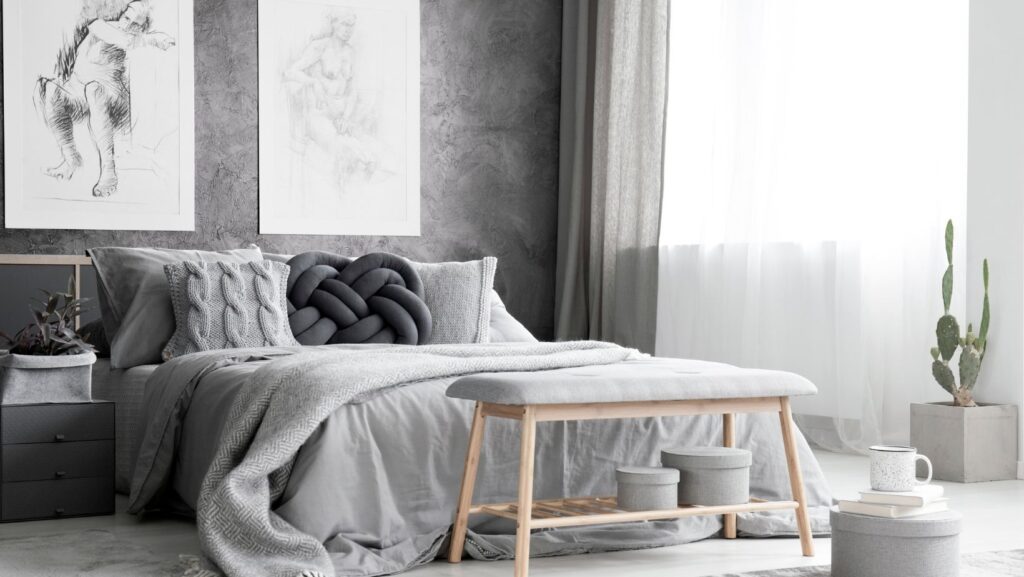
There are evenings where you do everything you normally do, yet your thoughts keep circling, almost unaware that you’re trying to wind down. It happens. The room has more of an effect than you might guess. Even the colours around you can influence your mood before you even think about lying down. A quick glance across the space, sometimes without meaning to, can set something off in your mind.
How Colours Shape the Way You Feel
People respond to colours in all sorts of ways. Some patterns show up, but nothing is exact. Strong reds often bring a bit of energy. Deep blues tend to settle the mood. Soft greens can give a feeling of breathing space. These reactions come from a mix of instinct and memory.
Muted shades help the body slow down a little. They sit in the background instead of demanding attention. On their own, colours will not solve sleep problems, but they build a base that supports the rest of your night.
Shades That Help the Room Wind Down
Cooler tones often calm the space. Blue is popular because it is gentle on the eyes. Pale blue opens a room up, while darker blue feels grounded and steady. Green tends to settle in nicely too, particularly the softer tones that sit somewhere near moss or gentle sage.
Light purples bring a bit of warmth without stealing attention. Colours such as cream, clay or warm grey often suit rooms where the light moves around during the day. They sit in the background and leave the space feeling open rather than crowded.
Colours That Might Keep You Alert
Bright shades can be fun, though they sometimes feel a bit sharp when you are winding down. Orange, bright pink and strong yellow are lovely during the day, though sometimes less helpful at night. If you enjoy these colours, keep them in smaller touches rather than covering a full wall.
Very dark blacks can be striking but may feel heavy if used too much.
How Light Changes Everything
Most bedrooms seem to work better with softer lighting instead of bright white bulbs that make every corner look crisp. Light changes the mood without you realising it.
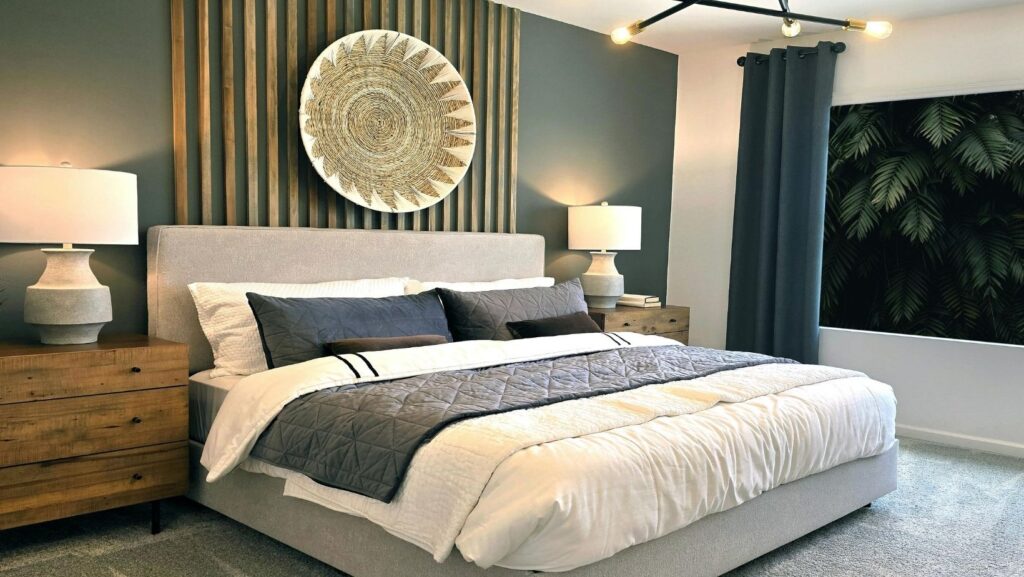
Warm bulbs blur the edges of the room a little and make colours feel easier on the eyes. Cooler bulbs do the opposite and bring out every line. If your room gets strong sun in the afternoon, deeper colours often feel more balanced. Rooms with little natural light usually benefit from something lighter to stop the space feeling heavy.
Small Adjustments Instead of Starting Again
A full repaint is not always needed. Small things can shift the feel of the room. Softer bedding can calm the space. Curtains in lighter fabrics change how daylight spreads. A wooden table or a textured rug adds warmth. Even one gentle picture on the wall can alter the mood without much effort.
Little changes build on each other.
Comfort Works With Colour
The colours in your room help set the mood, but the mattress beneath you decides how your body feels once you lie down. iSleep’s mattresses use combinations of materials that ease pressure while keeping your back supported. Memory foam mattresses settle gently around your shape and reduce strain on your joints. Pocket spring models offer a firmer sort of balance that keeps your back steady but doesn’t restrict how you move.
Hybrid mattresses use foam for comfort and a spring base for structure, giving the surface a more even response as you turn. The covers stay breathable, which helps heat drift off rather than gathering around you.
When these parts work together, your body settles more naturally and the night tends to pass more peacefully.
Choosing What Feels Right for You
Choosing colours is personal. A shade that settles you might feel completely wrong to another person. The easiest approach is usually to test a small swipe on the wall and leave it alone for a while. Come back to it later in different light and see how you feel then.
A room doesn’t have to look polished for you to fall asleep more easily. It only needs to feel comfortable enough that your mind and body slow down together.

 Dpzhuk Znnkberin

 Nophyn Tesil
 Gary Cripps


