The Ultimate Guide to Bathroom Design: Style, Plumbing, and Safety Essentials
 Gary Cripps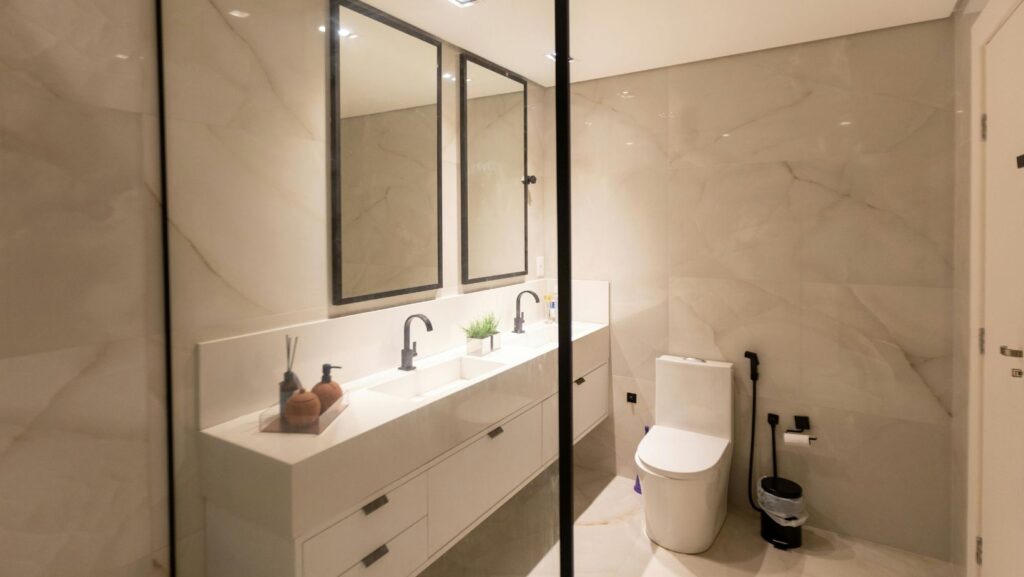
Bathrooms are more than just functional spaces—they are personal sanctuaries where design, utility, and safety must work in harmony. Whether you’re renovating an existing bathroom or designing a new one, achieving the perfect balance between aesthetics, plumbing efficiency, and safety is essential. This guide explores how to integrate stylish décor, maintain reliable plumbing, and ensure safety in every aspect of your bathroom.
1. Planning Your Bathroom Layout
The foundation of any successful bathroom project is a well-thought-out layout. Consider the size, shape, and function of your space. Small bathrooms benefit from space-saving fixtures like wall-mounted sinks and compact toilets, while larger bathrooms can incorporate freestanding tubs or double vanities for added luxury. When planning, pay attention to the placement of plumbing lines, as relocating pipes can increase renovation costs. A practical layout improves flow and maximizes both style and usability.
2. Choosing Bathroom Fixtures and Décor
Modern bathroom décor blends functionality with aesthetic appeal. Selecting the right fixtures—sinks, faucets, showerheads, and toilets—affects both style and performance. Chrome and brushed nickel finishes offer durability and a sleek look, while matte black or bronze adds a contemporary touch.
Tiles, mirrors, and lighting play a pivotal role in creating atmosphere. Large, light-colored tiles can make a small bathroom feel more spacious, while accent tiles add personality. Lighting should include a mix of ambient, task, and accent options; bright, shadow-free lighting is essential around mirrors for grooming tasks.
Accessories such as towel racks, soap dispensers, and storage solutions can enhance both organization and décor. Opt for moisture-resistant materials like stainless steel, glass, or high-quality plastics to prevent corrosion and mold growth.
3. Understanding Bathroom Plumbing
A functional bathroom requires a reliable plumbing system. Toilets, sinks, showers, and bathtubs all depend on properly installed pipes and drainage. Modern plumbing solutions often include water-efficient fixtures, which reduce water consumption without compromising performance. Look for products labeled with WaterSense or similar certifications.
Regular maintenance is critical. Leaks, clogged drains, or running toilets can waste water and cause costly damage over time. Simple steps, like inspecting pipes for corrosion, cleaning aerators, and using drain strainers, can prolong the life of your plumbing and prevent emergencies. Additionally, scheduling routine boiler service and repair ensures that your water heating system operates safely and efficiently, providing consistent hot water for showers and taps.
4. Water Temperature and Pressure Considerations
Proper water temperature and pressure are crucial for comfort and safety. Scalding can occur if water heaters are set too high, while low water pressure can affect shower performance. Installing pressure-balancing valves or thermostatic mixing valves ensures consistent water temperature and reduces the risk of burns.
For homes with multiple bathrooms, consider a recirculating pump system to provide instant hot water without wasting time and water waiting for the tap to heat up.
5. Ventilation and Moisture Control
A well-ventilated bathroom prevents mold, mildew, and structural damage. Exhaust fans should be installed near showers or tubs and vented to the exterior, not just into the attic. Consider humidity-sensing fans that automatically turn on when moisture levels rise.
Waterproofing is equally important. Ensure proper sealing around tubs, showers, and sinks, and choose moisture-resistant materials for walls, ceilings, and cabinetry.
6. Flooring and Safety
Bathroom floors are particularly prone to slips and falls. Non-slip tiles, textured surfaces, or vinyl flooring designed for wet areas can significantly reduce accidents. Heated flooring, while luxurious, should be installed according to safety codes to prevent electrical hazards.
Adding bath mats with non-slip backing and keeping floors dry also improve safety. For households with elderly residents or children, consider grab bars near showers, tubs, and toilets, as well as shower seats or walk-in tubs.
7. Storage Solutions
Clutter can compromise both style and safety. Integrated storage options such as recessed shelves, mirrored cabinets, or floating vanities keep toiletries organized and off wet surfaces.
Consider open shelving for frequently used items and closed cabinets for products that need protection from moisture. Properly designed storage not only enhances aesthetics but also reduces tripping hazards.
8. Lighting and Electrical Safety
Bathrooms require careful attention to electrical safety due to high moisture levels. All electrical outlets should be GFCI (Ground Fault Circuit Interrupter) protected to prevent shocks. Light fixtures should be rated for damp or wet locations, particularly over showers and tubs.
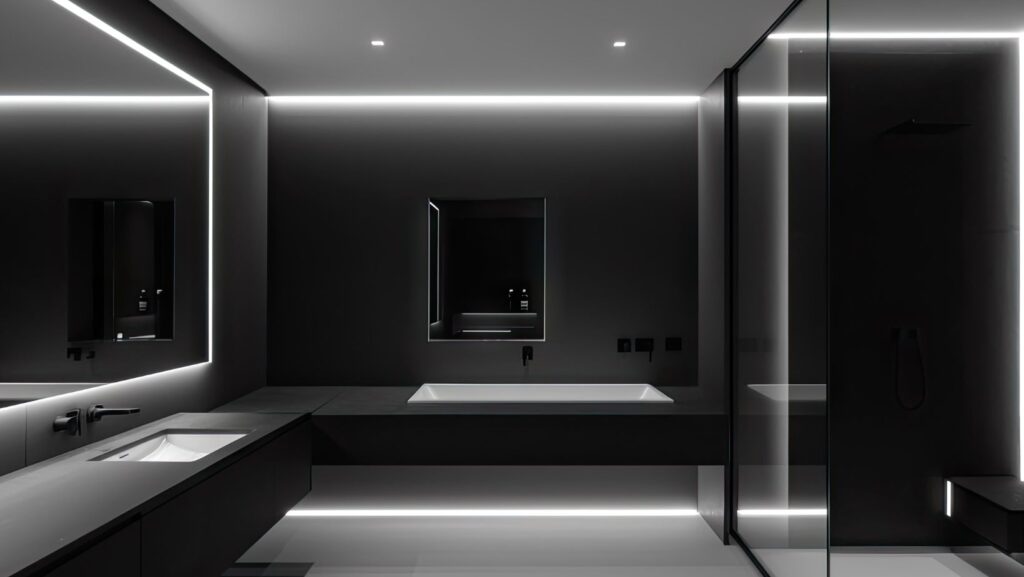
Layered lighting improves functionality and ambiance. Bright task lighting around mirrors aids grooming, while softer ambient lighting creates a relaxing atmosphere. Consider LED options for energy efficiency and longevity.
9. Eco-Friendly Bathroom Design
Sustainable bathroom design benefits both the environment and your utility bills. Low-flow toilets, faucets, and showerheads reduce water consumption. LED lighting and energy-efficient ventilation systems minimize electricity usage. Choosing recycled or sustainably sourced materials for tiles, cabinets, and countertops aligns style with environmental responsibility.
10. Routine Maintenance and Safety Checks
Regular maintenance keeps bathrooms safe and functional. Check for leaks, loose tiles, mold growth, and ventilation issues. Inspect seals around sinks, showers, and tubs, and ensure drains flow smoothly. Periodic plumbing inspections can detect hidden problems before they escalate into major repairs.
Safety checks should also include verifying that grab bars are securely anchored, mats remain slip-resistant, and electrical components function properly. Establishing a routine inspection schedule can prevent accidents and extend the lifespan of your bathroom.
A bathroom is more than a utilitarian space; it is a personal retreat that combines design, plumbing efficiency, and safety. By carefully planning layouts, selecting stylish and durable fixtures, maintaining plumbing systems, and prioritizing safety, homeowners can create bathrooms that are both beautiful and functional. From water-efficient faucets to non-slip flooring and thoughtful storage solutions, every detail contributes to a cohesive space that supports daily routines while offering comfort and peace of mind. Investing in both style and practicality ensures that your bathroom remains a safe, elegant, and efficient sanctuary for years to come.