Strategic Furniture Placement for Defining Zones in Large Open-Concept Lofts
 Abbukkhar Kangharnnia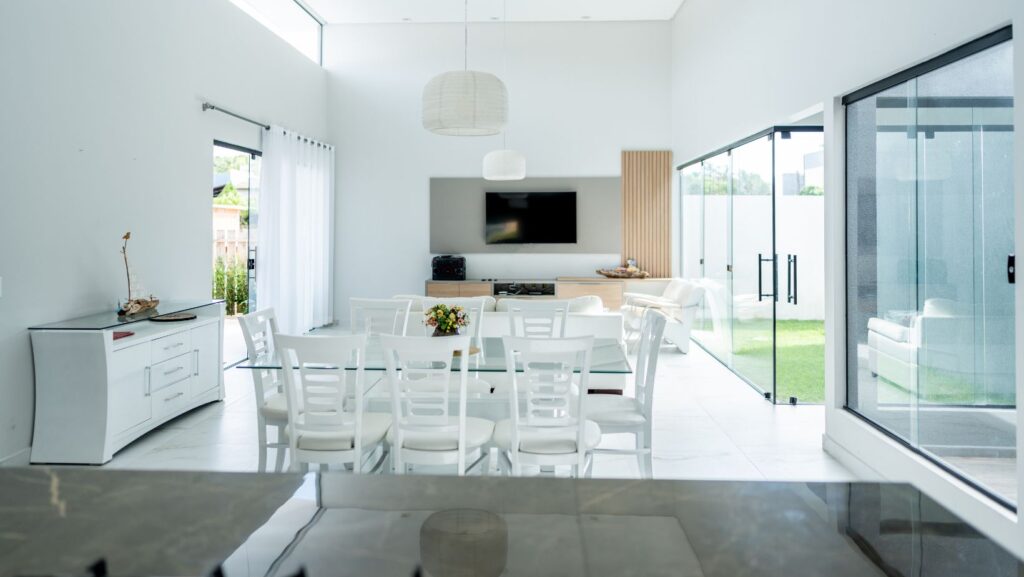
Large, open-concept lofts provide a lot of square footage and a lot of architectural freedom. They frequently have high ceilings and few walls. These interiors provide visual volume, but they also make designing them more difficult since you need to create functioning zones without building anything permanent. The main way to effectively divide these areas is by placing furniture in strategic places.
This method makes sure that the loft can handle a variety of everyday tasks while still looking like a whole. This design will only work if certain approaches are used to define space, control traffic flow, and strengthen boundaries with materials and light.
Establishing Foundational Loft Layout Strategies
The first step in designing a loft is to figure out what each section will be used for. The open loft needs virtual rooms because it doesn’t have set rooms as other homes do. To do this, you need to plan out important functional sections, including the main living room, the eating area, the workspaces, and the access points that lead to other regions.
A furniture arrangement or lounge setting is what makes these limits look like they belong in a building. For example, a long, low console table placed against a wall makes it clear where the seated area ends. A fixed eating table is also a strong, permanent marking that marks the area where people eat. The size and shape of these basic parts decide how big and small each functional zone is, so the whole space doesn’t feel undefined.
Utilizing Furniture as Spatial Separation Tools
Furniture is important for making soft, porous barriers between areas that are next to each other. This method keeps complete walls from blocking the view while clearly showing that the space’s purpose has changed.
Sectional Sofas and Seating: A sectional couch, especially one that is shaped like an L, naturally fits around the edges of the main living room. Putting the back of the sofa toward the kitchen or dining room makes a distinct visual barrier that separates the area for relaxing from the areas for doing work.
Storage and Shelving Units: Tall, open-backed bookshelves or shelving systems with many levels work well as soft dividers. These let in natural light, which keeps the loft’s airy feel, but their vertical bulk makes a clear separation. They are often utilized to separate a private work area from the main social spaces.
Supporting Diverse Open-Concept Activities
Open-concept architecture is flexible enough to accommodate a wide range of activities, from large-scale parties to concentrated individual jobs. Good zoning keeps these activities from getting in each other’s way visually or operationally.
Defining the Media and Leisure Zone: Modern loft design always includes a separate space for media use and leisure. This area typically features customized equipment, comfortable furnishings, and lighting settings that are exclusive to the space. A TV or projection screen is one of the most important parts. It should be placed in a way that reduces glare and gives the best viewing angles.
The furniture in this zone is oriented toward the screen. This dedicated space supports various forms of digital interaction. The space is ideal for diverse leisure activities, enabling residents to stream content, follow televised events, or explore specific interests such as sports betting online. This careful arrangement manages equipment clutter and provides a clearly contained hub for entertainment.
Workspace Corners: A home office that works has to be visually peaceful and seem like it will last. A deep wall niche or a quiet nook with a desk and comfortable seats might help you create a good workstation. Built-in storage or a high-backed office chair might help you focus and separate the job from the social spaces next to it.


 Avedyn Phytes