Gary Cripps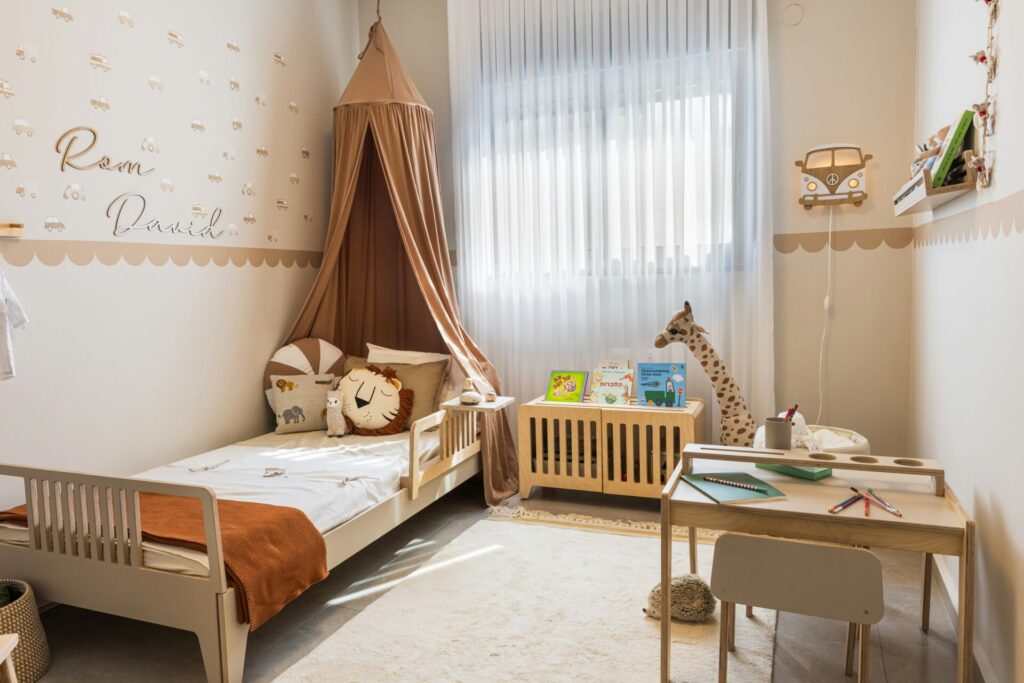
Let’s be honest—kids don’t like restrictions. At all. You put them in a crib, turn around for a second, and boom—they’re already plotting their escape like it’s a full-on mission from Mission: Impossible. And the funny part? They’re not being “difficult”—they’re just wired to explore, move, and figure things out on their own. That’s exactly why the Montessori approach feels so right to many modern parents. It doesn’t try to control the child 24/7—it gives them space (literally). A Montessori bed is one of those simple changes that can seriously upgrade your daily routine without overcomplicating anything. And once you try it, going back to a classic crib feels a bit like using a flip phone in the age of smartphones—technically possible, but why?
What is a Montessori bed?
So, what’s the actual difference? A Montessori bed is super low to the ground, sometimes almost floor-level, and fully open. No bars, no climbing challenges, no “waiting for adults” situation. Your kid can get in, get out, roll around, leave, come back—basically live their best tiny human life. Compared to a traditional crib, it’s like switching from “restricted mode” to “free roam.” It may sound a bit wild at first, but in reality, it creates a much more natural and relaxed environment for the child. The whole idea is simple: instead of limiting movement, you design the space so movement is safe.
Key Benefits of a Montessori bed
The biggest win here is independence—and not in a forced way, but in a “they just get it” kind of way. Kids start making small decisions on their own: when to lie down, when to get up, when they’re actually tired. No constant instructions needed. Safety is also a huge plus. Since the bed is low, there’s no dramatic falling situation, no stress in the middle of the night. Comfort? Way better. The space feels like theirs, not something controlled by adults. And over time, bedtime stops being a daily negotiation and turns into something much smoother. Less stress for you, fewer meltdowns for them—everyone wins. Plus, kids often feel more confident overall because they’re trusted with small choices every day.
Who is a Montessori Bed Suitable For?
This is perfect for toddlers and young kids who are already on the move—crawling, walking, exploring every corner like it’s their job. Usually, parents switch somewhere between 6 months and a year, but honestly, it depends on the child. If your kid is already trying to climb out of the crib like it’s a personal challenge… yeah, that’s your sign. A Montessori bed works especially well if you’re trying to raise a confident, independent child without constantly saying “no” to everything. It’s also a great option for parents who want to create a calmer, more predictable routine at home.
How to Choose a Montessori Bed
Don’t overthink it, but don’t go random either. First—materials. Solid wood is always the safest bet: strong, natural, no weird chemicals. Size matters too—you want something that fits your child now but won’t feel too small in a few months. Design-wise, you’ve got options: clean minimal frames, or those cute house-shaped beds that look straight out of Pinterest. Just remember—nice design is great, but stability and safety come first. Smooth edges, solid construction, non-toxic finishes—that’s your checklist. A good bed should feel reliable, not wobbly or overly complicated.
What to Consider Before Purchasing
Now let’s talk details, because this is where people often mess up. Always check the surface—no rough spots, no sharp edges. Look for certifications, because “looks safe” doesn’t always mean “is safe.” And don’t ignore the brand. A good manufacturer saves you from a lot of headaches later. That’s why many parents go for BusyWood—they keep things simple but high-quality, without cutting corners. You want something that lasts, not something you’ll regret after a few months. Also, think long-term: durability matters when kids use furniture активно every single day.
A Montessori bed isn’t just a trend—it’s one of those small changes that actually makes sense long-term. It gives your child more freedom, helps build independence, and makes everyday life a bit easier for everyone. No overcomplicated systems, no stress—just a smart setup that works. And honestly, anything that makes bedtime less chaotic is already a big win.