Gary Cripps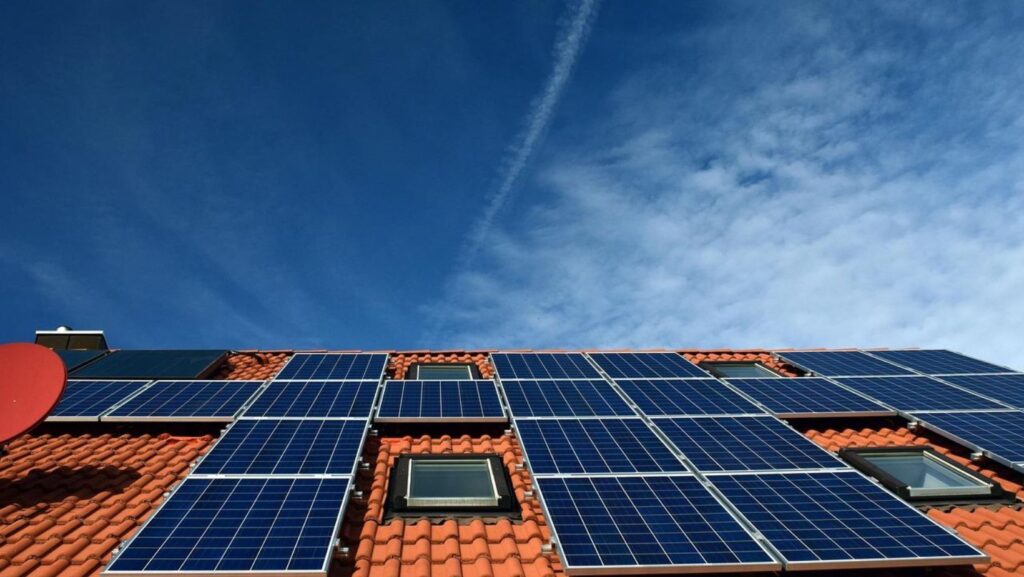
Proper insulation is the foundation of any energy-efficient home. Heat escapes through walls, roofs, and floors, so investing in quality insulation materials can slash your heating bills dramatically. Consider upgrading your loft insulation to at least 270mm thickness, and don’t forget about cavity wall insulation if your home was built between the 1930s and 1980s.
Floor insulation is often overlooked but can make a remarkable difference, especially in older properties with suspended timber floors. Even simple draught-proofing around windows and doors can reduce heat loss by up to 20%.
Windows and Doors: Your First Line of Defence
Your windows and doors are crucial barriers against energy loss. Double or triple-glazed windows with low-emissivity glass can reduce heat loss by up to 50% compared to single glazing. Look for windows with good Energy Performance Certificate ratings to ensure maximum efficiency.
When it comes to doors, composite doors are an excellent investment for energy efficiency. Unlike traditional wooden doors, composite doors feature multiple layers of insulating materials, creating an effective thermal barrier. They typically include a solid timber core surrounded by high-density foam and finished with weather-resistant materials. This construction makes them far superior to single-skin doors for preventing heat loss whilst offering enhanced security and durability. You can find a good selection at thehomedesigngroup.co.uk.
Heating System Upgrades
Your heating system is likely your biggest energy expense, so ensuring it runs efficiently is crucial. Modern condensing boilers are up to 90% efficient, compared to older models that may only achieve 60-70% efficiency. If your boiler is over 15 years old, replacement could save hundreds of pounds annually.
Smart thermostats and heating controls allow you to heat only the rooms you’re using when you need them. Programmable radiator valves give you precise control over individual rooms, preventing energy waste in unused spaces.
Lighting and Electrical Choices
Switching to LED lighting throughout your home can reduce lighting costs by up to 80%. LEDs last significantly longer than traditional bulbs, making them cost-effective despite higher initial prices. Consider installing dimmer switches and motion sensors to further reduce consumption.
Energy-efficient appliances marked with high energy ratings can substantially lower your electricity bills. When replacing white goods, choosing A+++ rated appliances might cost more upfront but will save money over their lifetime. In addition to making better design choices, remember to compare electricity plans and rates with a tool like Energy Savings.
Renewable Energy Solutions
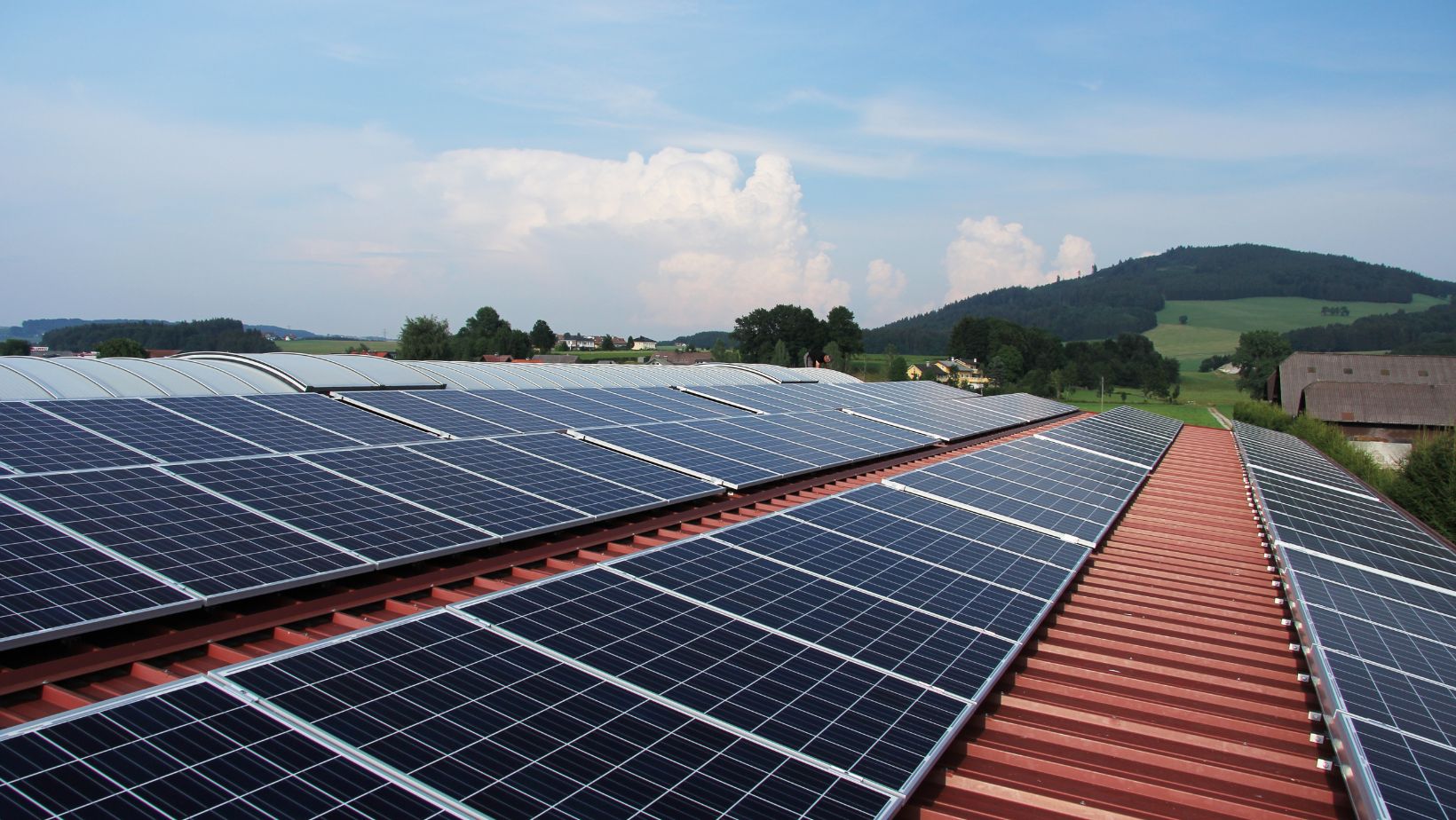
Solar panels have become increasingly affordable and can dramatically reduce electricity bills. Even modest installations can generate significant savings, and government schemes may offer financial incentives. Solar water heating systems are another option for reducing gas consumption.
The Long-Term View
Energy-efficient improvements require initial investment, but the long-term savings are substantial. Many upgrades also increase your property’s value whilst reducing your carbon footprint. Start with the most cost-effective improvements like insulation and draught-proofing, then gradually work towards larger investments like new windows, composite doors, and renewable energy systems.
Remember, every small change contributes to reduced energy consumption and lower bills, creating a more comfortable and sustainable home for years to come.