
 Avedyn Phytes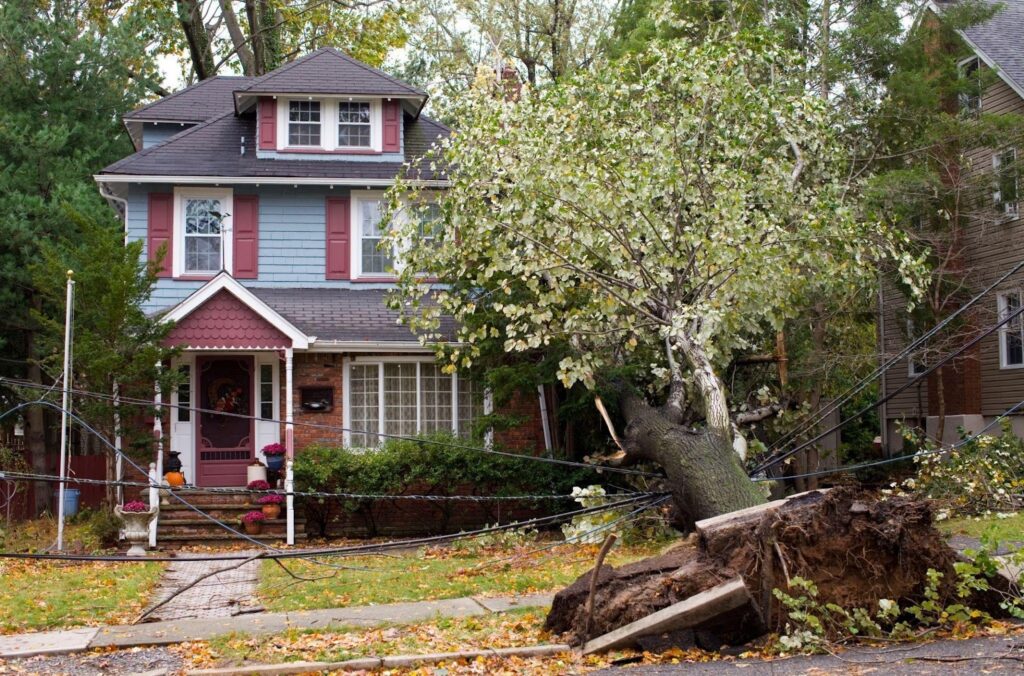
In Calgary, storms don’t ease in politely. They arrive with high winds, heavy rain, hail, and sudden temperature shifts that can wreak havoc on a home’s exterior in a matter of minutes. One moment, everything looks fine; the next, you’re dealing with broken windows, damaged siding, or water stains creeping across the ceiling.
Understanding the common types of storm damage to exteriors helps homeowners react faster, reduce repair costs, and avoid issues that quietly get worse after the storm passes. The earlier damage is identified, the easier it is to protect your home’s structure, energy efficiency, and long-term value.
Why Storm Damage Cleanup and Repair Shouldn’t Wait
After severe weather, many homeowners delay action — often because the damage doesn’t look dramatic from the ground. But storm damage cleanup and repair are time-sensitive. What starts as a minor issue can quickly turn into water infiltration, mold growth, or significant structural damage if left unaddressed.
Storm damage varies depending on wind speed, hail size, rainfall volume, and even the age of your home. That’s why a professional inspection is so important. Not all damage announces itself loudly; some problems develop quietly, behind siding or under roofing materials.
Wind Damage: The Silent Multiplier
High winds are one of the most underestimated threats to a home’s exterior. Even without hail, strong gusts can loosen materials, lift shingles, and drive debris into vulnerable areas.
Wind damage often shows up as:
- Missing or curled shingles that expose the roof deck.
- Damaged flashing around chimneys and vents.
- Shifted or cracked siding panels.
- Tree limbs or other objects impacting the roof or walls.
Left unaddressed, wind damage can lead to immediate leaks and long-term structural damage. A damaged roof may look minor at first, but once wind compromises the protective layers, water intrusion usually follows.
Hail Damage: Not Always Obvious, Always Serious
Hailstorms are a familiar threat in Southern Alberta. While dramatic hail damage is easy to spot, many forms of impact damage go unnoticed until months later.
Hail damage commonly affects:
- Asphalt shingles, causing granule loss.
- Vinyl siding or aluminum siding, leaving cracks or dents.
- Window frames and seals.
- Soft metals like flashing and vents.
Granule loss on shingles reduces UV protection, accelerating roof deterioration. Even when the roof isn’t leaking, hail damage can shorten its lifespan and compromise insurance coverage if not documented properly.
Water Damage: The Aftermath That Costs the Most
Heavy rain and heavy rainfall don’t just test your roof — they exploit weaknesses created by wind or hail. Once water finds a path in, it spreads quickly.
Signs of water damage include water stains, dark spots, bubbling paint, or damp insulation. Water infiltration often leads to mold growth, which impacts home safety and indoor air quality. Over time, moisture can erode framing and reduce structural integrity.
This is where professional assessment matters most. By the time water damage becomes visible indoors, the exterior damage has usually been present for some time.
Siding Damage: More Than a Cosmetic Issue
Siding protects your home from moisture, wind, and temperature extremes. Storm damage to siding isn’t just about appearance — it directly affects energy efficiency and moisture control.
Damaged siding may include:
- Cracked or warped vinyl siding.
- Loose panels caused by high winds.
- Impact damage from hail or flying debris.
- Gaps that allow water intrusion.
Even small areas of damaged siding can allow moisture behind the wall system, leading to hidden property damage that worsens over time.
Window and Door Damage: Vulnerable by Design
Windows and doors are designed to be strong — but storms test their limits. Broken windows are an obvious safety concern, but less visible damage is equally problematic.
Storm-related window damage can include seal failures, frame distortion, and micro-cracks that allow water infiltration and air leaks. These issues reduce energy efficiency and can affect personal property inside the home if water enters during future storms.
Exterior Warning Signs Homeowners Should Never Ignore
After a storm, property owners should inspect their home from a safe distance and look for:
- Missing or curled shingles.
- Damaged or loose siding panels.
- Broken windows or cracked glass.
- Water stains or dark spots indoors.
- Downed power lines (keep a safe distance).
- Tree limbs resting on the roof.
Avoid climbing onto the roof yourself. Professional inspections are safer and far more thorough.
Why Small Storm Damage Becomes Big Repair Bills
Minor issues often look harmless — until they aren’t. Water intrusion behind siding, slow leaks under shingles, or damaged flashing can quietly cause significant structural damage over time.
Once moisture enters wall cavities or roof systems, it can:
- Weaken framing.
- Cause mold growth.
- Damage insulation.
- Increase repair cost significantly.
Regular maintenance helps, but storms strike fast. Even well-maintained homes can suffer such damage during severe weather events.
Insurance Claims: What Homeowners Should Know
Storm damage often leads to insurance claims, but the claim process isn’t always straightforward. Most companies require clear documentation, timelines, and proof that the damage was storm-related.
After a storm:
- Document everything with photos and notes for insurance purposes.
- Arrange a professional inspection.
- Avoid permanent repairs until approved, aside from temporary repairs to protect the property.
- Communicate clearly with your insurance provider.
A reputable exterior contractor can help you understand what information your insurance company may request and how to present damage accurately.
Common Storm Damage Types and Their Risks
| Damage Type | Common Cause | Why It’s a Problem |
| Roof damage | High winds, hail | Leads to leaks and structural damage |
| Siding damage | Wind, impact | Allows water infiltration |
| Window damage | Debris, pressure | Reduces energy efficiency |
| Water damage | Heavy rain | Can cause mold growth |
| Flashing damage | Wind uplift | Creates hidden leak paths |
When to Call a Professional
If you suspect property damage, a professional inspection is the safest next step. Experienced contractors know where storm damage hides and how different materials fail under stress.
A professional assessment can identify minor issues before they escalate, helping homeowners avoid unnecessary cost and prolonged disruption.
Companies like Calgary Exterior Renovations specialize in evaluating storm-related damage across roofing, siding, windows, and the home’s exterior as a complete system. That systems-based approach often uncovers issues that piecemeal inspections miss.
Temporary Repairs vs. Permanent Fixes
Temporary repairs play an important role immediately after a storm. They protect the home from further damage while insurance claims are being reviewed. Permanent repairs, however, should be based on a full understanding of the damage caused.
Rushing into permanent repairs without proper documentation can complicate insurance claims or leave hidden damage unresolved.
Protecting Your Home Before the Next Storm
While storms can’t be prevented, proactive steps can reduce damage:
- Schedule regular maintenance inspections.
- Address minor issues before storm season.
- Upgrade vulnerable materials when renovating.
- Work with experienced exterior professionals.
Prepared homes recover faster — and cost less to repair.
Final Thoughts: Awareness Is Your Best Defence
Storms are part of life in Calgary. The difference between manageable repairs and major disruption often comes down to awareness and timing.
By understanding the common types of storm damage to exteriors and acting quickly when damage occurs homeowners can protect their property, control costs, and restore their home safely and efficiently.
When the next storm hits, knowing what to look for (and who to call) makes all the difference.

 Abbukkhar Kangharnnia






 Gary Cripps

