
 Abbukkhar Kangharnnia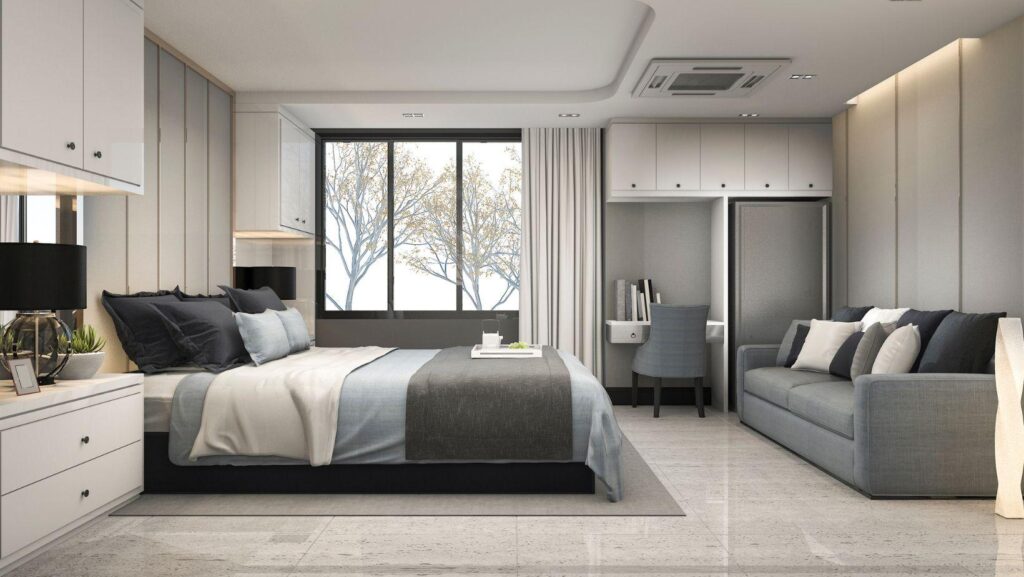
Your bedroom should support rest, comfort, and everyday routines. The right layout, colors, furniture, lighting, and storage choices help create a space that feels organized without losing personality. Whether you are designing a large master bedroom or a compact guest room, a few thoughtful changes can make a significant difference.
For broader home inspiration, EClife offers interior design ideas covering different rooms and decorating styles. Its bedroom collection includes more than 1,300 bedroom designs, with examples ranging from modern and minimalist interiors to luxury and natural styles.
1. Keep the Bedroom Simple and Modern
A modern bedroom works well when you focus on clean lines and practical furniture. Start with a comfortable bed, streamlined bedside tables, and a wardrobe that provides enough storage without overwhelming the room.
Neutral shades such as beige, white, gray, and soft brown create a calm base. You can then add interest through artwork, cushions, rugs, or textured bedding.
EClife’s bedroom collection includes modern minimalist examples where simple furniture, warm lighting, and neutral colors create a comfortable atmosphere.
2. Create a Warm Lighting Scheme
Bedroom lighting affects how the space feels at different times of day. Instead of relying on one ceiling fixture, combine several light sources.
Bedside lamps work well for reading. Wall lights save space on small nightstands. Concealed LED lighting around a headboard or ceiling detail adds a soft glow.
Choose warm-white bulbs for a relaxed evening environment. Keep stronger lighting available for cleaning, dressing, or other tasks.
3. Add Natural Wood for Warmth
Natural wood introduces warmth and texture without requiring elaborate decoration. A wooden bed frame, bedside table, flooring detail, or feature wall can make a bedroom feel more inviting.
Light wood works particularly well with white walls and soft fabrics. Darker wood creates a richer appearance and pairs well with cream, gray, or muted green.
EClife features bedroom examples using warm wood with simple furniture and natural daylight, including Japanese-inspired interiors.
4. Make Storage Part of the Design
Clutter quickly changes the appearance of a bedroom. Built-in wardrobes, under-bed drawers, bedside cabinets, and wall shelving help keep personal items organized.
For smaller rooms, use vertical storage instead of filling valuable floor space. A wardrobe that reaches close to the ceiling also makes better use of available wall space.
EClife’s bedroom inspiration includes storage-focused layouts where cabinets and shelving are integrated into the overall design rather than treated as separate additions.
5. Use Soft, Neutral Colors
Color plays an important role in creating a restful bedroom. Soft beige, cream, light gray, muted green, and pale blue are easy to combine with different furniture styles.
If you prefer stronger colors, use them as accents instead of covering every surface. A dark headboard, green cushions, patterned rug, or feature wall can add personality while keeping the room balanced.
EClife’s bedroom collection includes cream-style interiors designed around soft, warm color combinations.
6. Design a Comfortable Reading Corner
If your bedroom has enough floor space, add a small reading or relaxation area. A comfortable chair beside a window can create a useful private corner without changing the main sleeping area.
Add a small side table and a focused floor or wall lamp. Keep the furniture proportional to the room so the corner does not interfere with movement.
For compact bedrooms, a narrow chair or built-in window seat can provide the same function while taking up less space.
7. Explore Different Styles Before Decorating
There is no single approach to bedroom design. Modern interiors emphasize clean lines and practical layouts. Minimalist rooms focus on simplicity. Wabi-sabi designs use natural textures and understated materials. Luxury bedrooms often combine layered lighting, refined fabrics, and carefully selected finishes.
EClife’s bedroom design ideas collection makes it easier to compare different layouts, styles, and decorative approaches before choosing a direction for your own room.
The collection also includes individual examples such as minimalist bedrooms, luxury modern bedrooms, and natural-material designs.
Final Thoughts
A successful bedroom combines comfort with practical design. Start by measuring the room and planning the bed, wardrobe, and walking paths. Then choose a color palette, lighting arrangement, storage system, and decorative style that fits your routine.
You do not need a complete renovation to improve the room. Better lighting, organized storage, natural materials, and carefully selected textiles often create a noticeable change.
Browse different bedroom interiors before making major decisions. Real examples help you understand how furniture, colors, materials, and lighting work together, giving you a stronger starting point for creating a bedroom suited to your space and lifestyle.


 Dpzhuk Znnkberin

 Nophyn Tesil


 Gary Cripps
