
Why An In Wall Cistern Is Worth It: Save Space And Elevate Your Bathroom
 Avedyn Phytes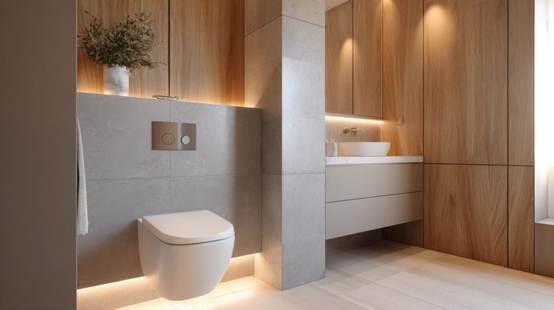
In most bathroom renovations, there comes a point where you realise that you’ve been thinking too small. You’ve taken a long time to agonise over tiles, spent weeks choosing tapware and then pondered whether a freestanding bath is a practical feature or just wishful thinking – and then someone suggests ditching the visible cistern altogether. At least in your imagination, all of a sudden, the whole room pops open — especially when paired with upgrades like custom glass shower doors that remove visual barriers and make the space feel larger.
That’s when most people begin to truly consider putting in concealed cistern systems. And once you realise that, the thought of a clunky porcelain tank just sitting naked on the wall is unfathomable.
The Case Isn’t Just Aesthetic
Well, also yes, it does make a more considered contribution to cleaner-looking bathrooms by removing the visible cistern. However, the advantages go beyond just good looks.
Bathroom floorspace is hard won in most Australian houses — especially the older ones. You are working with a small footprint, and every cm matters. The average close-coupled toilet and cistern combination can have a projection of six to eight hundred millimetres off the wall. If you go with a close-coupled pan with a concealed cistern, that can be dropped to 500mm or less, depending on the pan. In a 2.1 x 1.5m ensuite, that’s a huge difference.
This new floor space also affects the way you feel when you use the room. You can move more freely. Faster and less fiddly to clean: no awkward surfaces that need wiping around, no gap between the cistern and wall where grime collects. You know exactly what I mean if you’ve ever had to clean behind a regular toilet.
What’s REALLY Going On Inside the Wall
Inside the hollow space between walls, a hidden cistern is concealed by a metal or plastic wall frame, which attaches flush to the wall. A flushplate is mounted proud of the tiled surface and is bolted to the front of a frame that supports a wall-hung toilet pan. The front view of the design is pretty clean, with a lot of the operational bits hidden.
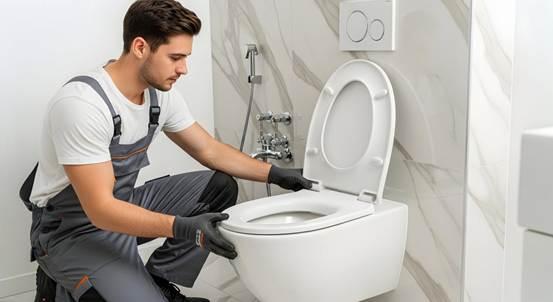
Maintenance access is something that people generally have a complaint about. It’s a fair question. This is why they built quality systems — the flush plate comes off and all but 1 or 2 components inside a cistern can be accessed without destroying walls. This includes talking with your plumber about servicing access before installation and working on a system that works to back up local trades, as previously mentioned.
The one thing you do need to be wary of is when your build or reno actually happens, so can the real installation. You can’t just brush it on as an afterthought, either, because tiling is done after your frame and plumbing rough-in. It just sort of works timing-wise if you are doing a complete bathroom renovation. In the case that you are taking a more targeted update, then you’d have to plan around that (sorry, it looks like two sentences, but I threw the first one into the second).
Where It Makes the Most Sense
You can use in wall toilets in normal bathrooms; they’re perfect for small ensuites, tight powder rooms, or anywhere you want to maximise light and space. Although in larger bathrooms they lend themselves to an air of greater curation, and a hotel-finish — the type of finish that looks intentional.
Wall-hung does, in fact, also make real mopping and floor cleaning much easier than you might expect from a wall-hung bathroom and everyday living with the bathroom is absolutely no problem either.
Worth Budgeting For
In-wall cistern systems are more expensive than a standard toilet suite — you have to purchase the frame, pan and flush plate separately, and engage additional labour to create a wall in order to set up an in-wall cistern. If you are doing a standard remodel setup, expect to spend much more than your average toilet. Is that cost justified — up to you, but for most people doing a proper bathroom reno, the spatial and aesthetic dividend is real.
Renovating — If you haven’t already, have an early conversation with your plumber or bathroom designer about in-wall toilets. It won’t work in every layout, but on the right project, an inwall cistern system is one of those upgrades that will pay itself back multiple times over at the liveability end of the market — and then some when it comes to how well the completed room performs.

 Abbukkhar Kangharnnia
 Dpzhuk Znnkberin


 Gary Cripps


