
 Avedyn Phytes
Gutters are one of silent protectors for your home. When installed correctly, they channel rainwater away from your roof, walls, and foundation. This protects your home from water damage. If gutters are improperly installed, a host of problems may need to be addressed in the future. Knowing the signs of a poor installation helps homeowners catch issues early.
Water Overflowing
One of the first signs that gutters weren’t installed correctly is water spilling over the edges or pooling in certain sections during rain. Gutters should have a slight angle that allows water to flow smoothly toward downspouts. If they are installed too flat, water will sit and eventually overflow, no matter how heavy the rain. On the other hand, too steep a pitch can cause water to rush too quickly and spill over the front edge rather than draining properly into the downspouts.
Overflowing water doesn’t just look messy. It can lead to soil erosion around your home, water seeping into basements or crawl spaces, and damage to landscaping that relies on even moisture levels.
Sagging or Uneven Gutters
Gutters should run in a straight, even line along your roof’s edge. If you notice sections that sag, dip, or bow, it’s a red flag that installation wasn’t done right or that support hardware isn’t sufficient. When hangers are spaced too far apart, or when the wrong type of fasteners are used, the gutter system can’t hold the weight of water and debris.
Sagging not only affects how water flows, it also stresses the gutter system and fascia boards, which can lead to detachment from the house and even roof edge damage.
Gutters Pulling Away from the House
If gutters are visibly separating from the fascia board or roofline, water can easily escape behind the system instead of being directed through downspouts.
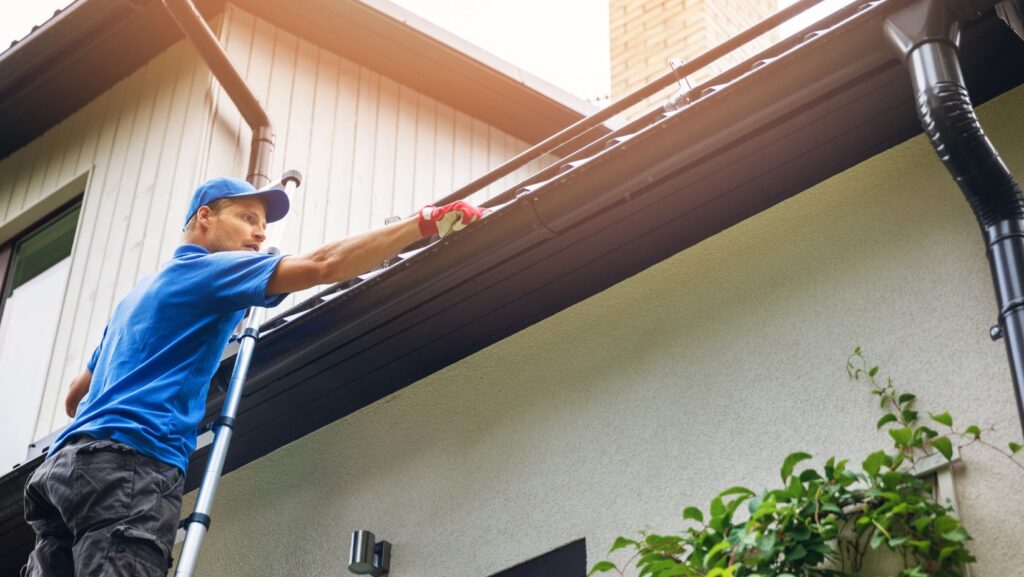
This issue often stems from poor fastening or improper placement of gutter brackets, and it allows moisture to infiltrate behind your gutters and damage siding, fascia, or roof components.
Frequent Clogs
Even when debris buildup is removed, improperly sized gutters can continue to clog or overflow. If your gutters were too small for your roof’s surface area or local rainfall volume, they may not handle heavy rain without overflowing regularly. This is a sign the original design and installation didn’t account for functional needs.
Pooling Water Near the Foundation
The whole purpose of a gutter system is to protect your home’s foundation by directing water away from the base of the house. If you notice puddles or wet soil near your foundation after rain, it may indicate that downspouts are not positioned correctly or that gutters aren’t diverting water far enough away. This is especially concerning because excess moisture near the foundation can lead to cracks, soil erosion, and basement leaks.
Why These Installation Issues Matter
Improper gutter installation might seem like a cosmetic or minor concern, but its consequences reach deeper. Water that isn’t properly managed can:
- Damage siding and exterior paint
- Cause wood rot in fascia and soffits
- Erode landscapes and wash away soil
- Lead to foundation problems and basement water intrusion
Addressing installation issues early protects your home’s structural health and prevents costly repairs later.

 Abbukkhar Kangharnnia





 Gary Cripps

