
Graphics Rendering: The Magic of Turning 3D Creation into a Tangible Reality
 Dpzhuk Znnkberin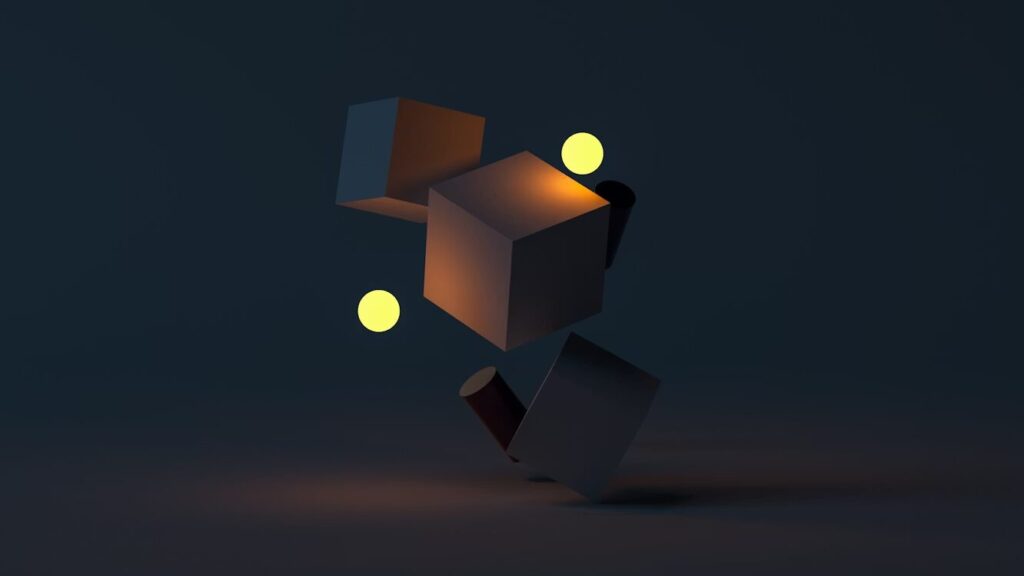
In a thriving world of modern technology, we encounter rendering results every day, without even thinking about it. Sci-fi movie scenes, realistic interiors of buildings yet to be built, and immersive video game worlds — all of this is made possible through computer-generated imagery and its staggering characteristics.
Today, collaborating with a scalable 3d rendering company is a logical step toward a seamless implementation of business bold ideas in practice. Let’s explore how 3D rendering is transforming the realm of graphics into an incredible new reality.
3D Rendering Explained
Rendering, or visualization, is the process of converting a three-dimensional model or scene into a two-dimensional image using tailored software.
Interestingly, the 3D image creation is equivalent to a digital photograph’s “development”. An artist or designer generates a dimensional model, adjusts lighting, textures, and materials, and launches the rendering process, bringing about a fantastic image.
To draw an analogy with the surrounding reality, rendering resembles the photographer’s works. There is no need to fiddle with a physical camera, light sources, or location since the 3D magic is unfolding in the virtual space.
Practice makes perfect, and this proverb may apply to 3D modeling. By fueling the client project with the power of 3D models, client will have no limits, recreating a well-known story.
How the Rendering Process Works
To add to your knowledge of rendering, let’s first highlight a few integral stages a 3D model goes through on its way to the final touch. This long-lasting process resembles a conveyor belt, where each step adds a fresh layer of elaboration.
Modeling
From the beginning, a 3D model is created as a draft. Usually, it consists of points (vertices) connected by lines (edges), which form polygons or faces. The more polygons a model has, the more elaborate it looks.
Depending on the task, diverse modeling approaches like polygon modeling, spline modeling, sculpting, and even procedural generation are used. For example, parametric modeling can be added to generate the shape for future architectural implementation.
Texturing
After working out the model’s geometry, texturing is the next step in the plan. For an inexperienced developer, it means working with materials and structures, while for a true expert, the big picture is important. Besides, texturing may include playing with the color scheme and transparency for better visual effects.
The choice of correct parameters plays a pivotal role in the final version. Even a flawlessly modeled object will appear unconvincing without proper material settings.
Lighting
Have you noticed how proper lighting can metamorphose how we interpret the situation? A quality product rendering incorporates a wide array of brightness parameters while harnessing advanced calculation tools.
In fact, appropriate lighting can compensate for the drawbacks of a ready-made 3D object, while insufficient illumination may lead to a bad impression and customer disappointment.
Camera Setup and Composition
After meticulously arranging the model, materials, and lighting, it’s mandatory to determine how the model is expected to be perceived by customers. To achieve an impactful effect, a virtual camera is configured based on the angle, focal length, depth of field, and other parameters.
The principles of 3D composition, perspective, and framing overlap with similar approaches in photography to a great extent. A well-crafted composition undeniably enhances the overall impression of the outcome.
Final Rendering
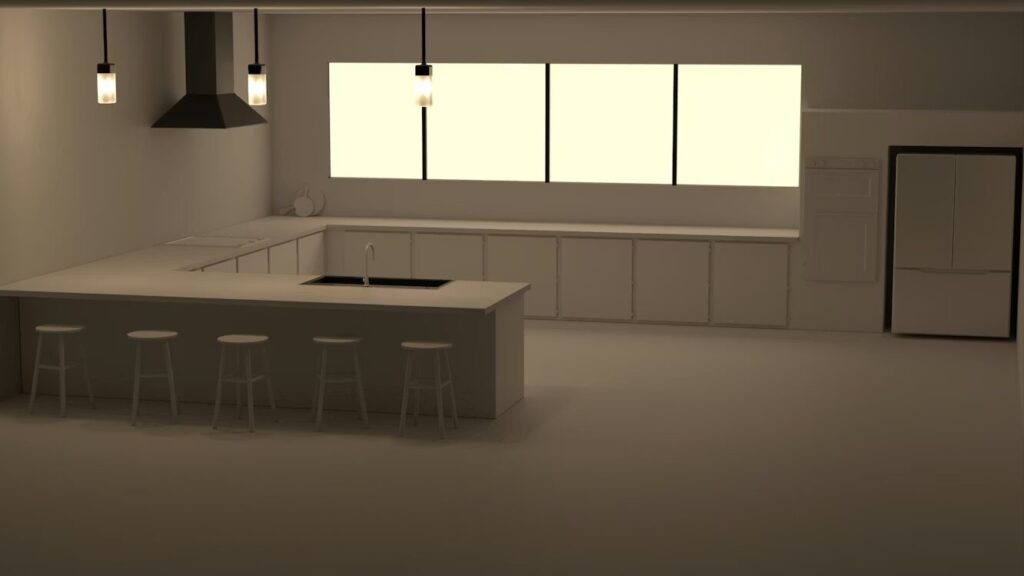
Once the preparatory stages are over, the concluding rendering process kicks in. All light sources emit rays, and it is calculated where the light will be refracted, reflected, or absorbed. In this way, the color of each pixel is calculated, and the final image is formed, referred to as rendering.
Post-Processing
This phase is associated with amendments from the client’s side. Probably, they are aiming for a calmer color scheme, or the reflections are too visible for a 3D model of a planned interior design.
Ultimately, this multi-stage process necessitates not only in-depth technical knowledge and skill, but also artistic vision. Therefore, a 3D artist should be a jack-of-all-trades, showcasing a perfect blend of tech-savviness and creativity.
Final Thoughts
3D Rendering, which once emerged as a priority tool for a limited circle of experts, has evolved into a robust technology for many industries, aimed at shifting perspectives and breaking old-school habits of graphics.
From architectural interiors to cinematography, from metaverses to medical simulations, it’s challenging to encounter an industry where 3D visualization tools aren’t employed. Today, three-dimensional modeling is smashing the boundaries between imagery and reality, allowing everyone to have a glance beyond our existence.
However, only hard skills and creativity can write a success story when it comes to using state-of-the-art software. As 3D technologies penetrate every sector, we can expect a further blurring between habitual and updated visual content. In the near future, hybrid formats will step forward, combining the best from both real and virtual worlds.


 Nophyn Tesil


