
 Avedyn Phytes
Speed Isn’t Strategy Without Funding to Match
Every real estate deal starts with a rush. Listings go live, agents call, offers fly in, and within hours it feels like the clock is ticking. But here’s where most people forget how things actually work. The offer is just the start. Until the financing is confirmed, the deal hasn’t moved—it’s only warmed up.
Buyers who treat financing like a background task often end up in trouble. Pre-approvals don’t mean much if the underwriter spots an issue a week before closing. Rate changes, credit shifts, appraisal gaps, and lender delays can all push timelines or kill momentum entirely. Fast financing doesn’t mean sloppy financing. It means walking in with your structure already planned—loan type, rate lock, reserves, and a lender who communicates like their job depends on it. In today’s market, where supply is tight and multiple offers are the norm, financing sets the tone. Cash buyers move quickly not just because they skip a bank, but because they’ve already cleared their risk. Good financing does the same thing, just with paperwork and patience.
And when things fall apart, the reason often traces back to something missed early on. Buyers get focused on aesthetics, forget to check crawl spaces, and then find themselves dealing with bigger issues. One of the most common regrets happens when someone found mold in house after purchase—something that could’ve changed everything if the lender or inspector flagged it sooner. Mold complicates lending, affects insurance, and delays approvals. If the financing team isn’t looped in early, what looks like a cosmetic fix can stall a closing indefinitely.
No matter how enthusiastic the buyer or flexible the seller, financing forces reality. It doesn’t care how much you love the kitchen tile. It cares about risk, documentation, and time.
Terms Matter More Than You Think
It’s easy to get distracted by the interest rate. Buyers are trained to chase the lowest number, but long-term performance depends more on structure than the headline rate. Fixed or adjustable? How long is the lock? Is there a balloon payment lurking in year five? Most people don’t ask these questions until they’re signing documents they barely skim.
The best investors—and the savviest buyers—ask about terms before they even make the offer. They work backwards from the funding to shape the deal itself. If a lender needs 45 days, they negotiate a longer closing. If the down payment eats up too much cash, they hold back on repairs and negotiate credits instead.
And they build buffer into everything. Deals rarely move in a straight line. Appraisals come in low. Title reviews take longer. Flood zones shift. Good financing allows for adjustment without blowing everything up. That flexibility often makes the difference between closing a deal and walking away frustrated.
Terms also affect the relationship between buyer and seller. A well-structured loan signals preparation. It reassures everyone at the table that the deal won’t collapse three days before funding. In markets where sellers hold the power, that trust becomes leverage.
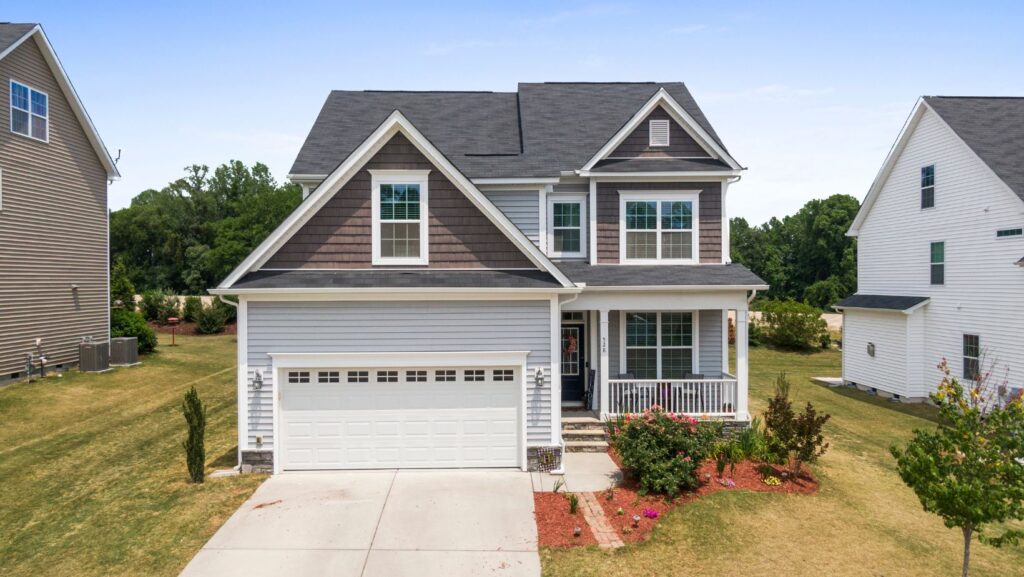
Financing Isn’t Just Paperwork. It’s Strategy.
Too often, financing gets treated like a formality—something you “just get through” to reach closing. But good financing doesn’t happen by accident. It’s designed. Structured to match the property, the buyer’s risk tolerance, and the market conditions at play.
That structure matters most in uncertain times. And right now, uncertainty is baked into nearly every real estate deal. Interest rates are unpredictable. Inflation pressures are shifting demand. Remote work continues to blur the lines between residential and commercial value. In the middle of all that noise, financing becomes the anchor. The thing that decides if a deal moves forward, stalls out, or turns into something worse.
Savvy buyers use financing to their advantage. They get clear on their numbers before falling in love with a property. They update their pre-approvals often. They talk to underwriters early. They build reserves not because it’s required—but because surprises are guaranteed.
They also stay flexible. The same loan structure that worked six months ago may not make sense today. The lender that moved quickly last year might be backlogged now. And terms that felt safe last week might feel risky if the job market shifts. The key is treating financing not as a box to check, but as an active part of the deal—one that needs as much attention as the property itself.
The Slowest Piece Sets the Pace
In real estate, deals rarely collapse because of one big mistake. They unravel from a thousand small oversights—most of them tied to funding. Missed deadlines. Incomplete paperwork. Lender miscommunication. The financing process has more moving parts than most buyers realize, and each one controls the deal’s momentum.
Walters Property – Lincoln estate agents, lenders, title reps, buyers—everyone needs to stay in sync. Delays from one side cause pressure on the other. Appraisal issues lead to renegotiations. Insurance hiccups hold up final approvals. A slow-moving escrow can choke a deal even when every other piece lines up perfectly.
Treat financing as the foundation, not the afterthought. Build your timeline around it. Let it guide your offer. Use it to understand what’s possible—and what’s not. And stay alert to how fast or slow your lender actually moves when pressure hits.
In the end, financing shapes more than just your payment. It sets the pace. It defines the tone. And it often decides who ends up holding the keys. Every real estate story has its high points—finding the place, getting the offer accepted, walking through your future. But the part that determines whether the story ends well? That part runs straight through the financing office. Every time.

 Dpzhuk Znnkberin


 Gary Cripps


