Gary Cripps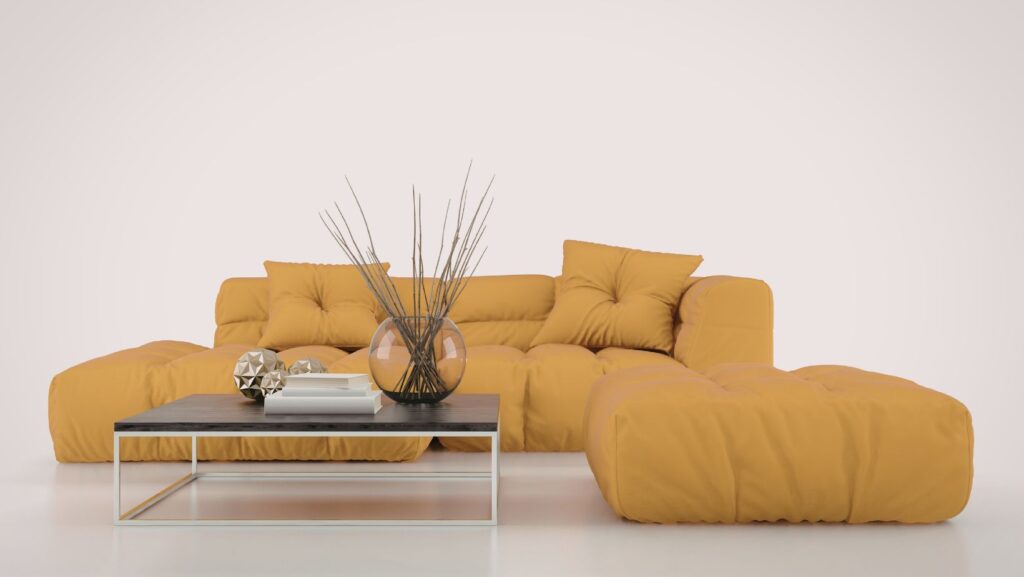
If you’ve ever tried maneuvering a traditional sofa up a narrow stairwell while questioning all your life choices, you get it. Moving furniture is genuinely one of the worst parts of relocating—right up there with changing your address on 47 different accounts and trying to remember which box has the toilet paper. And if you’re someone who moves every year or two, whether for work, school, or just because you can’t commit to a neighborhood, that furniture struggle becomes a recurring nightmare.
Enter modular sectionals—basically the furniture equivalent of having your cake and eating it too. They break apart into manageable pieces, adapt to whatever weird floor plan your next place throws at you, and don’t require hiring professional movers or bribing friends with pizza. When you’re furniture shopping as a renter or someone who relocates frequently, checking out modular sectionals at https://www.thebrick.com/collections/furniture-living-room-sectionals-modular-sectionals shows you pieces designed specifically for flexibility and easy reconfiguration. And thinking about how your modular sectional fits with other living room furniture pieces—not just in your current space but potential future ones—becomes way easier when you explore complete living room collections at https://www.thebrick.com/collections/furniture-living-room.
Let’s break down exactly why modular sectionals are basically made for the renter lifestyle.
They Actually Fit Through Doorways and Stairwells
This might sound obvious, but it’s genuinely the biggest advantage. Traditional sectionals are massive, one-piece monsters that barely squeeze through standard doorways—if they fit at all. How many times have you seen someone on moving day tilting a sofa at increasingly desperate angles, only to realize it’s physically impossible to get it around that corner?
Modular sectionals sidestep this entire headache because each piece moves independently. You’re carrying armless chairs, corner pieces, and ottomans that weigh maybe 50-80 pounds each instead of wrestling a 300-pound behemoth. Narrow apartment hallways? No problem. Third-floor walkup with a tight stairwell? Annoying but doable. Tiny elevator that barely fits two people? You can make multiple trips without needing a degree in spatial physics. This alone makes modular sectionals worth considering if you move more than once every five years.
You Can Reconfigure for Completely Different Spaces
Here’s the reality of renting: your next apartment will have a totally different layout than your current one. That L-shaped sectional that fits perfectly in your spacious corner living room? Completely wrong for the narrow rectangular space you’re moving into next year.
With modular sectionals, you’re not locked into one configuration. Break it apart and rebuild it as a straight sofa for narrow rooms, an L-shape for corner placement, or even a U-shape if you luck into a larger space. Some pieces work as standalone loveseats if you’re downsizing to a studio. This adaptability means your furniture investment travels with you through different life stages and living situations instead of becoming obsolete every time your floor plan changes. No more selling perfectly good furniture at a loss because it doesn’t fit your new place.
Individual Pieces Are Easier to Transport Yourself
Professional movers are expensive—often several hundred dollars for local moves, potentially thousands for long-distance relocations. If you’re moving frequently, those costs add up fast and eat into your budget. Modular sectionals let you DIY your move with way less stress.
Each module is light enough that one or two people can carry it without injury or requiring special equipment. You can fit multiple pieces in a standard rental truck or even make several trips with a larger SUV if you’re moving locally. Compare that to traditional sectionals that basically require professional help or at minimum, recruiting four strong friends and buying enough beer and pizza to justify asking for that kind of favor. For renters who move every 12-18 months, being able to handle furniture transport yourself or with minimal help saves serious money over time.
They Protect Your Damage Deposit
Let’s talk about something nobody mentions enough—furniture damage to rental properties. Bulky sectionals scrape walls, gouge doorframes, and leave dents in narrow hallways when you’re trying to force them through spaces they weren’t meant to navigate. And guess who’s paying for those repairs when you move out? Your damage deposit, that’s who.
Smaller modular pieces maneuver through tight spaces with way less wall contact and impact. You’re not ramming a massive sofa corner into the hallway wall because you miscalculated the turning radius. Individual modules move cleanly without the desperate angling and shoving that causes most moving-related property damage. This protection of your damage deposit might not seem huge, but when you’re renting and that $500-1000 deposit matters, avoiding preventable damage becomes genuinely valuable.
You Can Add or Remove Pieces Based on Space and Budget
Life changes, and so do your furniture needs. Maybe you’re currently in a spacious two-bedroom but next year you’re downsizing to save money. Or perhaps you’re in a small apartment now but planning to upgrade once you can afford it.
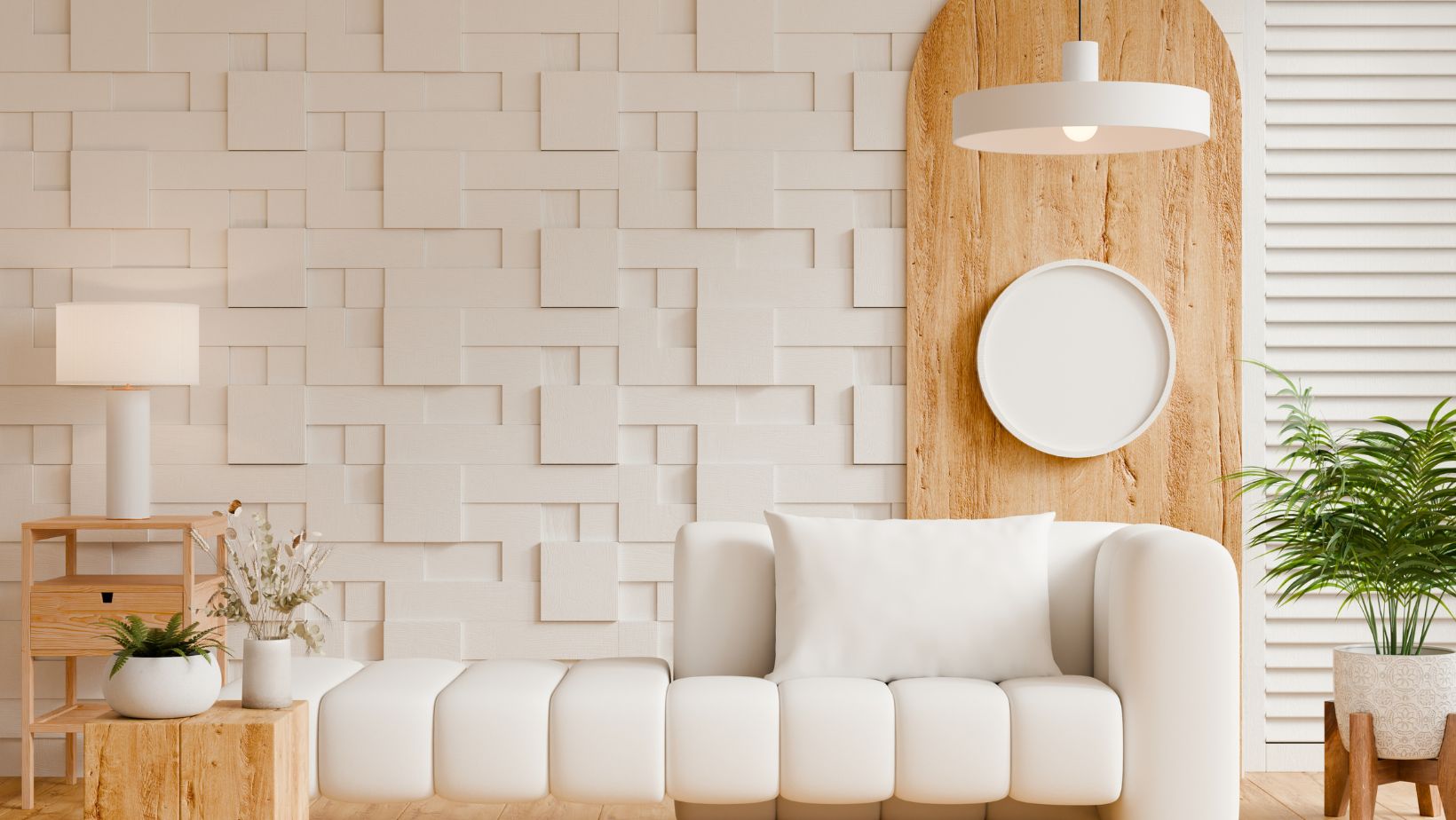
Modular sectionals scale with your life because you can literally add or subtract pieces. Start with a basic three-piece configuration in your studio, then buy additional modules when you move somewhere larger. Conversely, remove sections if you’re downsizing and either sell them or store them until you need them again. This flexibility is especially valuable for renters whose living situations fluctuate more than homeowners’. You’re not committed to furniture that only works in one specific scenario—your sectional evolves alongside your circumstances.
They Make Frequent Redesigning Actually Possible
Okay, some of us get bored with our space and like switching things up. When you’re locked into a traditional sectional, your layout options are basically “against this wall” or “against that wall.” Not exactly inspiring.
Modular pieces let you reconfigure your living room on a Saturday afternoon because you feel like it. Want to try floating the sectional in the center of the room? Break it down and rebuild it there. Hosting a party and need more open floor space? Separate the modules and push them to the perimeter. This ability to constantly adapt your layout without buying new furniture keeps your space feeling fresh and lets you optimize for different activities—movie nights, game nights, work-from-home setups, whatever. For renters who can’t make permanent changes like painting or installing fixtures, movable furniture becomes one of the few ways to genuinely personalize your space.
They’re a Smart Long-Term Investment Despite Rental Life
Here’s the thing people don’t always consider—just because you rent doesn’t mean you should buy disposable furniture. Cheap sofas that fall apart after two moves aren’t actually saving you money; you’re just spending less per purchase while buying more frequently.
Quality modular sectionals are built to last through multiple moves and reconfigurations. The ability to replace individual damaged modules instead of the entire sectional extends the furniture’s lifespan significantly. If one piece gets stained or worn, you swap out that section rather than trashing the whole thing. This modular replacement approach means your initial investment in a good-quality sectional can serve you through years of moves, different apartments, and various life stages. Even if you eventually buy a house, your modular sectional adapts to that permanent space too—you’re not stuck with “renter furniture” that suddenly looks wrong in your owned home.
Making the Move-Friendly Choice
Obviously not everyone needs this level of furniture flexibility. If you’ve lived in the same place for five years and don’t plan to move anytime soon, a traditional sectional might serve you just fine. But if you’re early in your career, not tied to a specific city, or just generally unsure where life’s taking you next, investing in modular sectionals removes one massive source of moving stress.
Think about your next three years—how many times might you relocate? What kind of spaces might you live in? If the answer involves any uncertainty about location, apartment size, or life circumstances, modular sectionals provide insurance against furniture becoming obsolete or impossible to move. They’re not just about convenience; they’re about making smart choices that adapt to reality rather than hoping your circumstances conveniently match your furniture.
FAQs
Are modular sectionals more expensive than regular sectionals?
Sometimes initially, but they often provide better long-term value. You can replace individual pieces instead of the entire sectional, add modules gradually as your budget allows, and use them through multiple moves without replacement. That flexibility typically outweighs any upfront cost difference.
How hard is it to assemble and disassemble modular sectionals?
Most modular sectionals connect with simple clips, brackets, or connectors that require no tools or minimal tools like an Allen wrench. Assembly usually takes 15-30 minutes, and breaking them down is even faster. It’s designed for frequent reconfiguration, not permanent installation.
Will modular sectionals look mismatched or cheap?
Not if you buy quality pieces. Good modular sectionals have uniform upholstery, consistent cushioning, and solid connections that make them look like cohesive furniture, not random pieces shoved together. The modularity is functional, not visible.
Can you transport modular sectionals in a regular car?
Depends on the car and module size, but many pieces fit in SUVs, minivans, or hatchbacks with seats folded down. You might need multiple trips, but it’s often doable without renting a truck, especially for local moves.
Do modular sectionals work in small apartments?
Absolutely—they’re actually ideal for small spaces. You can configure them to fit tight corners, remove pieces if the full sectional overwhelms the room, and reconfigure as needed. That flexibility makes them better for small apartments than fixed-size traditional sofas.